

Flexible liquid packaging with aluminum foil and multilayer film options, customized bag formats and coordinated carton designs for different filling and storage requirements.

Watch how beverages are dispensed directly from a Bag-in-Box package through its built-in dispensing tap. The simple dispensing process makes it easy to pour liquids into cups for serving, demonstrating the convenience of Bag-in-Box packaging for multi-serve beverage applications.
Take a closer look at our foil bag manufacturing operations. This factory video shows foil bags moving through our production equipment, offering a glimpse of one stage of the manufacturing process. At ProGreenPack, we provide customized foil bag packaging with flexible options for bag sizes, material structures, and printed designs to meet your specific packaging requirements.
ProGreenPack bag-in-box packaging combines a flexible inner bag with an outer carton to provide a practical solution for liquid storage, transportation and dispensing. Available material options include VMPET/NY/PE/PE, PET/PA and aluminum foil laminates, selected according to product and filling requirements. The 3L and 5L formats serve applications such as coffee, milk, beer, wine and fruit juice. From high-temperature-resistant coffee packaging to customized printed cartons, each configuration brings material selection and packaging design together.
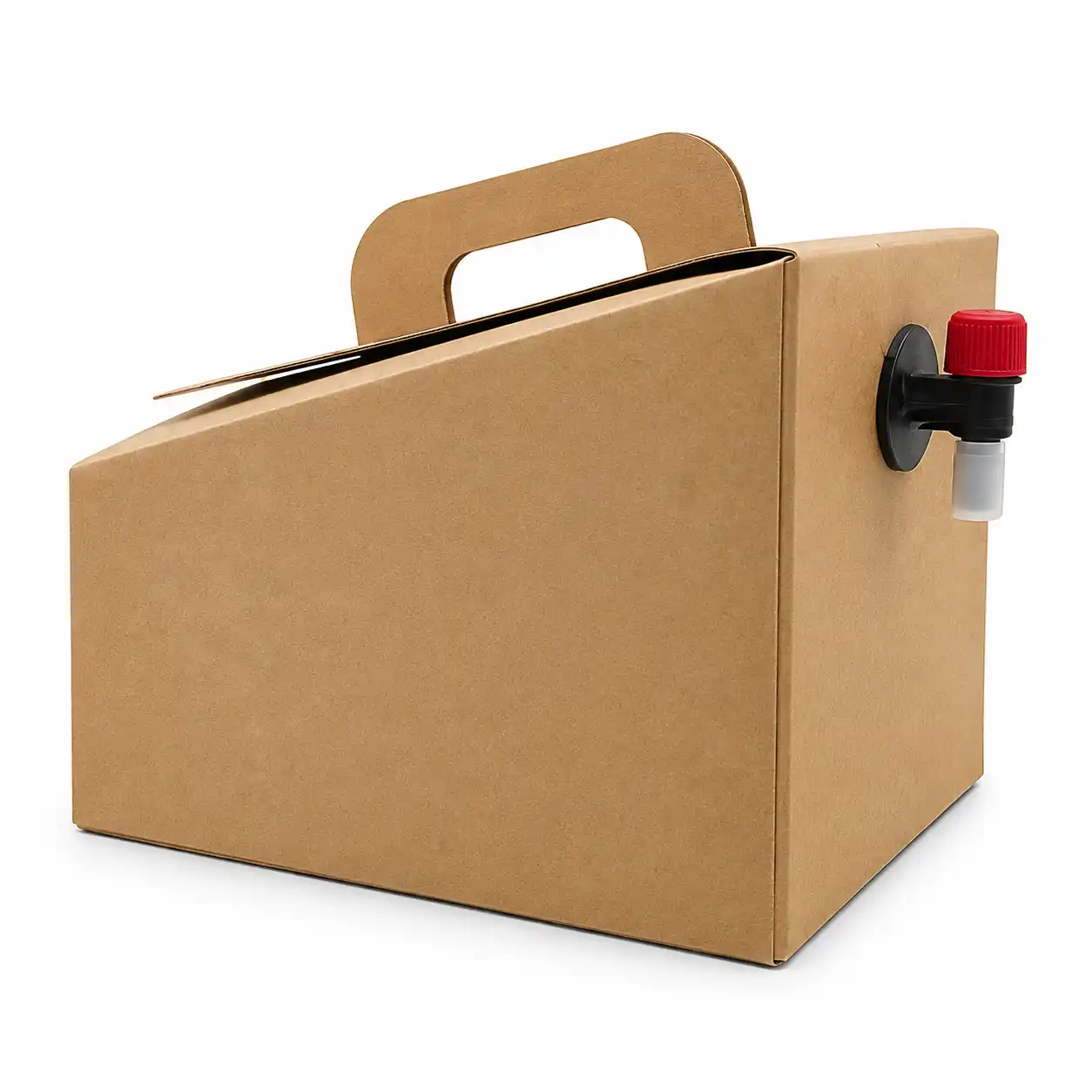
A compact multi-serve format for coffee, wine, juice and other liquid products, with flexible inner-bag and carton configurations.

A larger-volume format for foodservice, beverage supply and bulk liquid handling, combining flexible storage with convenient dispensing.
Designed around material performance and practical packaging requirements, ProGreenPack bag-in-box packaging combines flexible multilayer films, functional dispensing components and customized carton structures.

VMPET, PET/PA and aluminum foil laminate options provide different barrier and mechanical properties to protect liquid products.
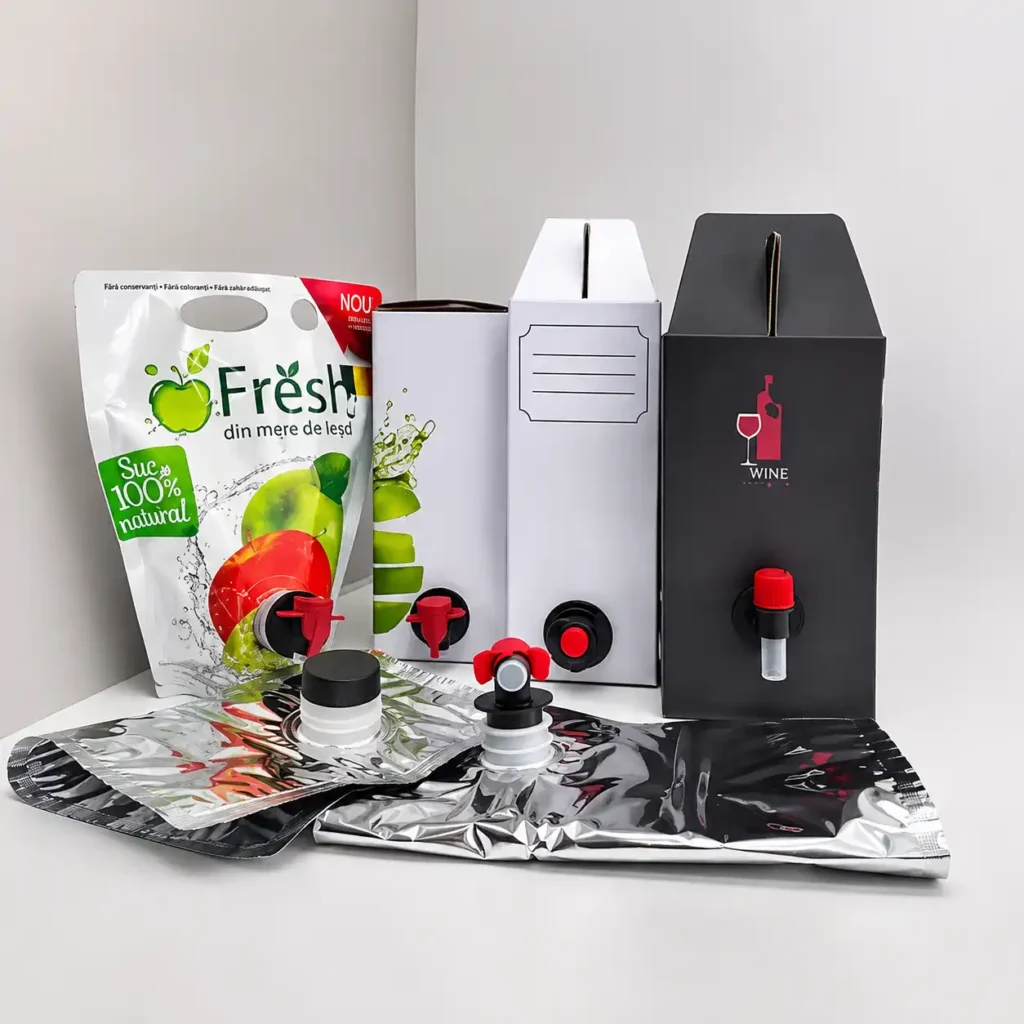
Metallized and aluminum foil layers offer light and gas barrier options, helping protect products sensitive to light and oxygen.

Selected heat-resistant film structures support hot filling up to 85°C, with material options matched to filling conditions.

Customized bag dimensions, printed cartons and foldable handheld structures bring packaging functionality and brand presentation together.
The inner film determines how your bag-in-box packaging protects its contents. ProGreenPack offers material options including VMPET/NY/PE/PE, PET/PA and aluminum foil laminates. Metallized and foil layers provide different light and gas barrier properties, while nylon layers contribute mechanical strength and PE layers provide heat-sealing functionality in suitable structures. The right combination depends on oxygen sensitivity, product composition, filling temperature and required storage conditions, rather than capacity alone.


Coffee packaging needs more than a liquid-resistant inner bag. For selected hot-fill applications, ProGreenPack offers high-temperature-resistant material options and coordinates the bag format with the outer carton. Our 96 oz foldable handheld coffee packaging can incorporate a portable box design, cup-holder configuration and custom printing. Aligning the inner-bag dimensions, filling opening and carton layout helps create a package that is easier to carry, store and serve.


ProGreenPack’s production base includes 8 dedicated workshops and more than 50 production machines, including high-speed bag-making and box-making equipment, supported by 8-color flexographic printing. For Bag-in-Box orders, our bag-making equipment processes selected barrier films such as VMPET/NY/PE/PE, PET/PA and aluminum foil into inner bags, while box-making equipment produces matching outer cartons. We coordinate film structures, bag dimensions and carton layouts for 3L and 5L formats, helping reduce poor fit and excess movement during handling. Multi-color printing keeps brand graphics and product information clear across different packaging designs.
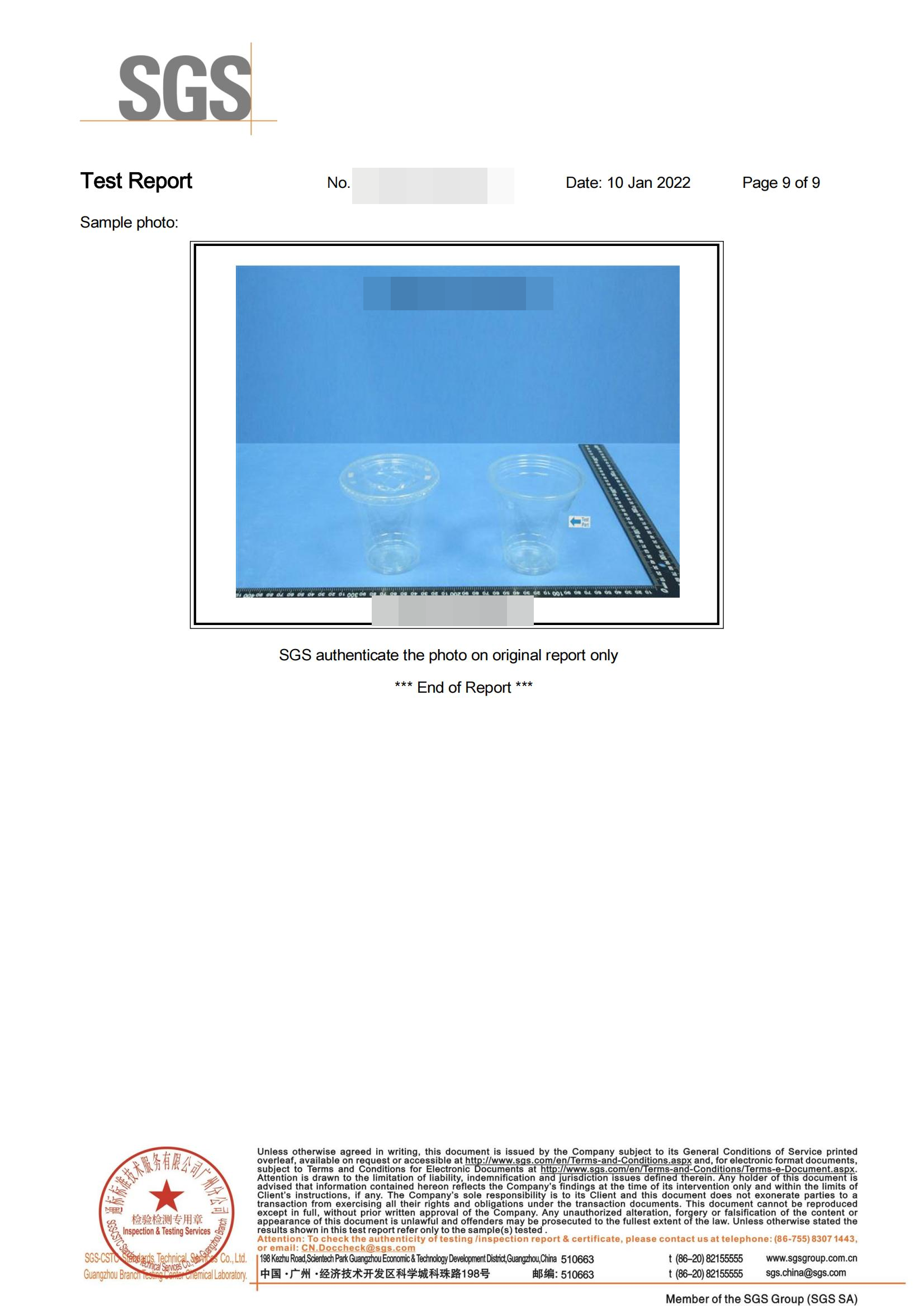
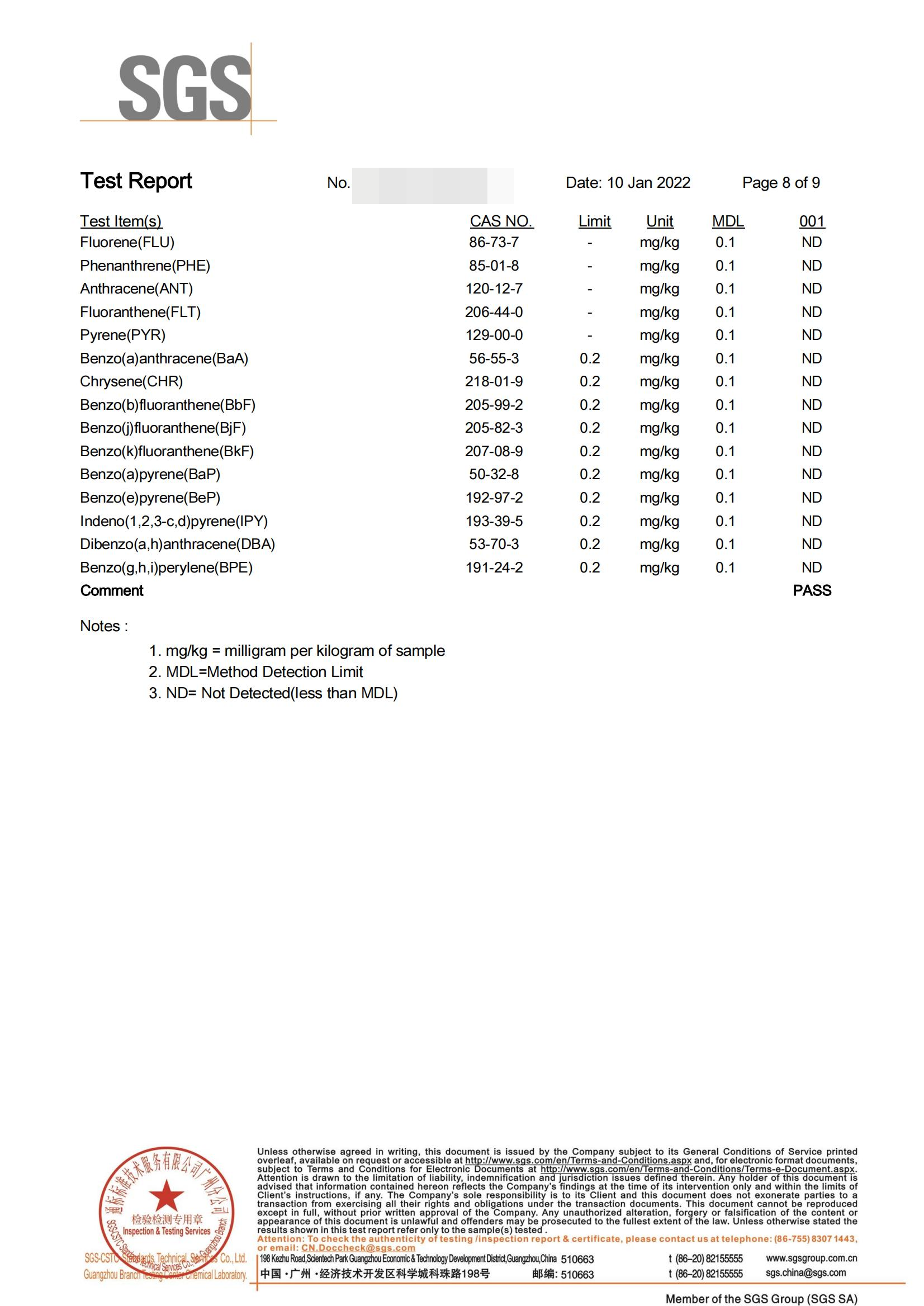
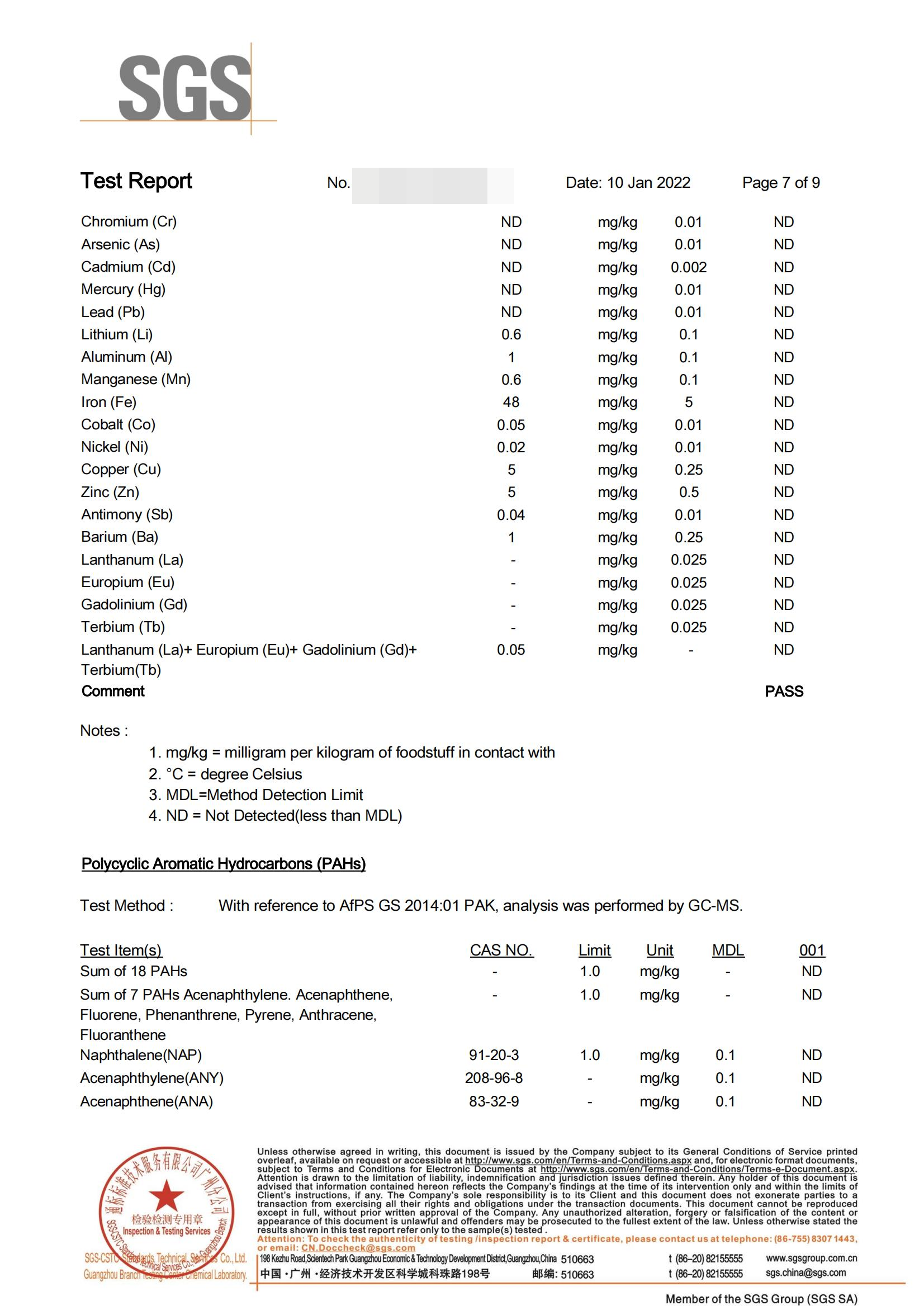
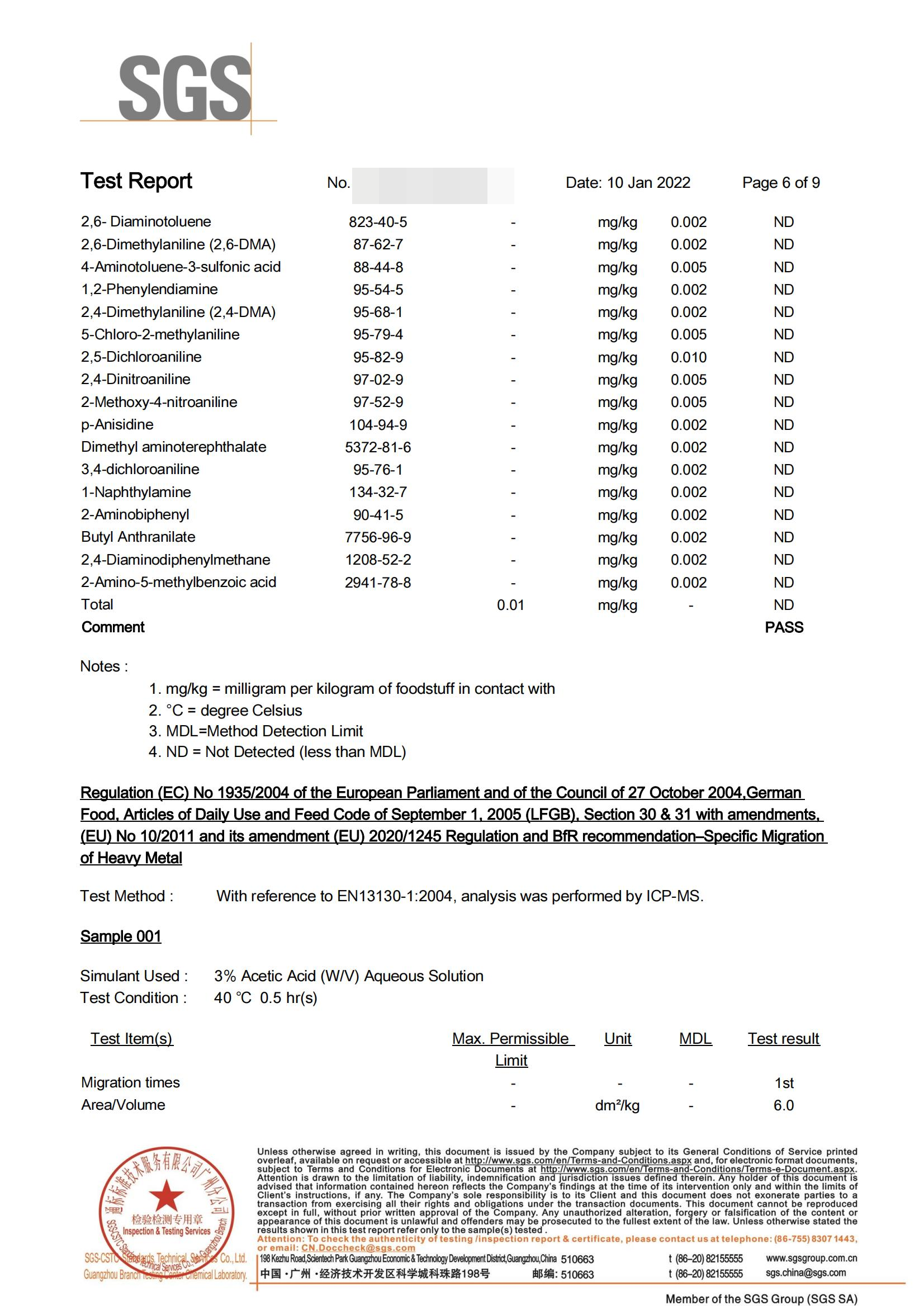
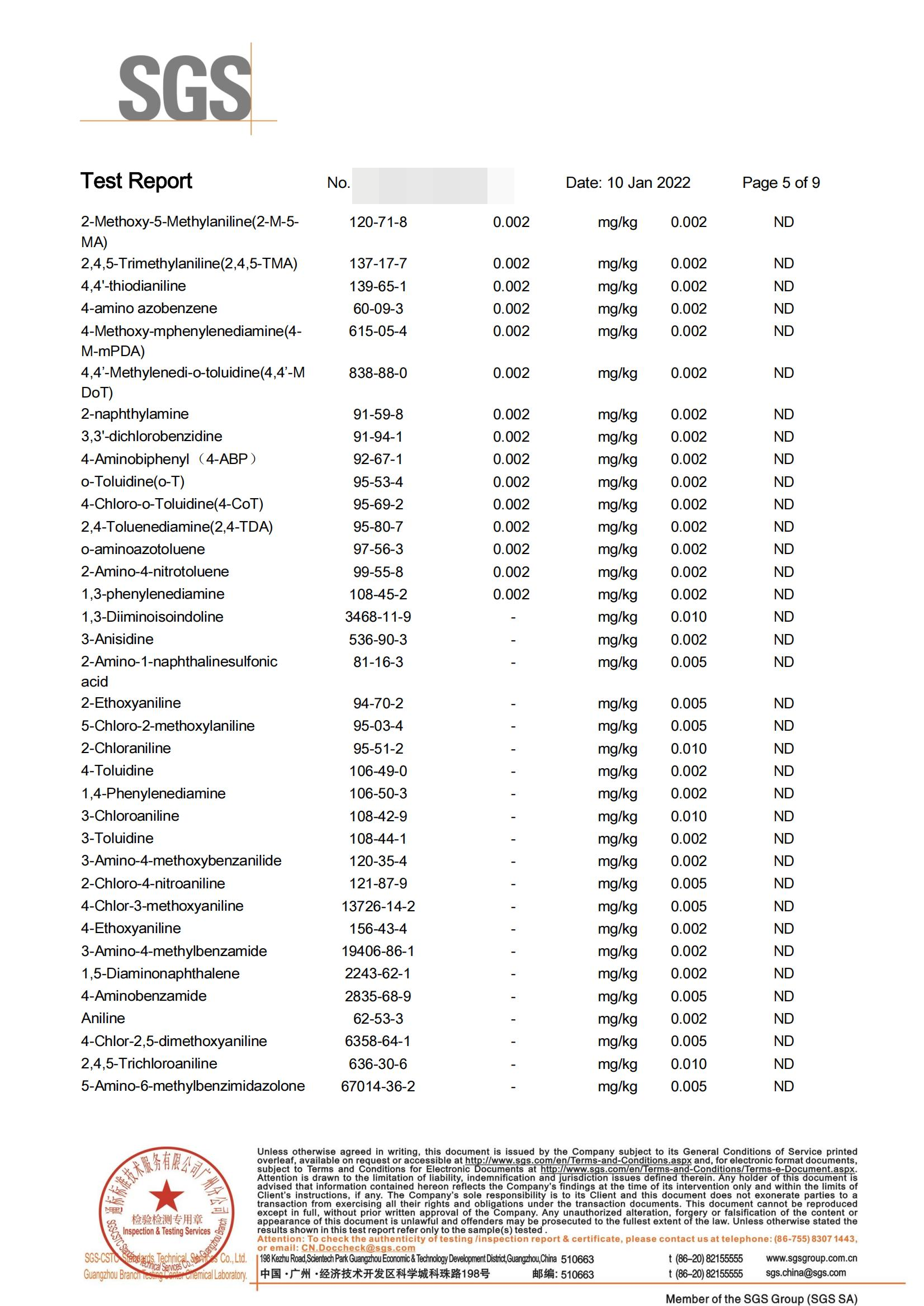
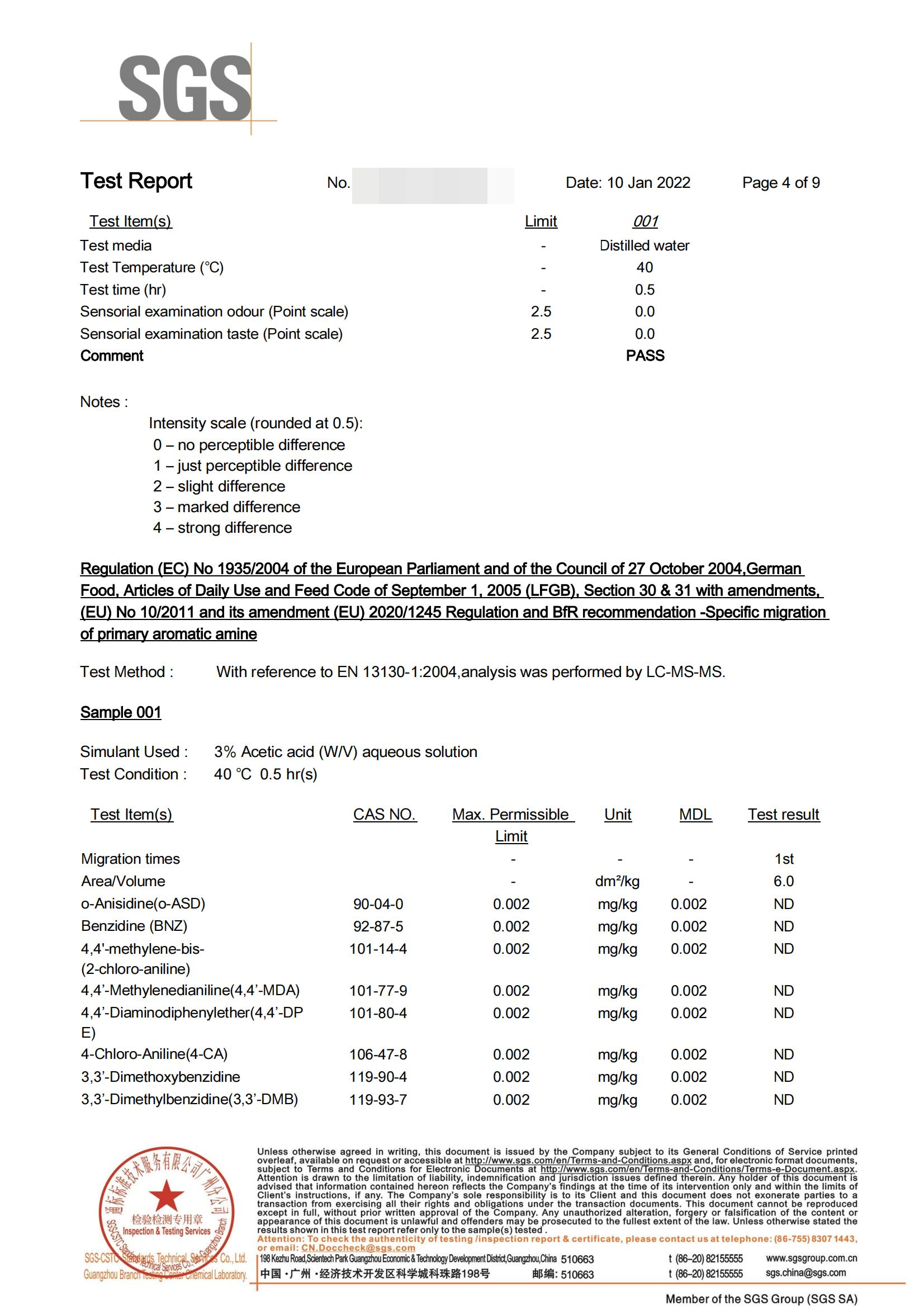
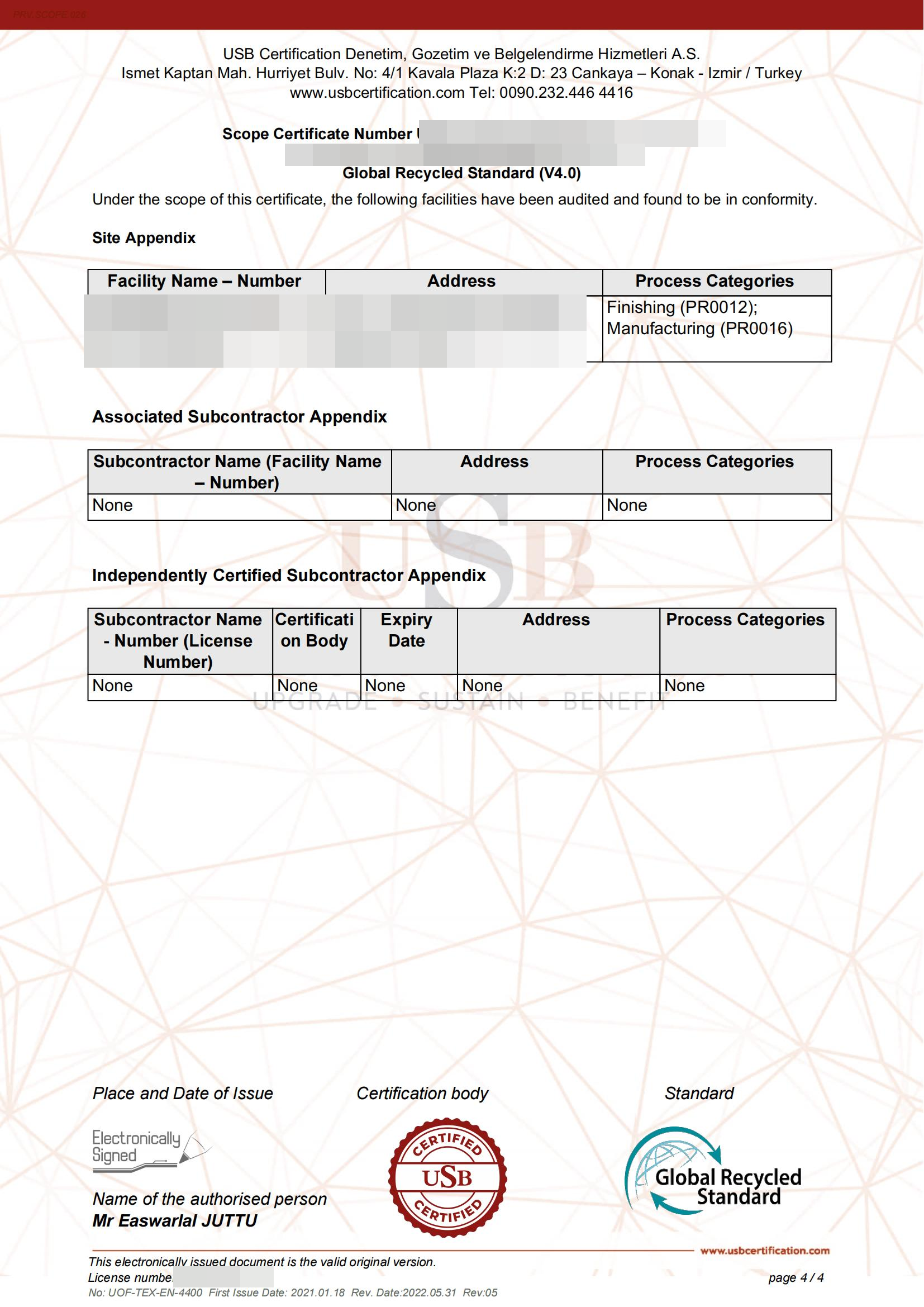
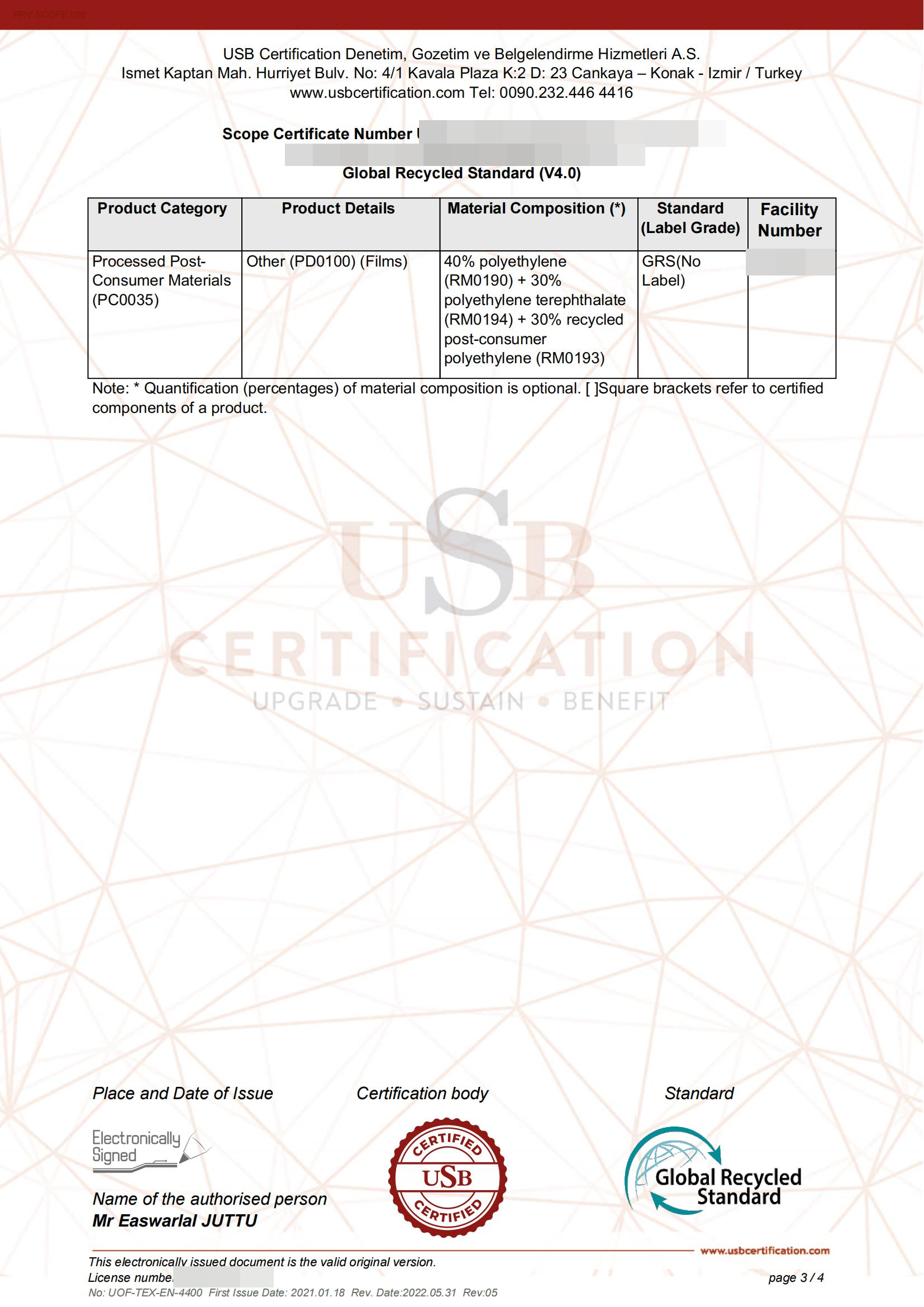
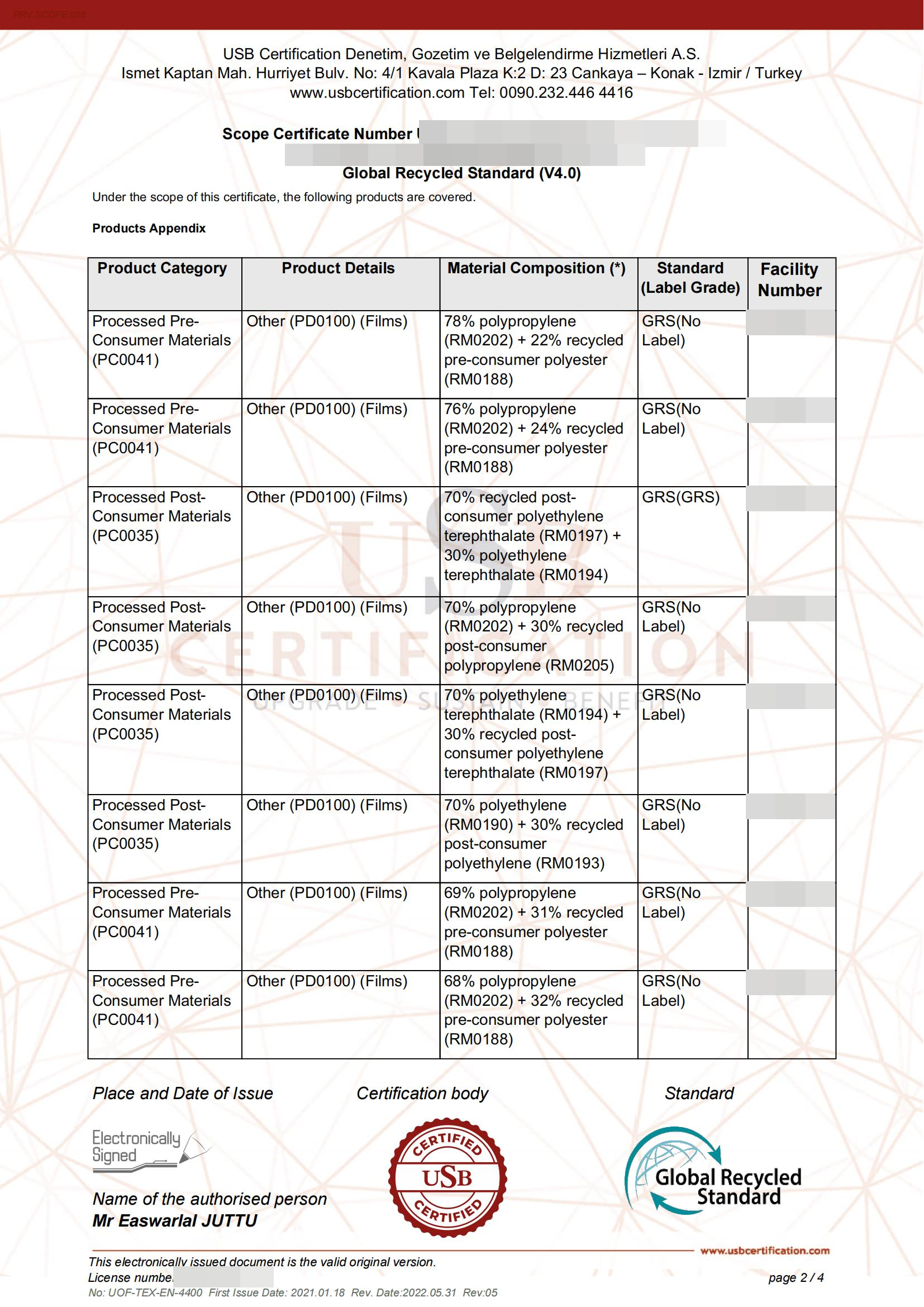
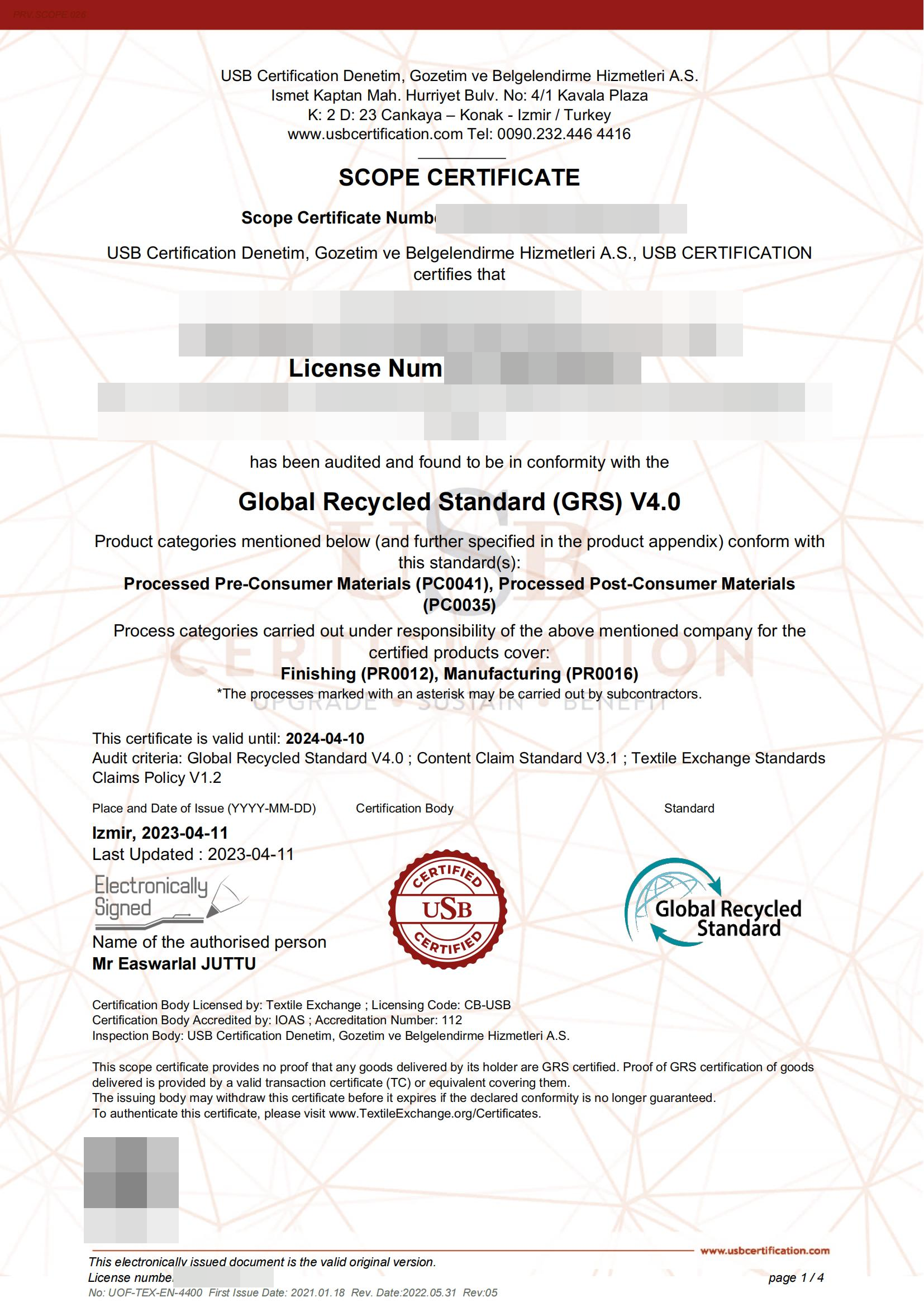
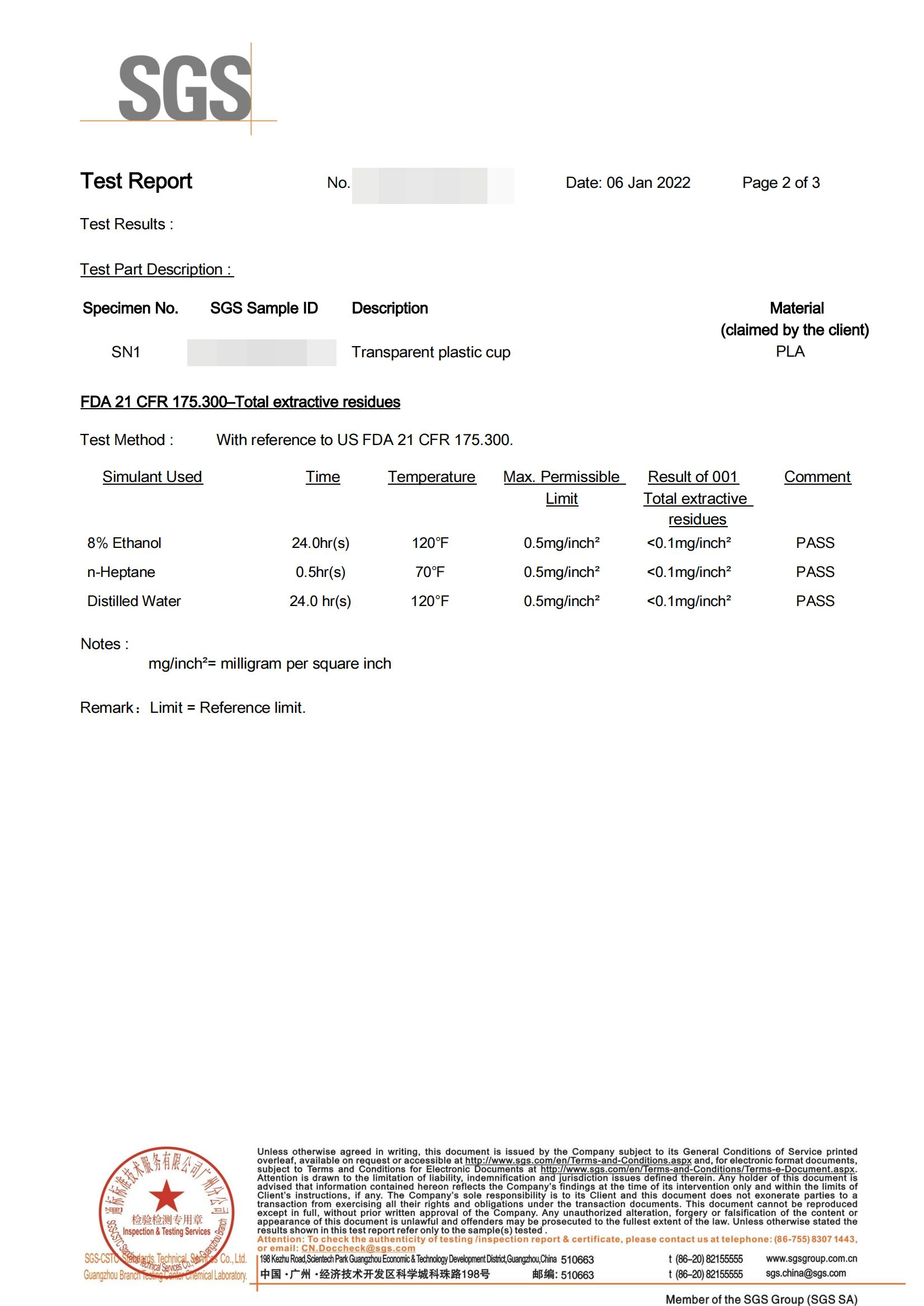
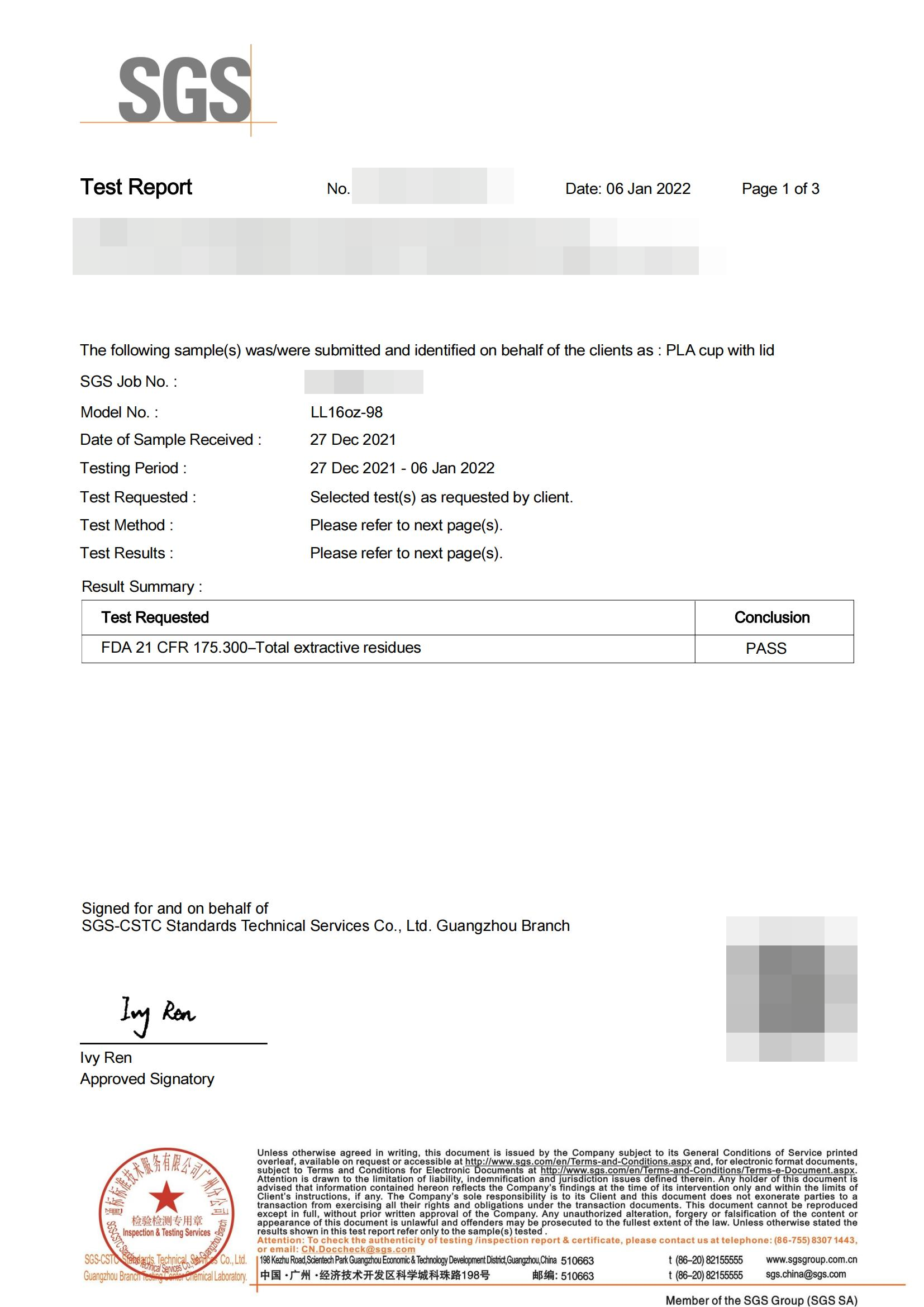
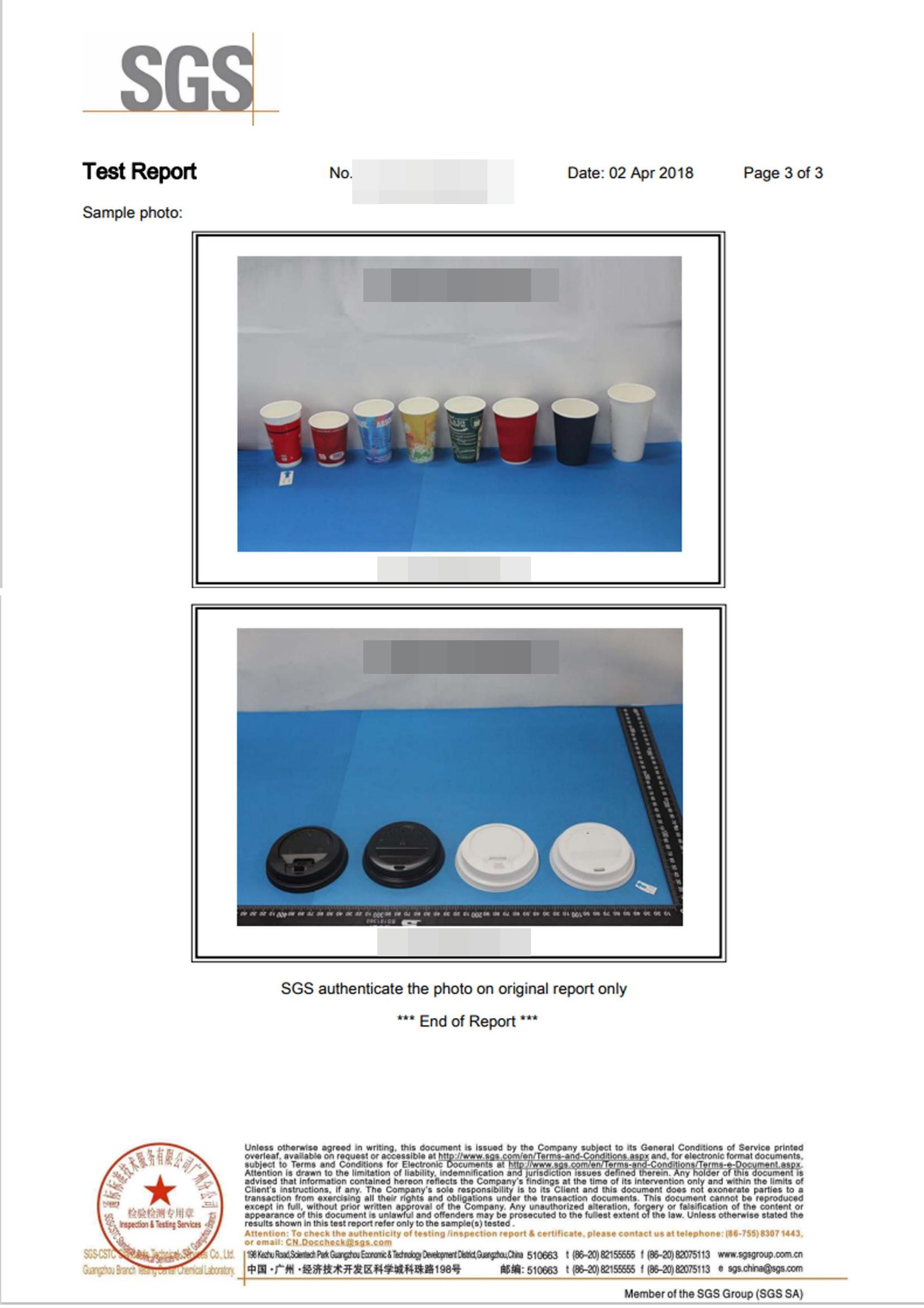
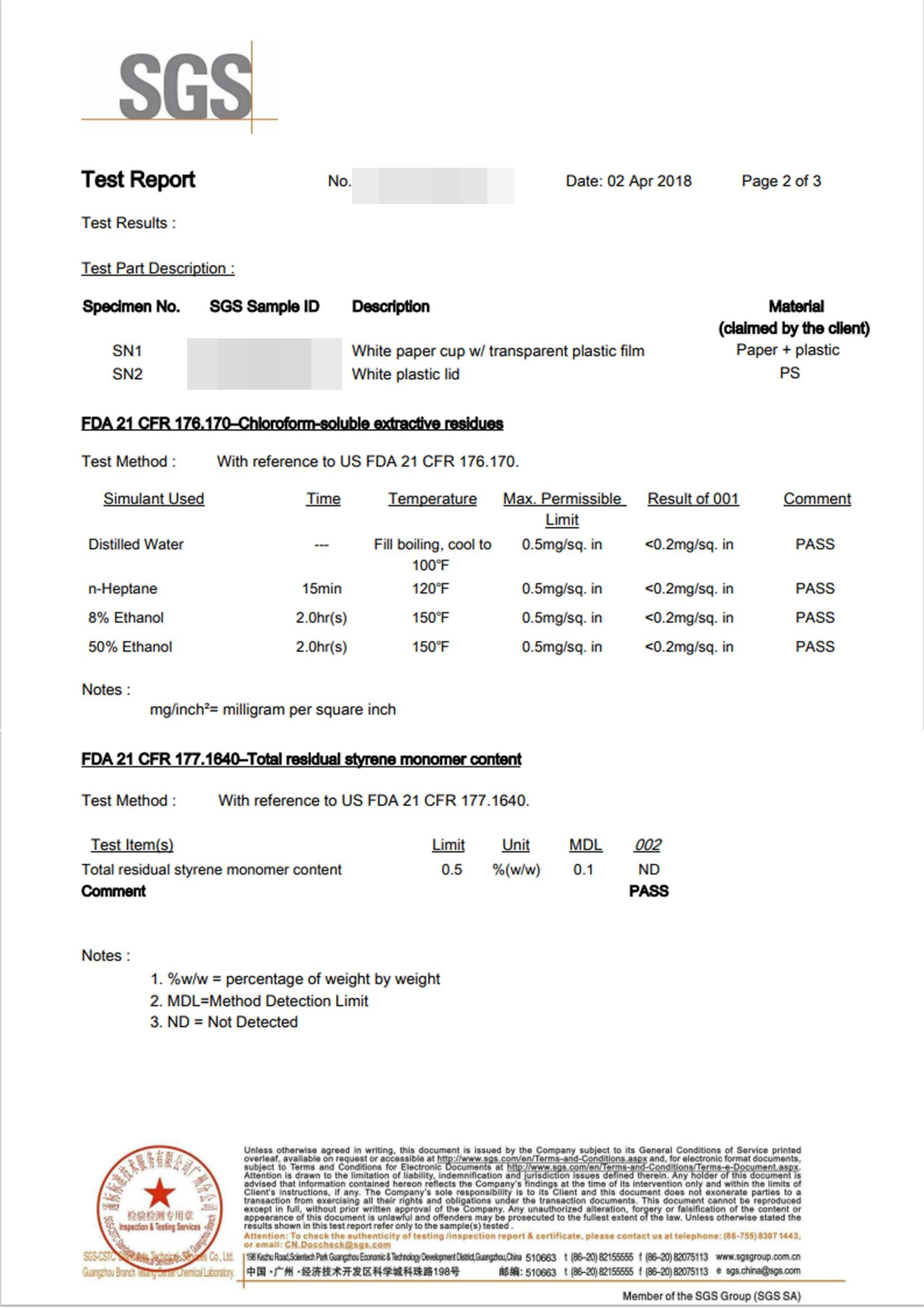
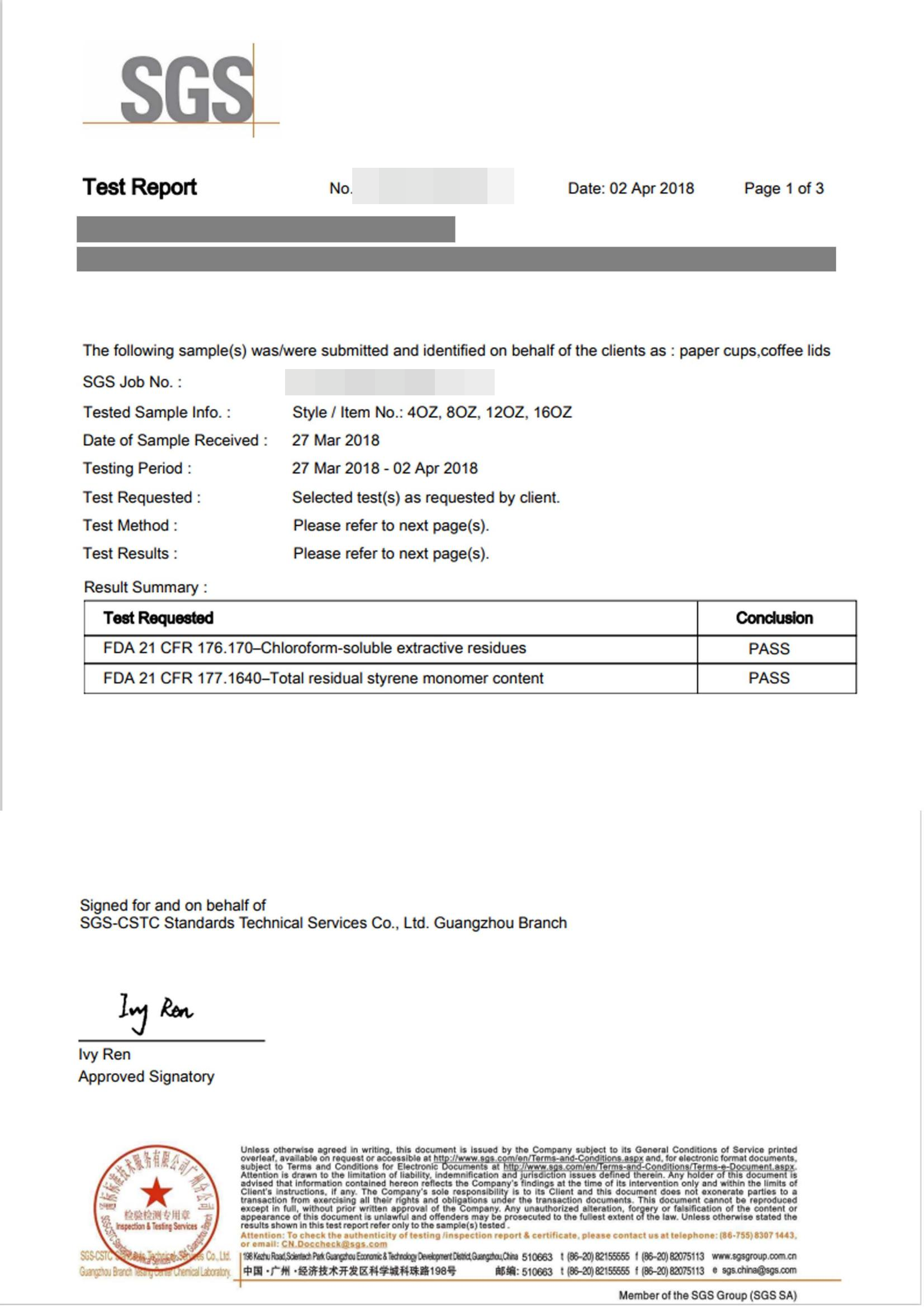
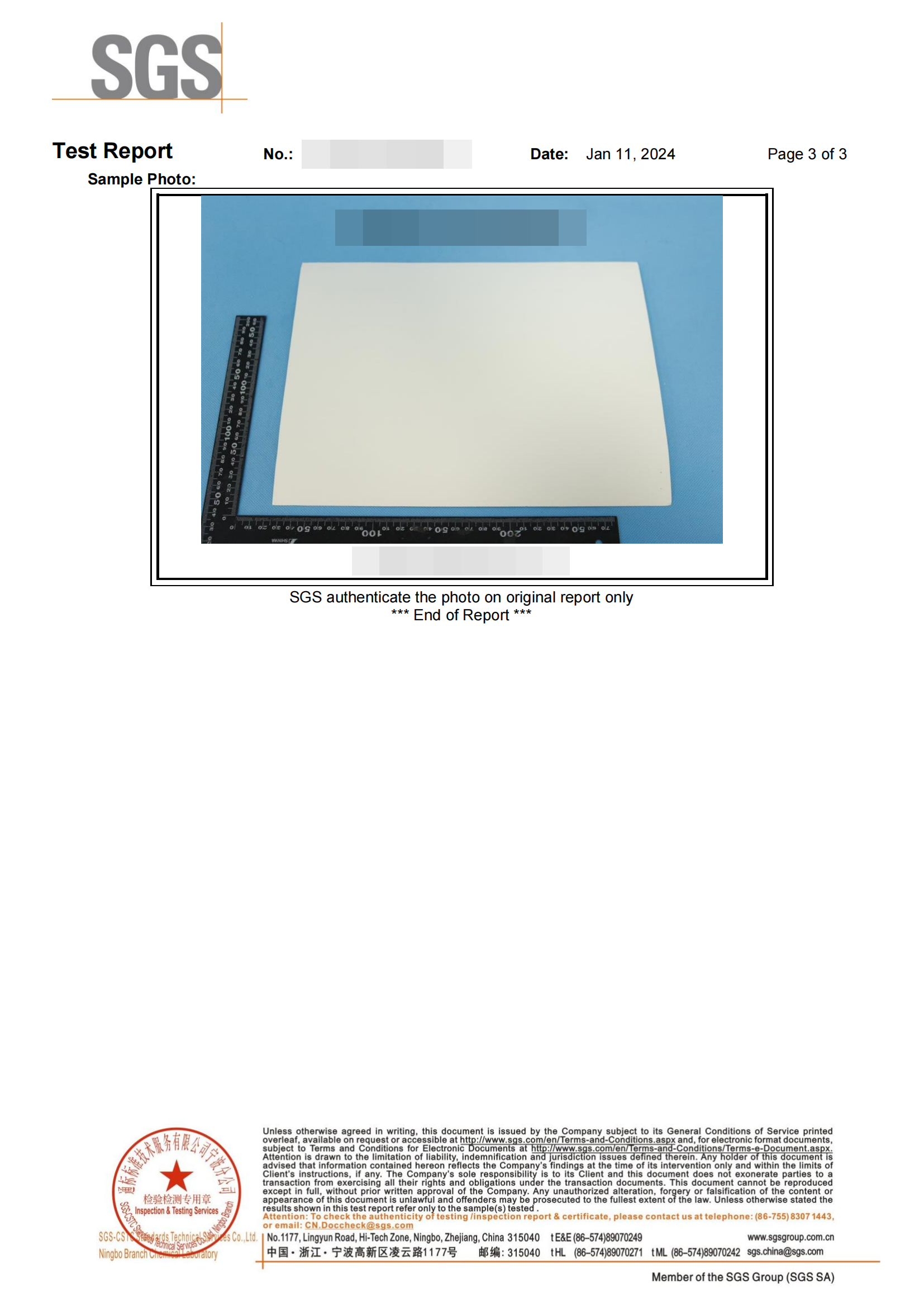
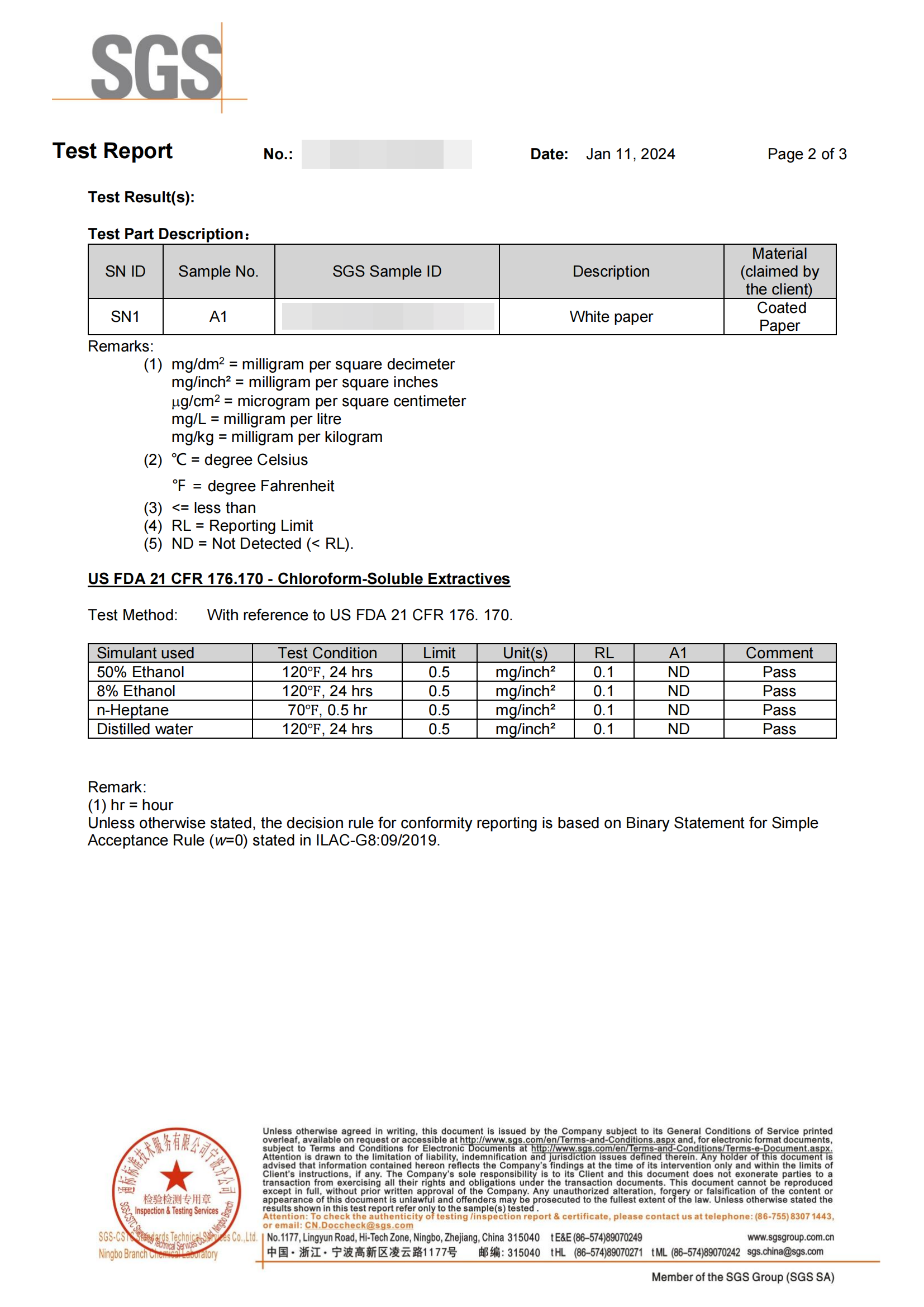
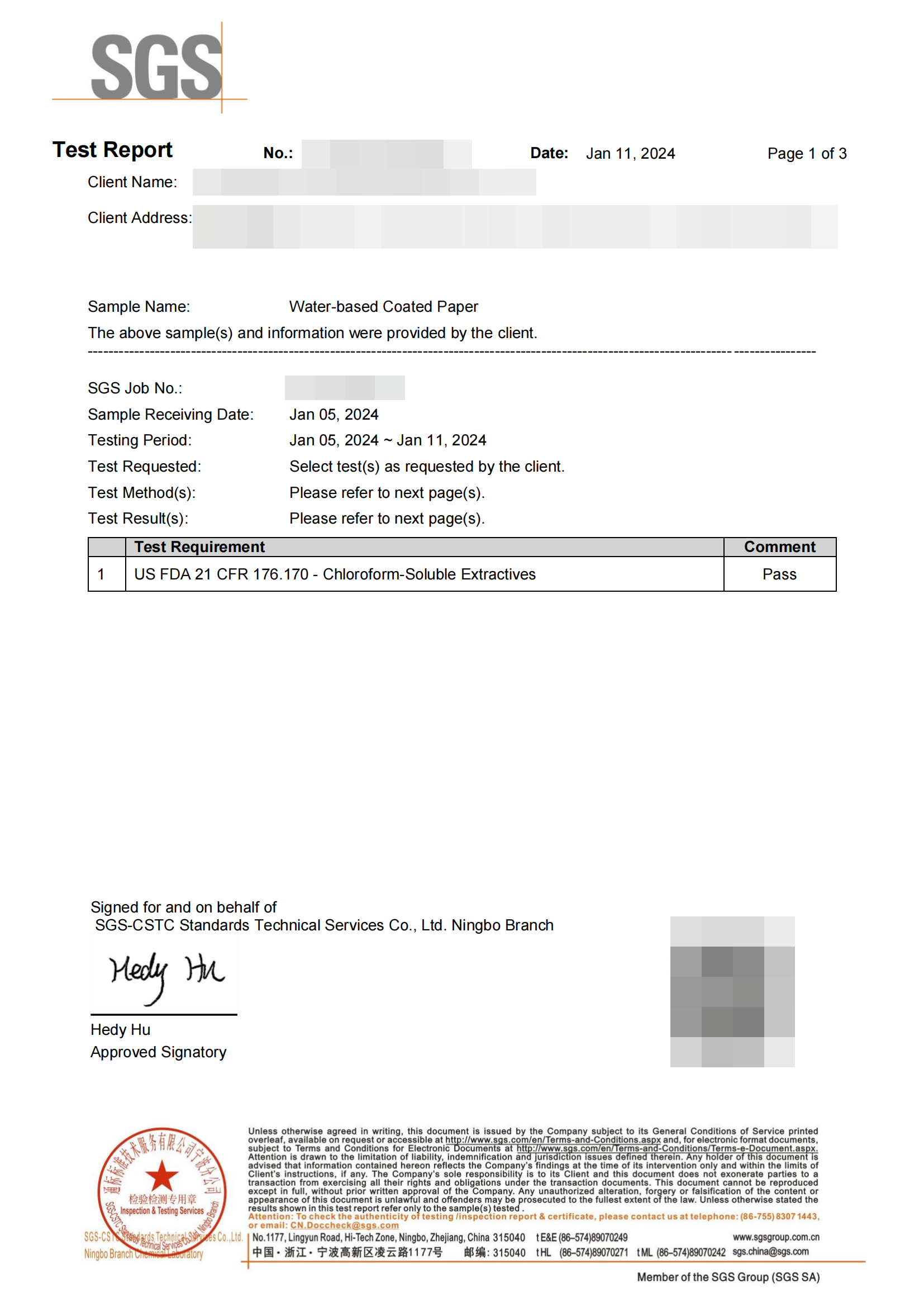
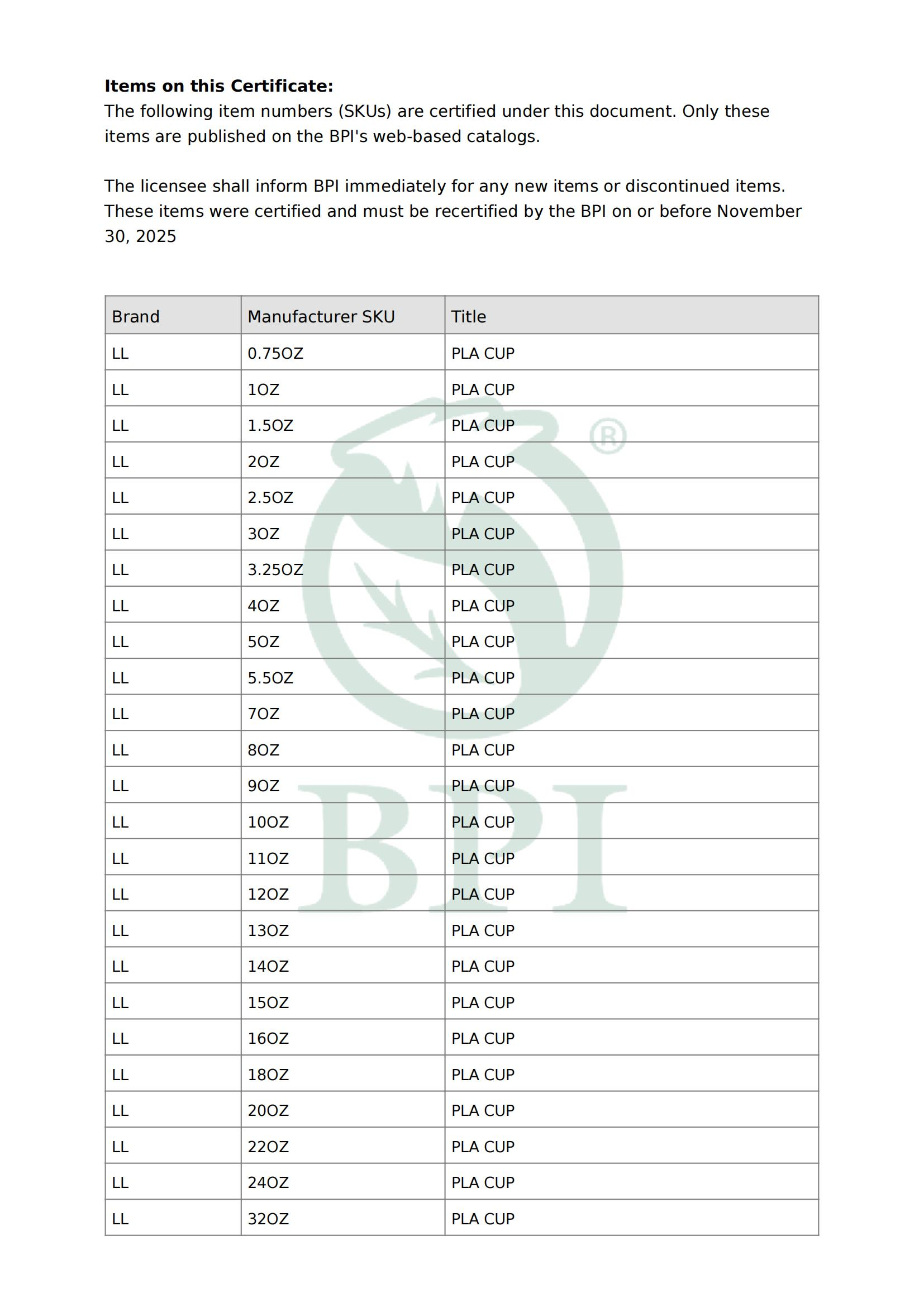
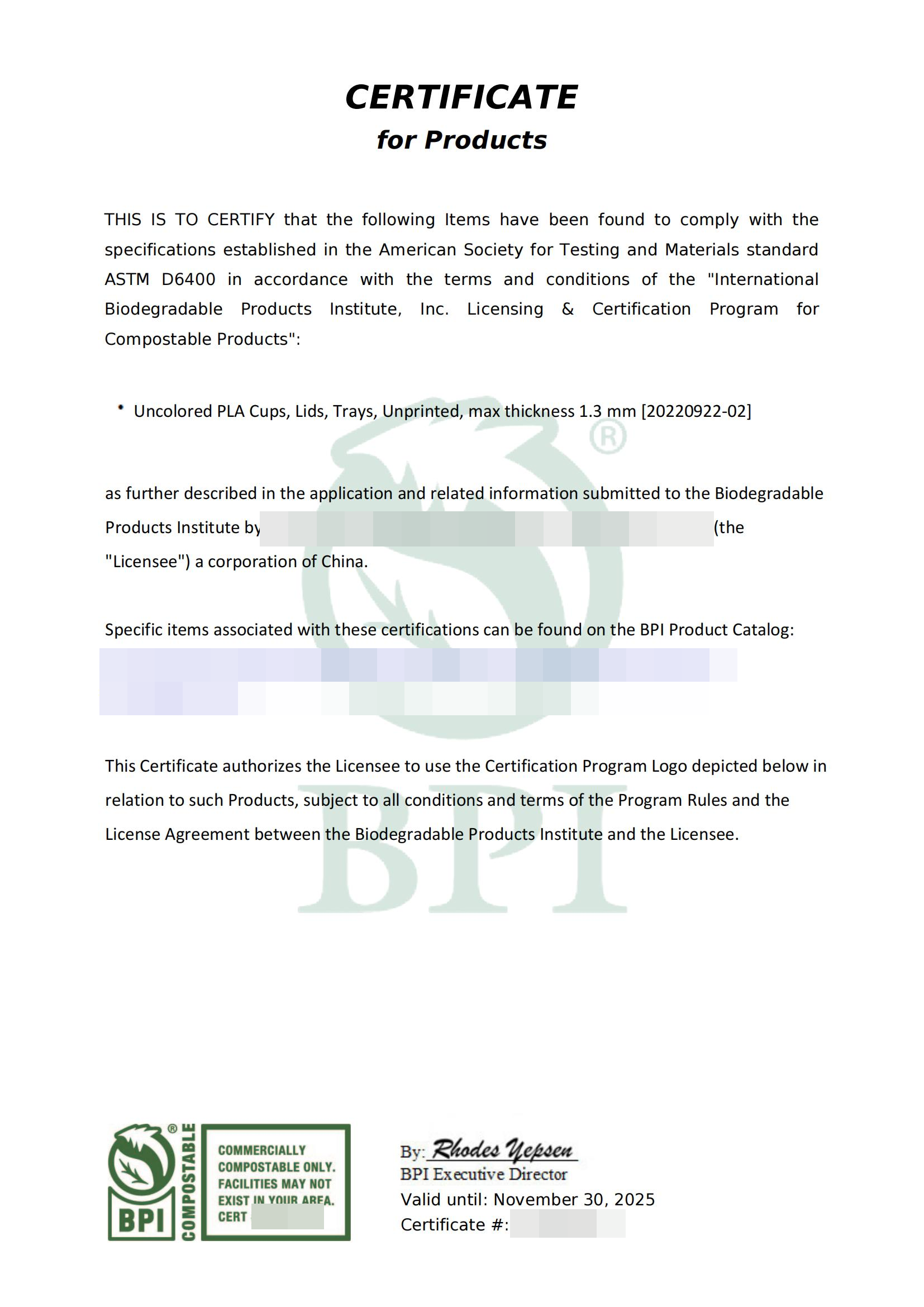
Review available certificates and test reports for your intended product and market. Document scope varies by material, product and issuing body; ask our team to confirm the relevant files for your order.


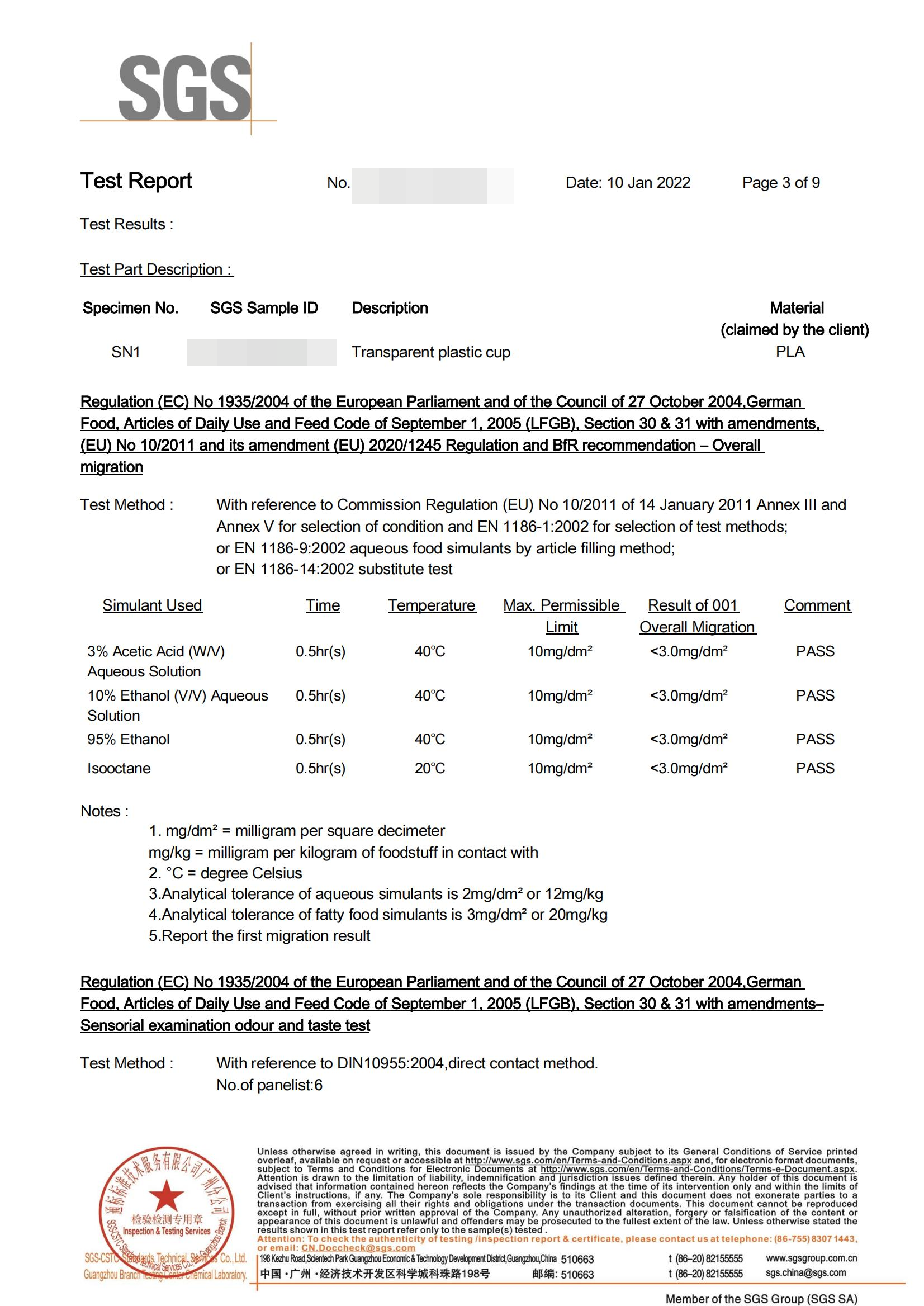
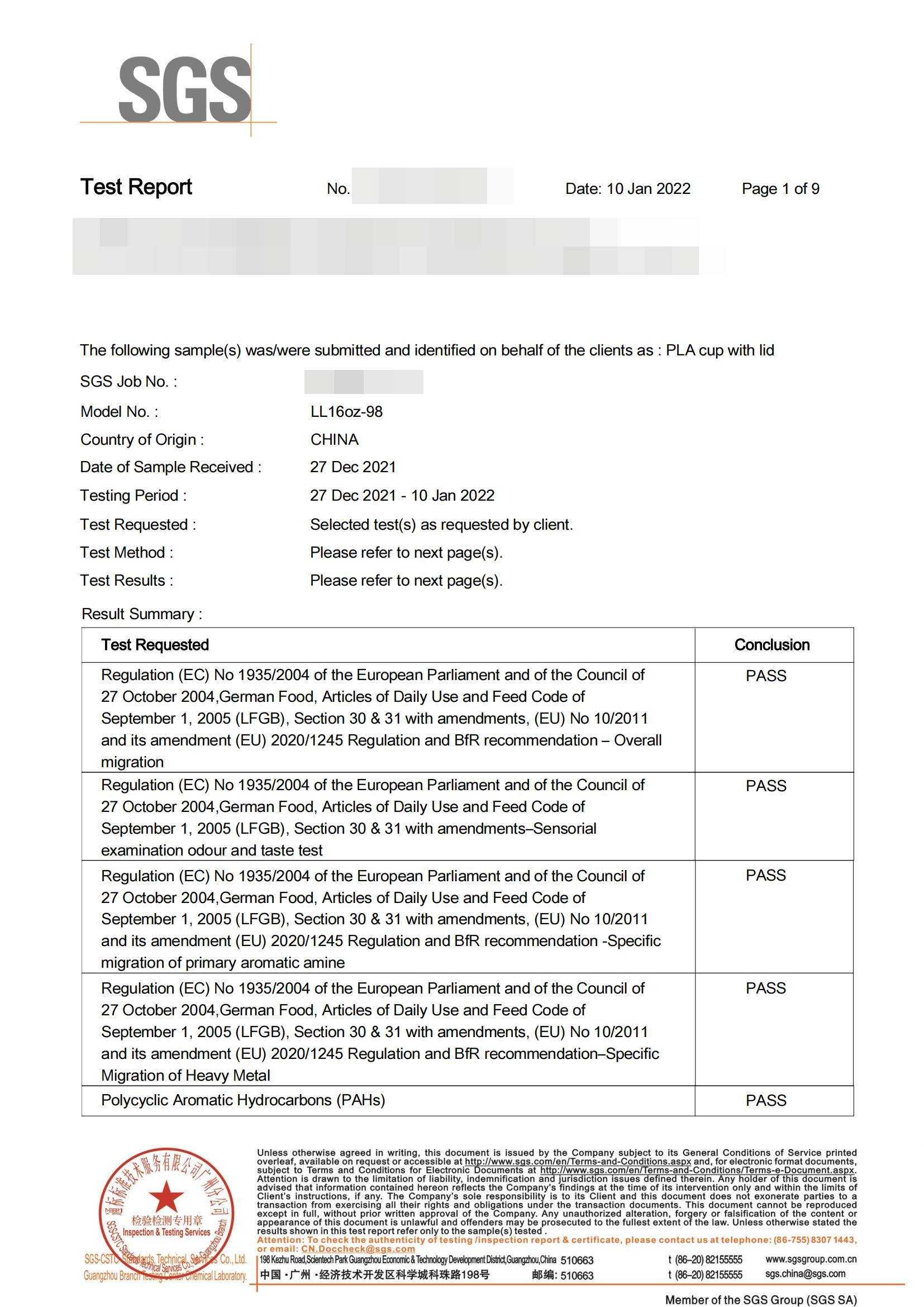
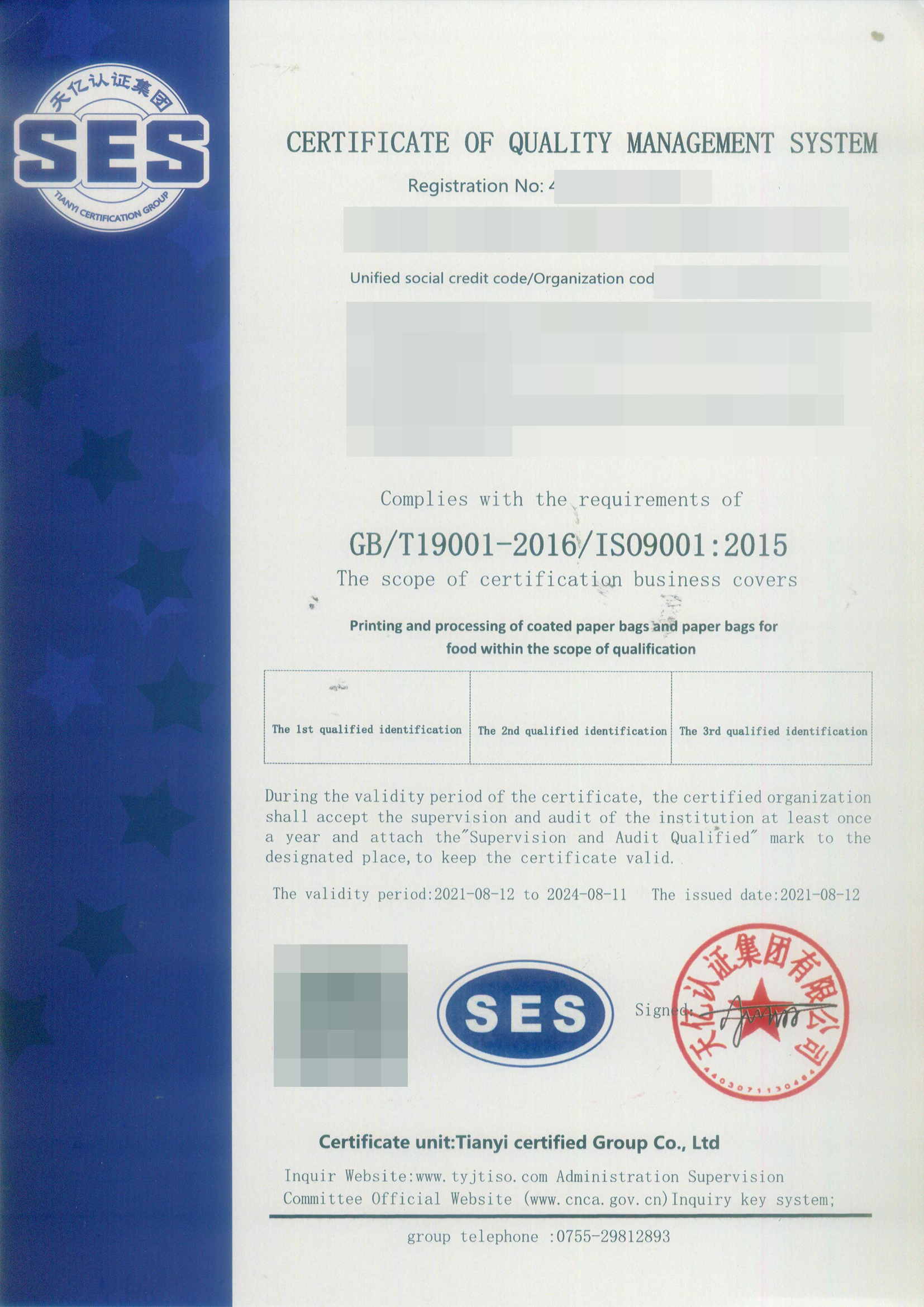
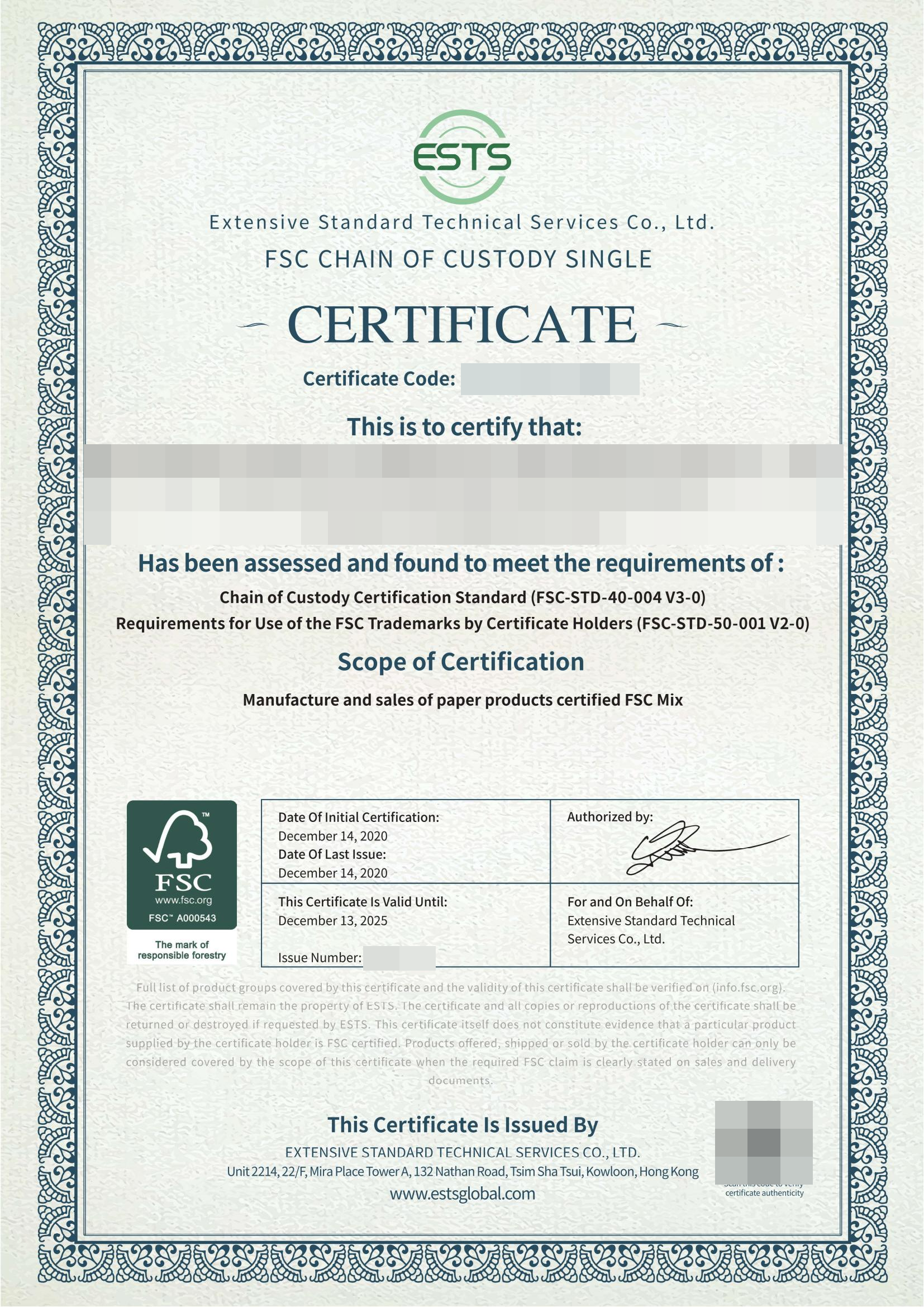
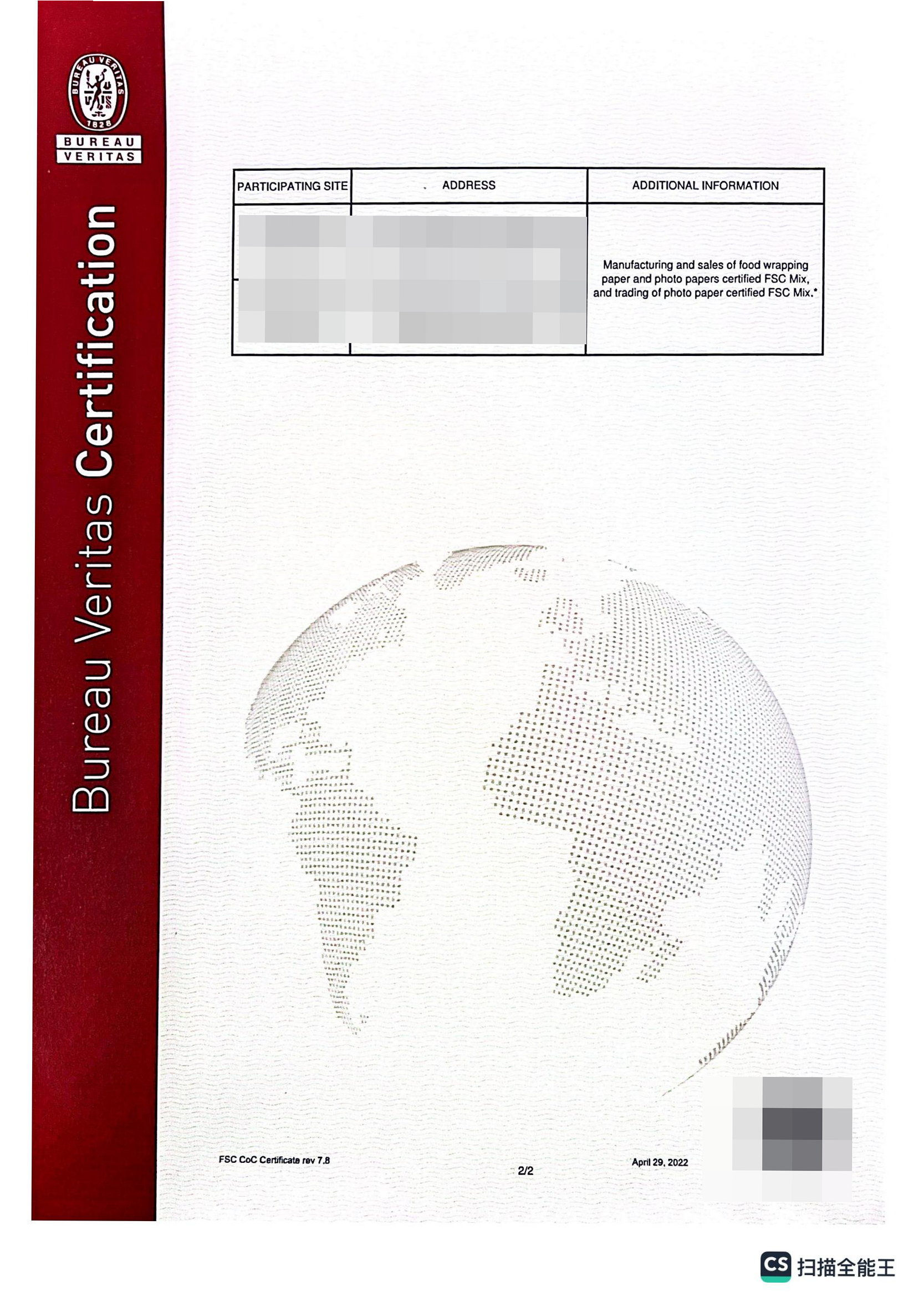
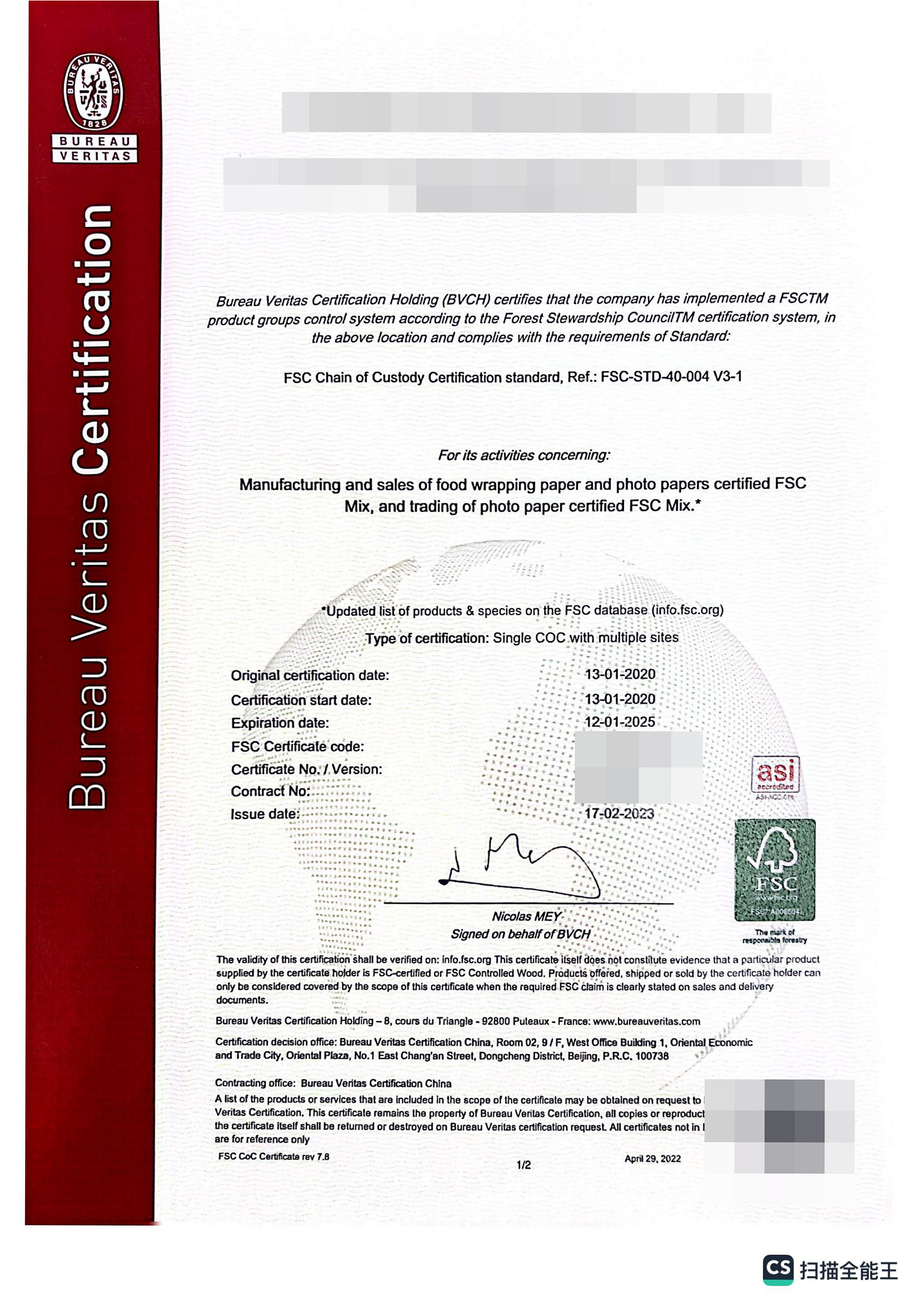
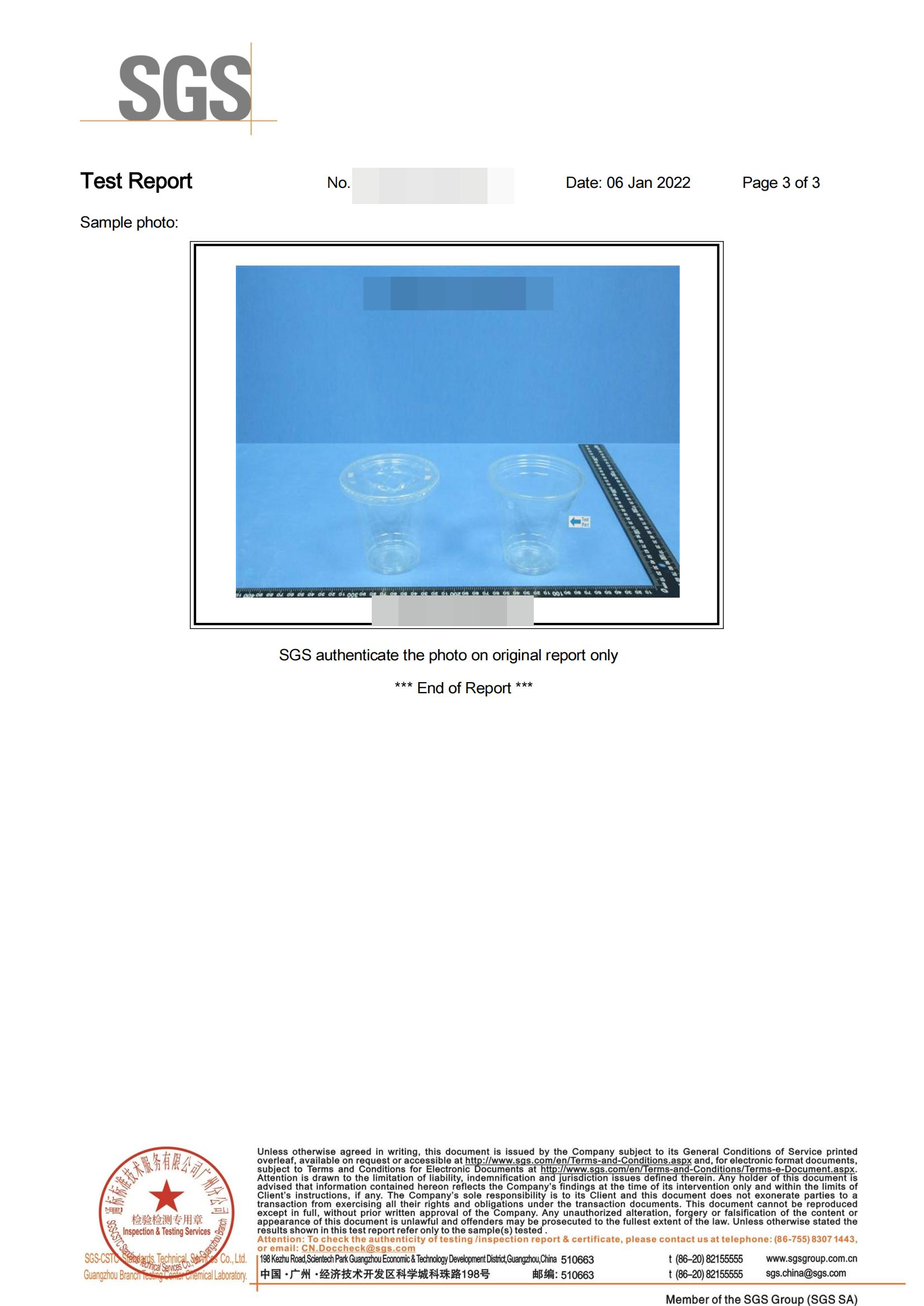
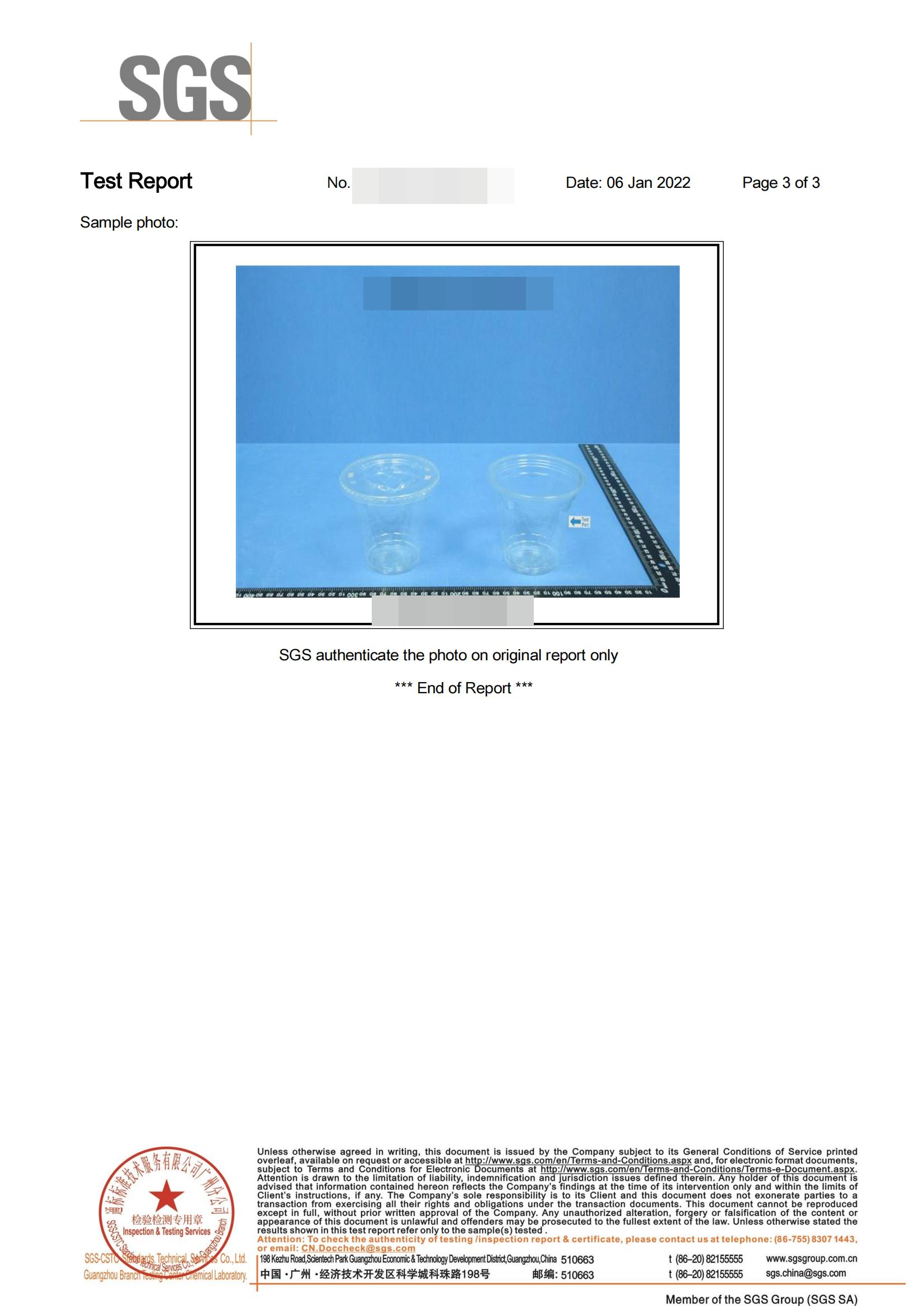
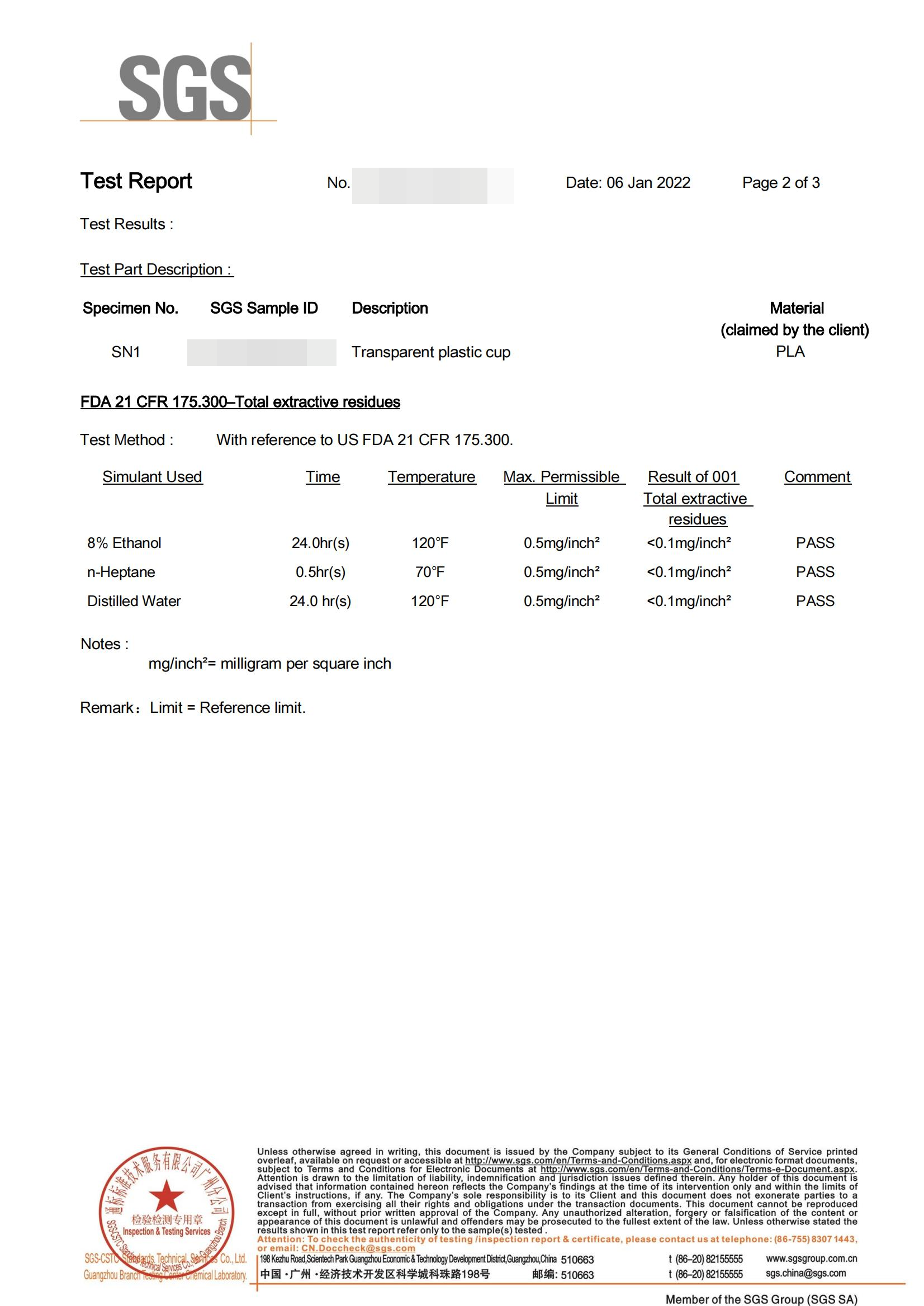
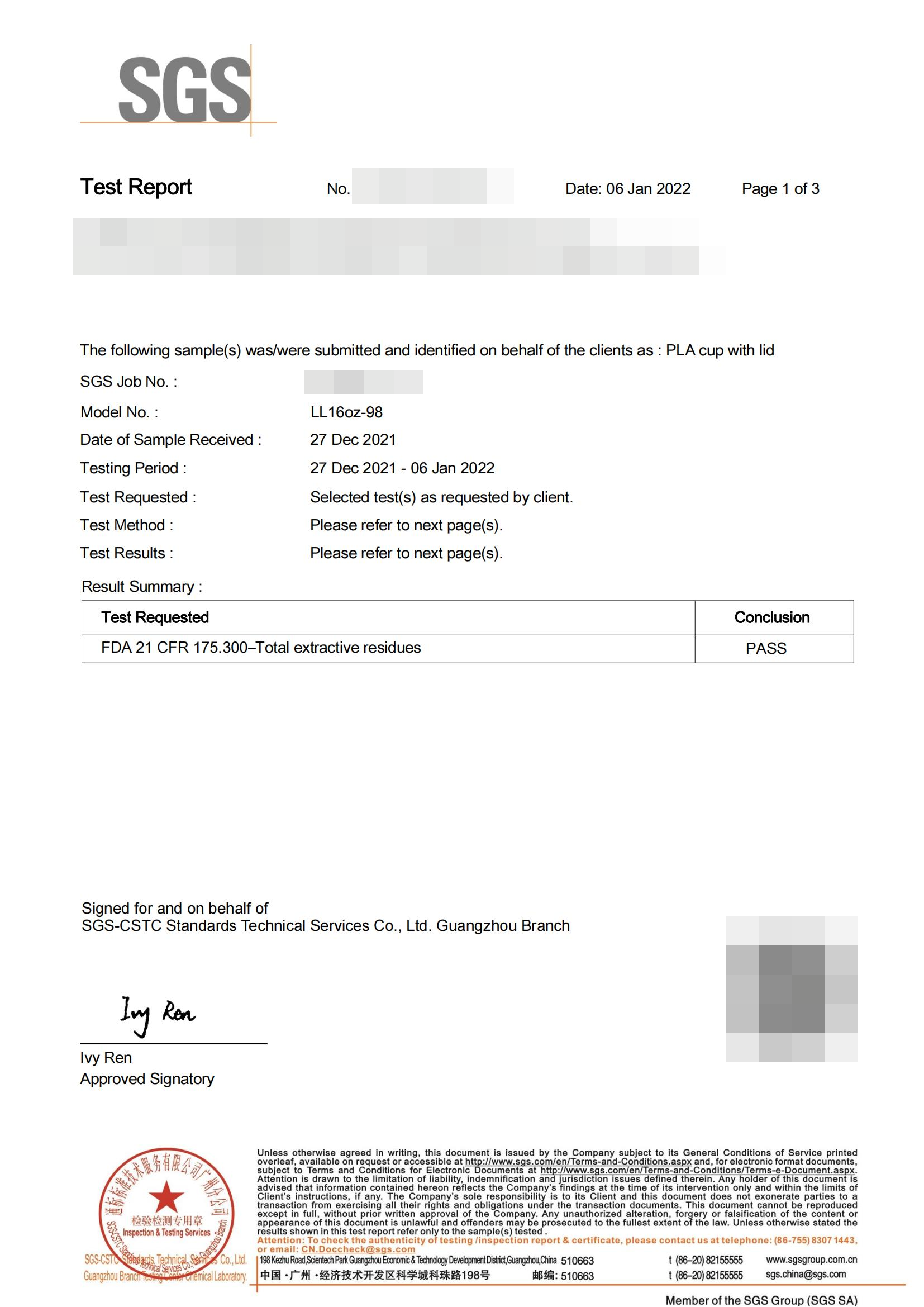
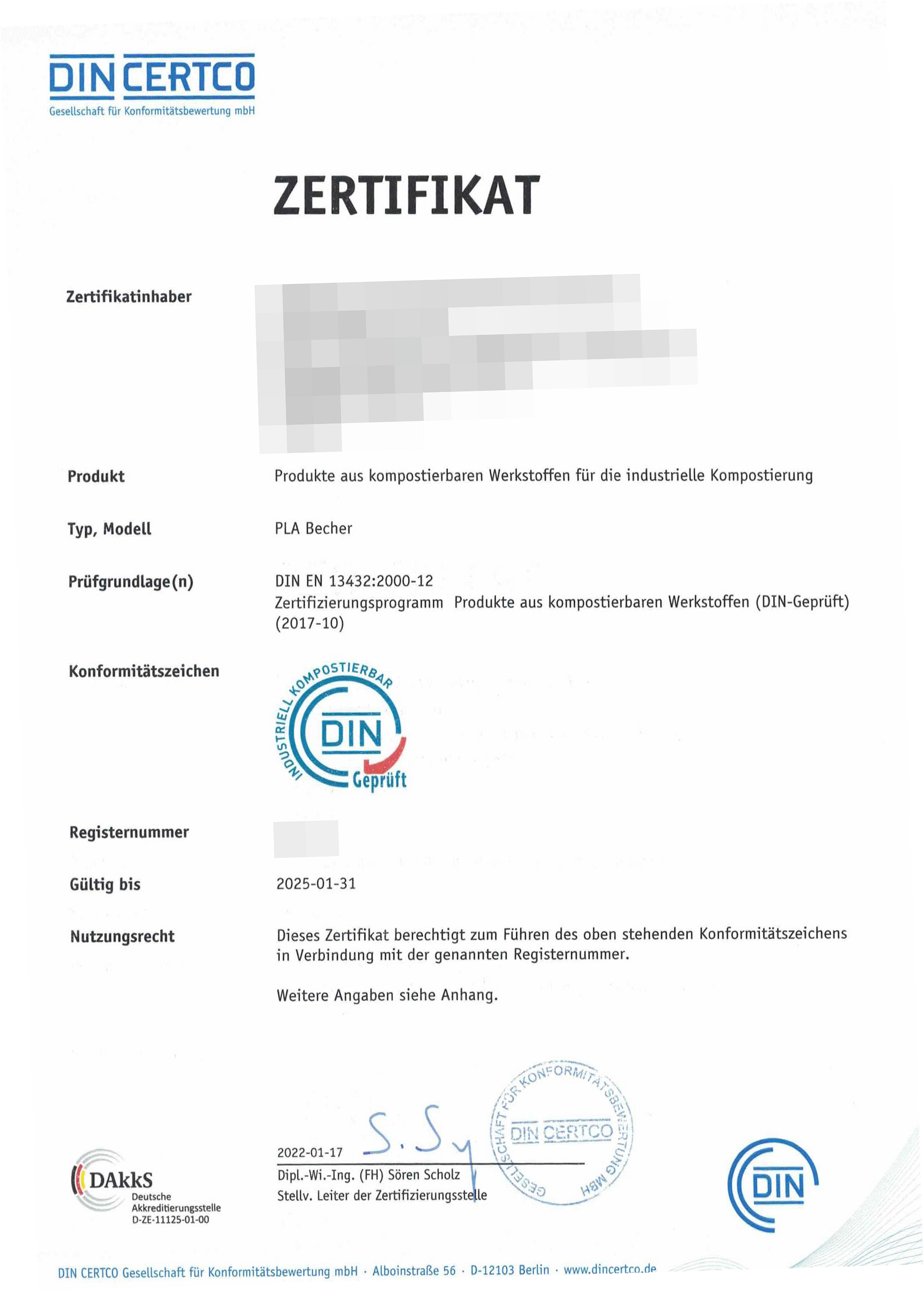
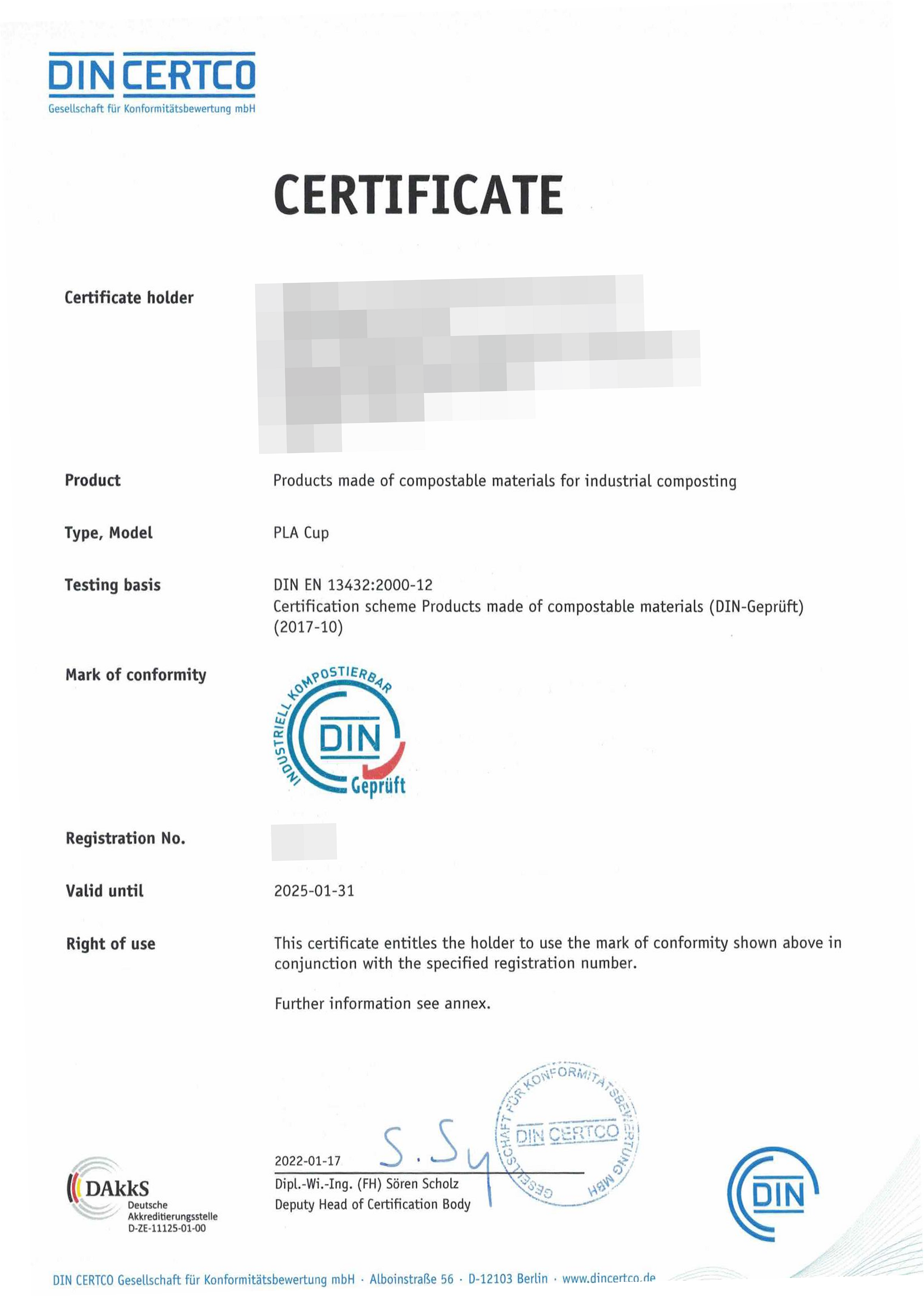
Bag-in-box packaging involves more than selecting an inner bag and carton. Film construction, filling temperature, fitment position and filled-bag dimensions all affect the finished package. ProGreenPack coordinates these details around different liquid applications, helping create packaging that works throughout filling, storage and dispensing.
A coffee supplier serving offices and event venues wanted a 96 oz bag-in-box format for freshly brewed takeaway coffee. The package needed to accommodate hot filling, remain easy to carry when full and allow staff to dispense coffee directly into cups. The main challenge was coordinating the inner bag with the foldable carton design. The bag needed enough internal space without putting excessive pressure on the carton folds, while the dispensing opening and built-in cup holder had to remain accessible during use.
ProGreenPack reviewed the filling temperature and holding time before selecting a suitable high-temperature-resistant inner-bag structure. The filled bag dimensions were then matched to the carton depth, with the fitment positioned for convenient access through the front opening. The cup-holder cutout and folding structure were arranged around the filled package rather than designed separately. A filled sample could then be checked for carton fit, carrying balance, outlet accessibility and sealing performance. This brought the inner bag, dispensing function and handheld carton together in one practical coffee packaging format.


A dairy supplier needed 3L bag-in-box packaging for chilled milk distributed to cafés and commercial kitchens. The package had to fit refrigerated storage spaces and allow staff to dispense milk without removing the inner bag from its carton. One concern was that the filled bag could settle unevenly or press against the carton panels, making the dispensing tap difficult to access. The material also needed to suit direct milk contact and the intended refrigerated distribution process.
ProGreenPack organized the specifications around the milk filling method, storage temperature and required filling volume. The selected multilayer film was reviewed for its food-contact and heat-sealing properties, with the PE contact layer forming an important part of the material construction. The bag width, height and fitment position were then coordinated with the carton dimensions, keeping the dispensing outlet aligned with the access opening. Checking the filled package helped evaluate its fit inside the carton, tap accessibility and sealing condition. This provided a more practical 3L milk packaging configuration for refrigerated foodservice distribution.
A beverage distributor wanted to develop a 5L bag-in-box range for wine and fruit juice. Although both products used the same nominal capacity, their packaging requirements were different. The wine range required suitable protection against light and oxygen, while the juice specifications depended on the formulation, filling conditions and storage requirements. Using one standard film structure for every product could result in either unnecessary material costs or insufficient product protection.
ProGreenPack reviewed the available VMPET/NY/PE/PE and aluminum foil laminate options against the intended barrier requirements of each beverage. The material selection was considered alongside the bag dimensions, fitment position and outer-carton opening. Particular attention was given to how the filled bag would sit inside the 5L carton and whether the dispensing tap remained accessible during use. The resulting specification provided a clearer basis for managing different beverage products, allowing the film structure to be selected according to each liquid’s protection requirements while maintaining a coordinated carton and dispensing design.

From flexible inner bags to custom printed handheld cartons, ProGreenPack brings material options and packaging design together for your coffee, milk, wine, juice and other liquid applications.
Parameter | Specification |
Product Type | Bag-in-Box Packaging |
Featured Capacities | 3L / 5L |
Inner Bag Material | VMPET/NY/PE/PE, PET/PA, Aluminum Foil Laminates |
Bag Structure | Flexible Multilayer Inner Bag |
Outer Packaging | Paper / Customized Carton |
Applications | Coffee, Milk, Beer, Wine, Fruit Juice |
Special Options | High-Temperature-Resistant Coffee Packaging |
Printing | Custom Printed Outer Carton |
Packaging Format | Standard Carton / Foldable Handheld Box |
Material Structure | Main Characteristics |
VMPET/NY/PE/PE | Metallized barrier layer combined with nylon and PE layers for barrier, mechanical and sealing requirements |
PET/PA | Material combination offering structural and mechanical performance for suitable packaging designs |
Aluminum Foil Laminates | Strong light and gas barrier properties for applications requiring enhanced product protection |
Aluminum foil laminates provide strong protection against oxygen, moisture and light, making them suitable for products with demanding barrier requirements. VMPET uses a thin metallized layer on a plastic film, offering light and gas barrier properties with a different material construction. The choice depends on the product’s oxygen sensitivity, required shelf life, storage conditions and packaging cost.
Yes. Bag-in-box milk packaging is used for both foodservice and selected retail applications. The material structure must match the milk formulation, filling method and storage conditions. Chilled milk requires an appropriate cold-chain system, while shelf-stable aseptic milk requires a validated sterilization and aseptic filling process. A standard high-temperature-resistant bag is not automatically suitable for aseptic milk packaging.
Yes, provided the inner-bag material and dispensing components are suitable for the specified filling temperature and exposure time. High-temperature-resistant film options are used for selected hot-fill coffee packaging. The maximum filling temperature, holding period and cooling conditions should be included in the packaging specification because heat can affect film layers, seals and fitment connections.
Aseptic bag-in-box packaging is designed for a validated sterile product and packaging system, including appropriate sterilization and aseptic filling. Non-aseptic bag-in-box packaging is used with other suitable filling and preservation processes, such as chilled distribution. The distinction depends on the entire processing system, not simply whether the inner bag uses aluminum foil or multilayer film.
As liquid flows out through the dispensing tap, the flexible inner bag collapses rather than maintaining an empty space that must be filled with outside air. This helps reduce air replacement and product exposure during repeated dispensing.
Shelf life depends on the liquid formulation, oxygen and light sensitivity, film barrier properties, filling process, seal integrity and storage temperature. After opening, the dispensing system and frequency of use also matter. OTR data can help compare film structures, but the complete filled package and intended storage conditions must be evaluated to establish a suitable shelf-life specification.
Not necessarily. Water, wine, juice and high-viscosity syrups have different flow characteristics and dispensing requirements. The tap and fitment should be selected according to liquid viscosity, expected flow rate, outlet dimensions, filling equipment and connection structure. A fitment that works well for water may dispense thick syrup too slowly or become obstructed.

Custom plastic packaging for food products, with flexible styles and personalized printing options to support different packaging and branding requirements.

Custom paper noodle boxes with food-grade materials, PE-coated barriers and secure folding lids for noodles, rice dishes and takeaway meals.
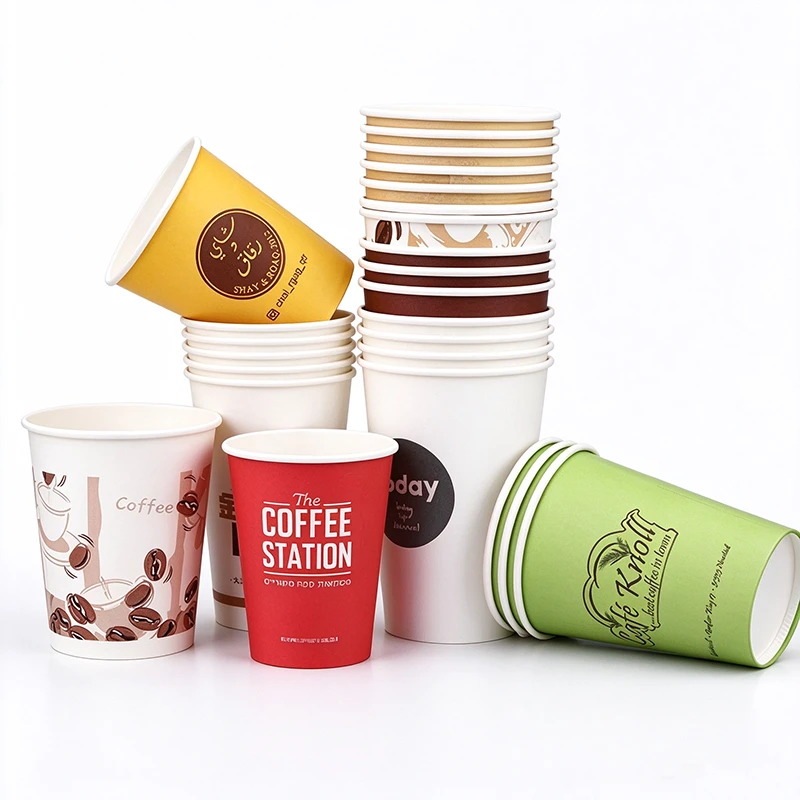
Custom printed paper cups in multiple sizes and structures for serving coffee, tea and other hot or cold beverages in takeaway operations.
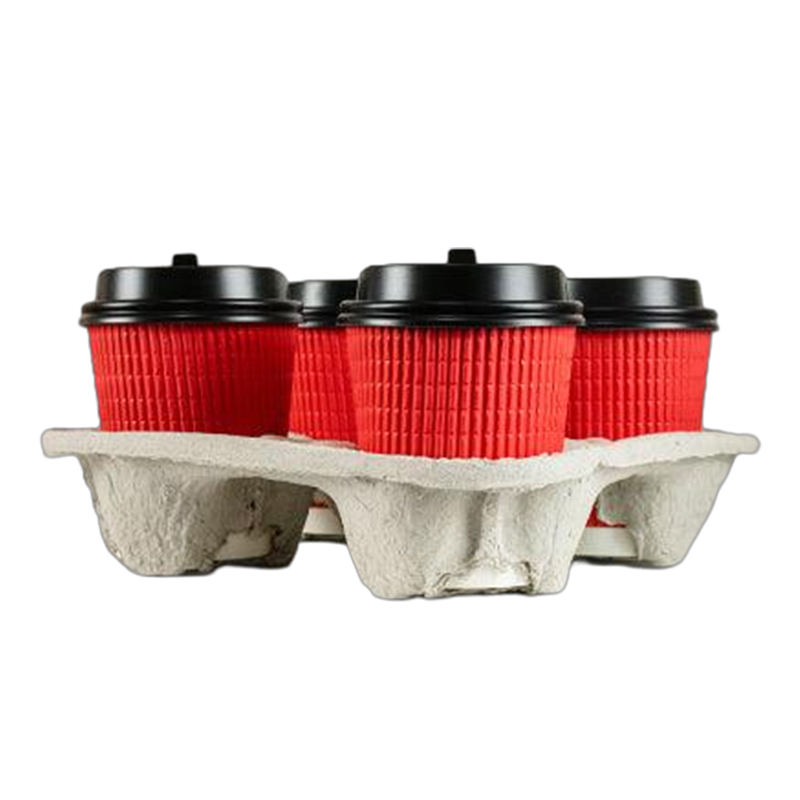
Molded pulp cup holders in two-cup and four-cup designs, helping customers carry takeaway beverages more conveniently and securely.
 Scan with WeChat to contact us