Custom PP Cups for Branded Beverage Packaging

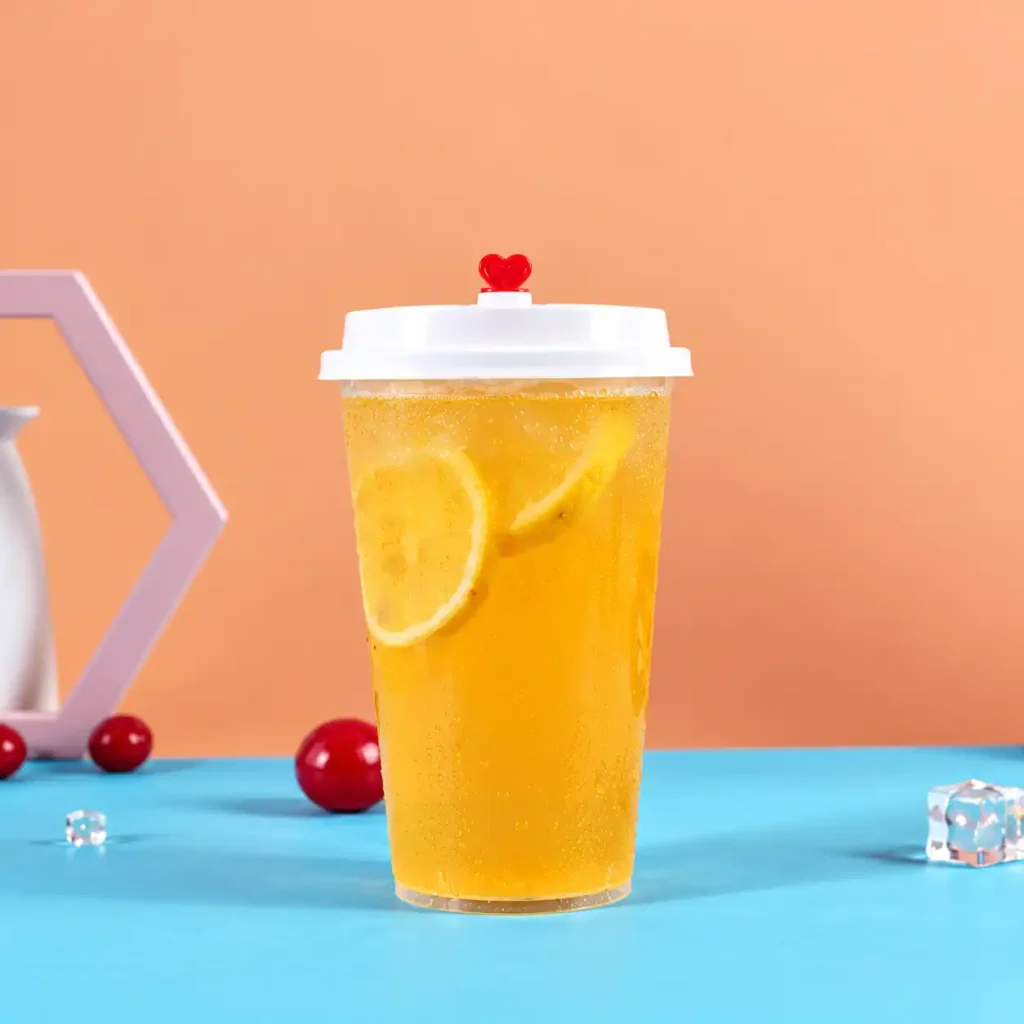
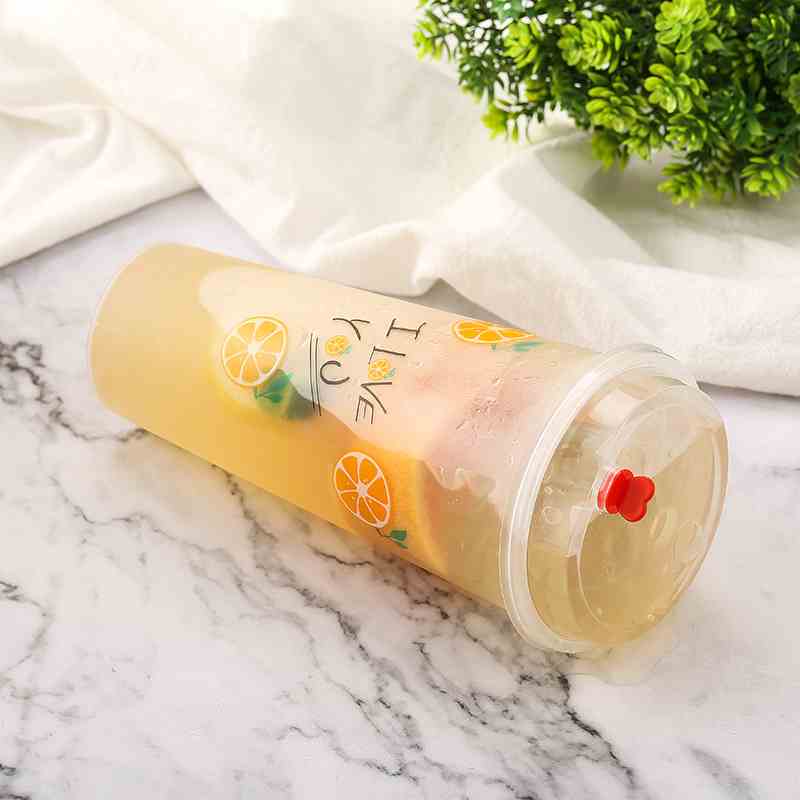
PP cups in 7oz–32oz options, with custom colors, branded decoration and coordinated lid solutions for beverage brands and distributors.

  • 7oz–32oz sizes plus customized options
  • Clear and custom-color cup options
  • Brand artwork and decoration support
  • Matching lids and accessories available

Why Source PP Cups from ProGreenPack?

  • PP cups in 7oz–32oz sizes, with customized options available.
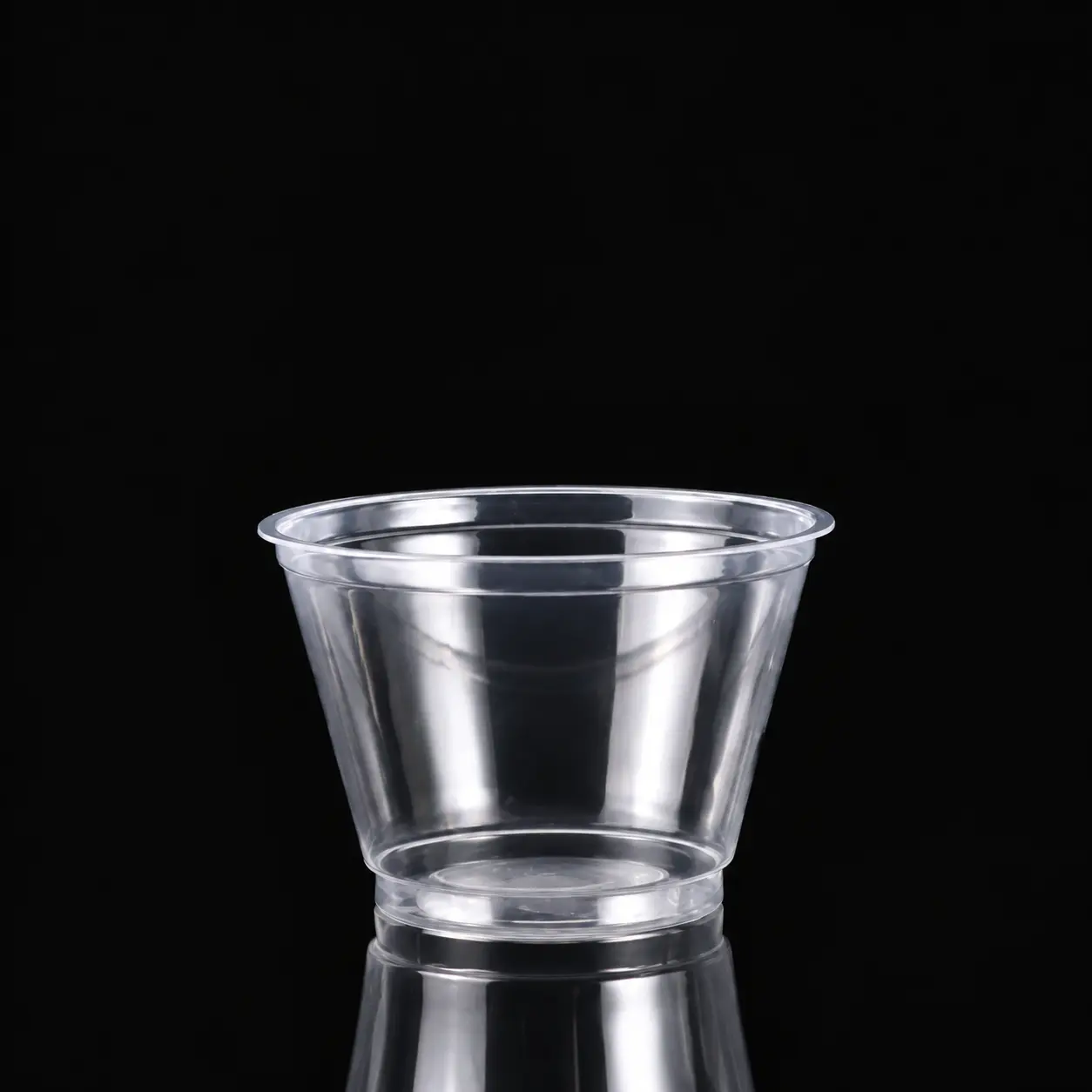
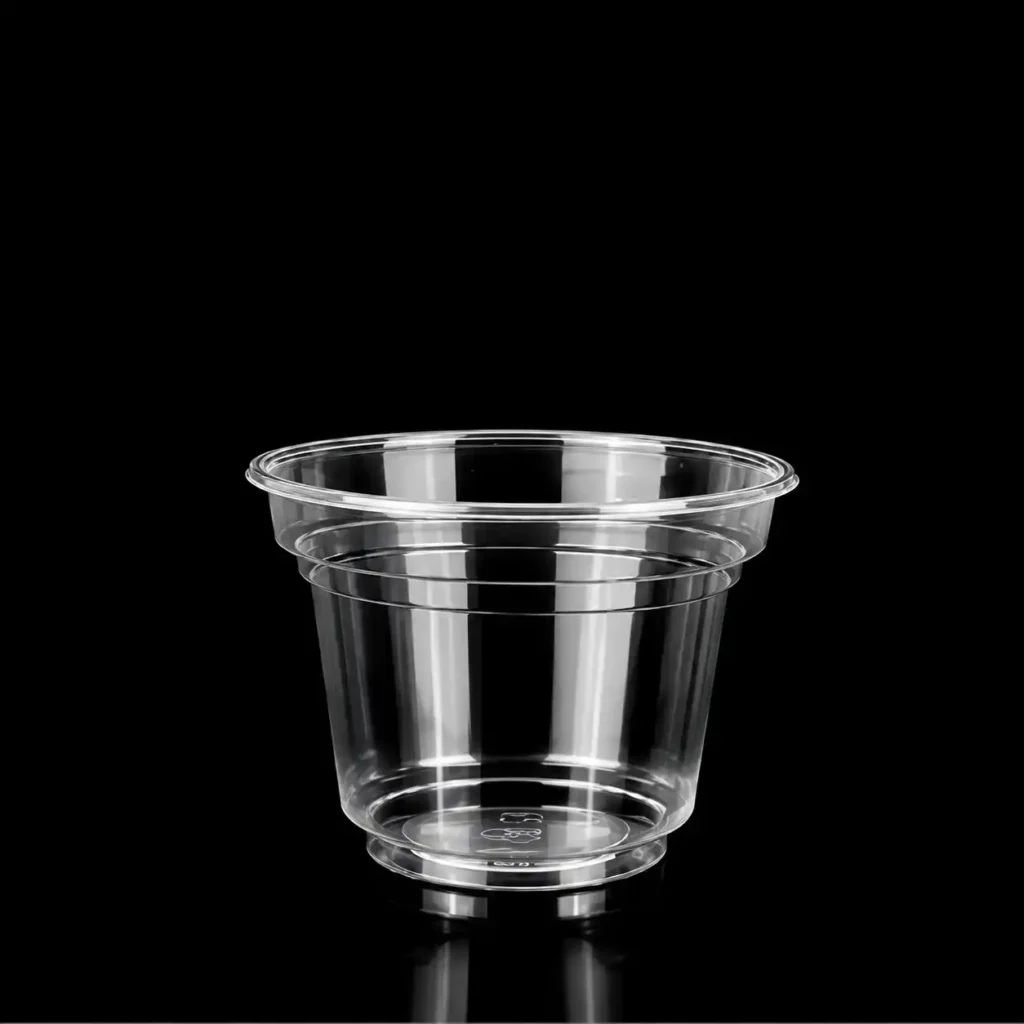
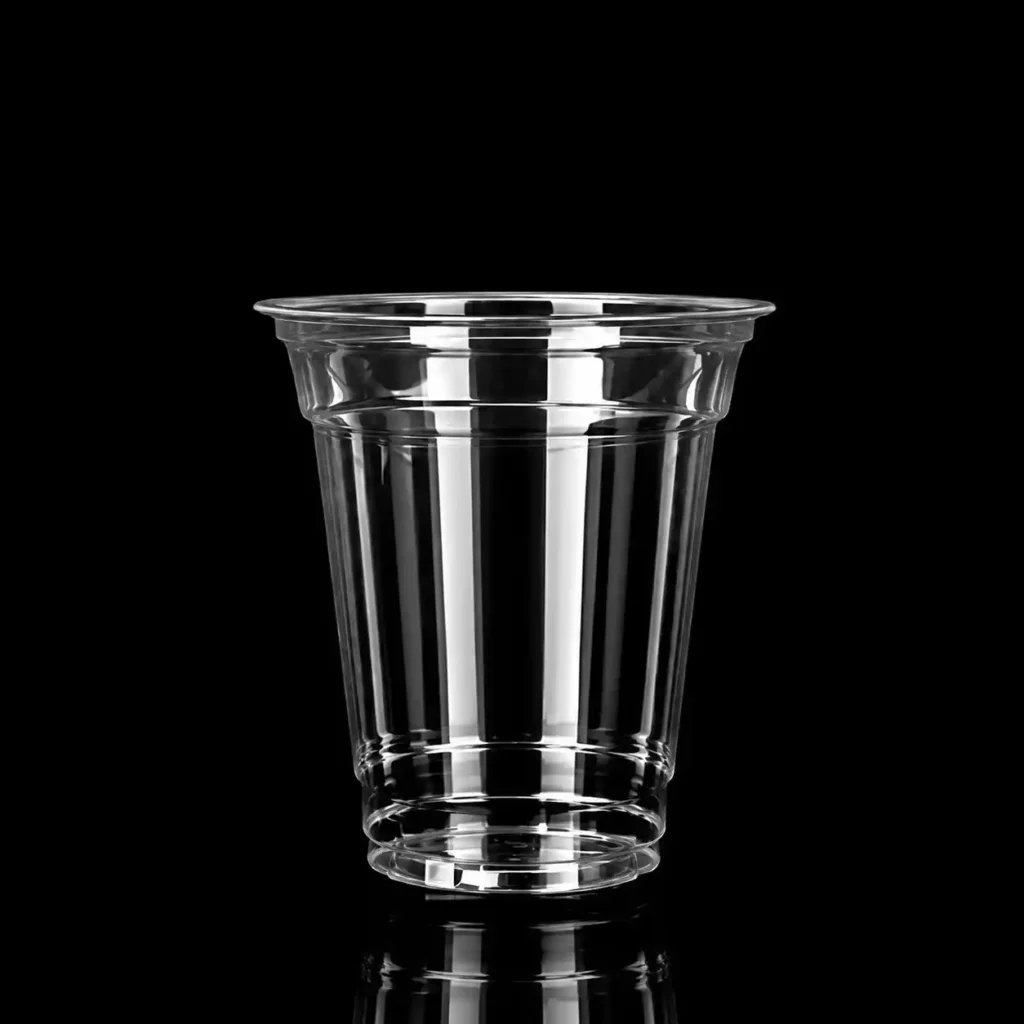
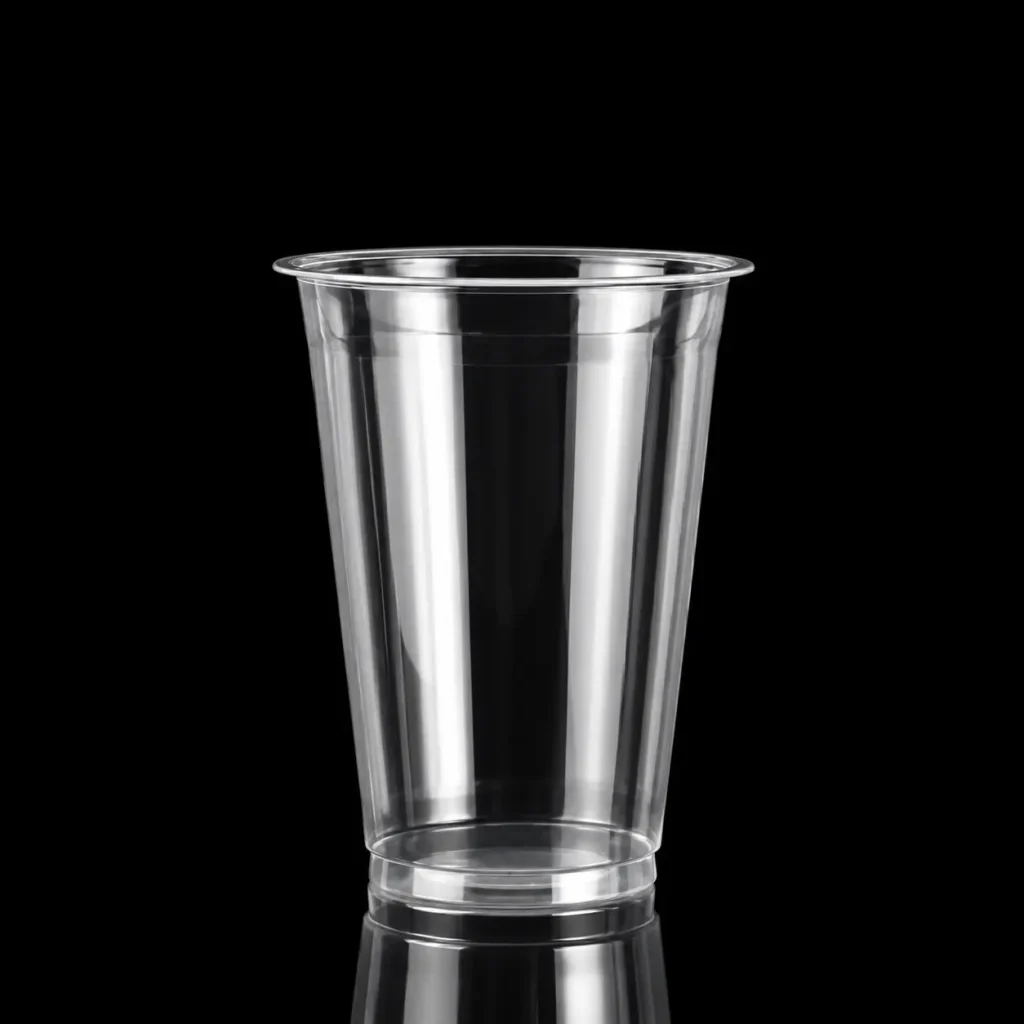
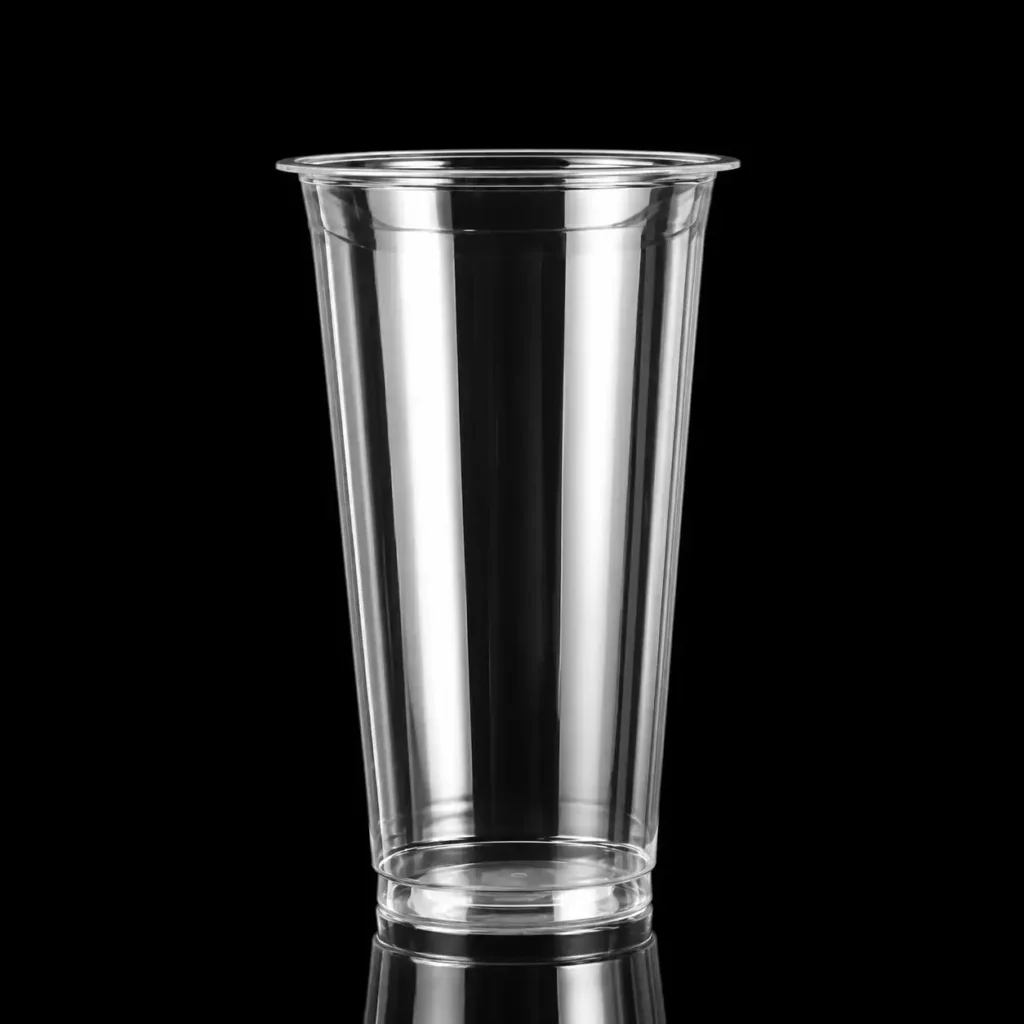
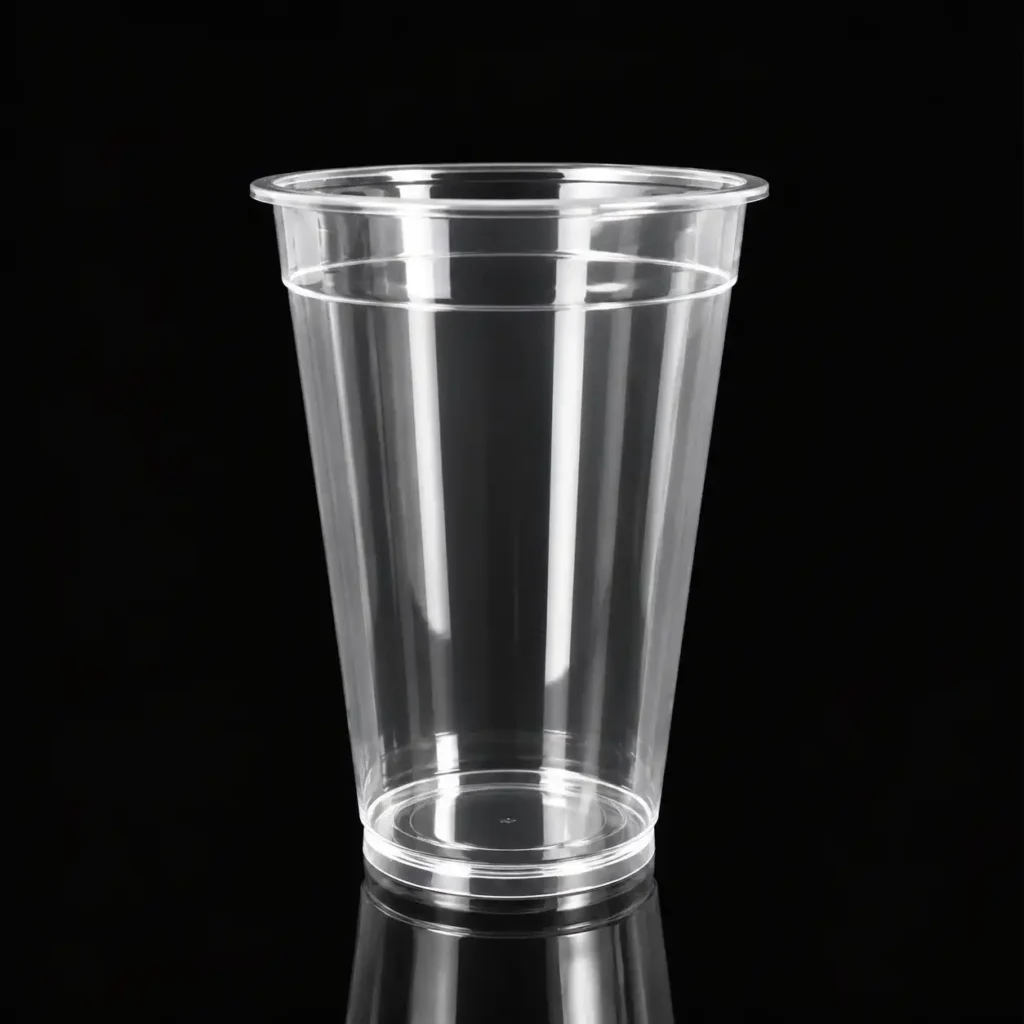
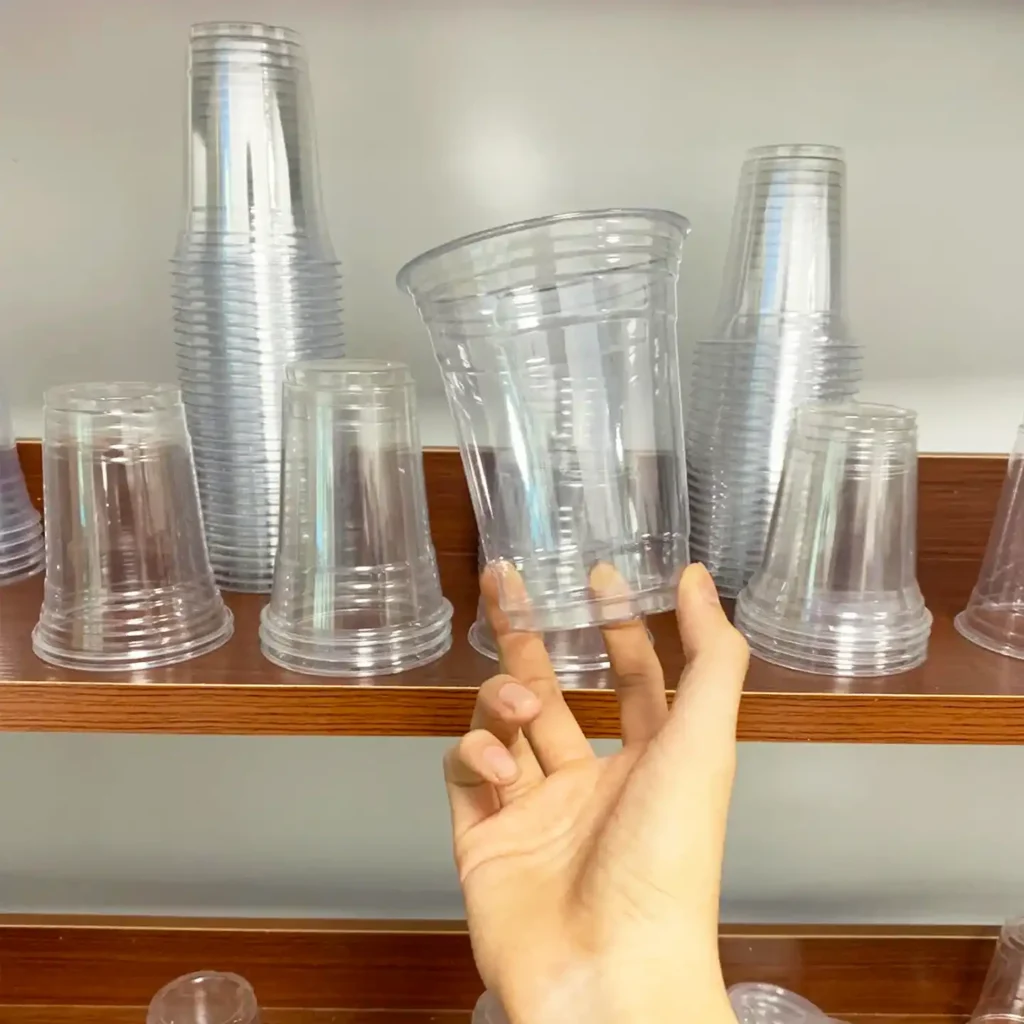
  • Clear bodies, smooth rims and a stable base design.
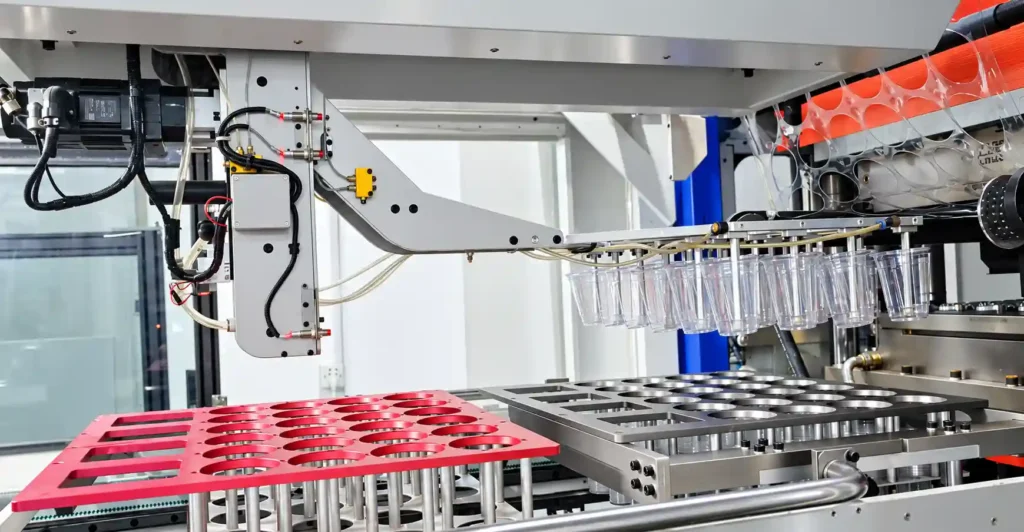
  • Injection-molded and thermoformed options for selected applications.
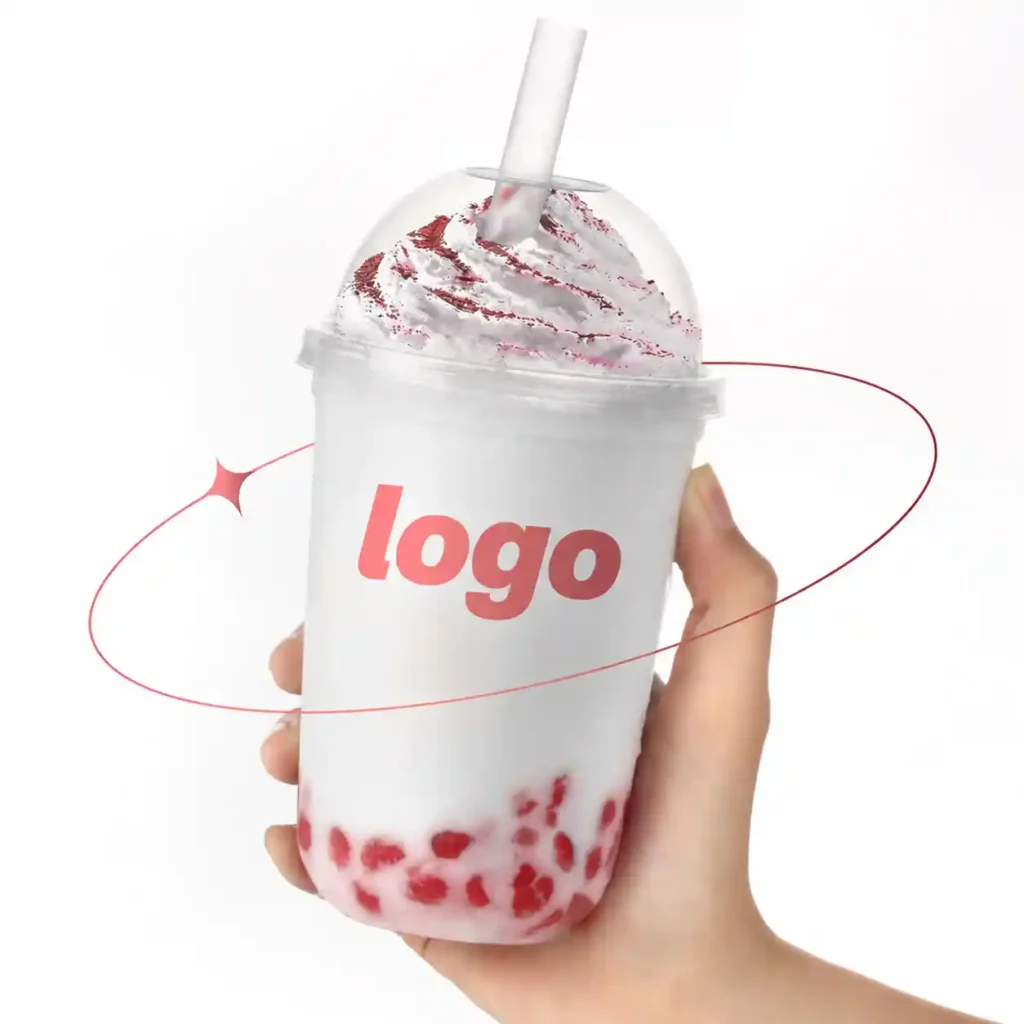
  • Custom colors and artwork for multi-SKU beverage programs.
  • IML decoration available for suitable injection-molded cup designs.
  • Matching lids and accessories coordinated within one packaging project.
  • Packaging printing experience dating back to 1990.

Custom PP Cups for Consistent Beverage Packaging

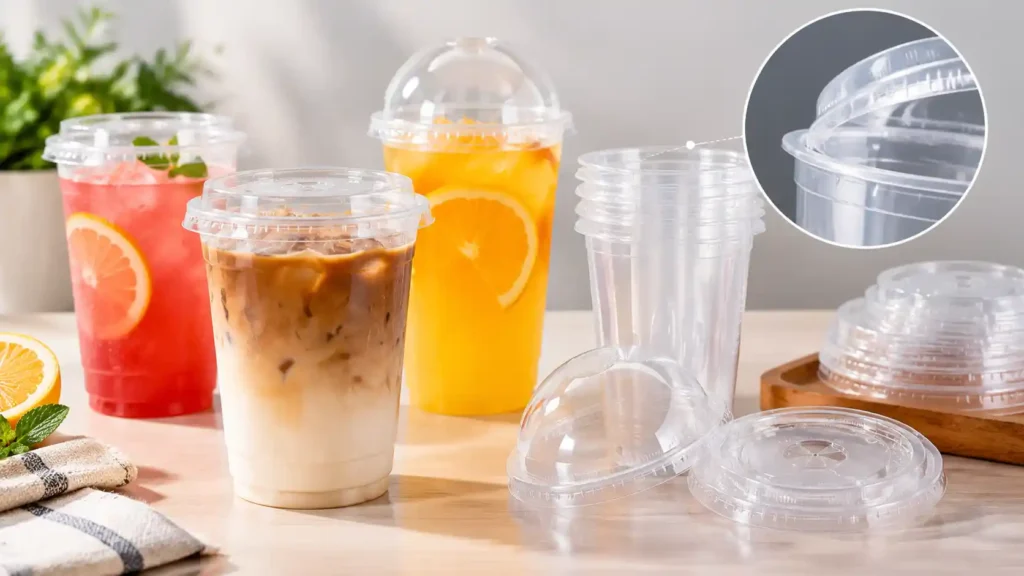
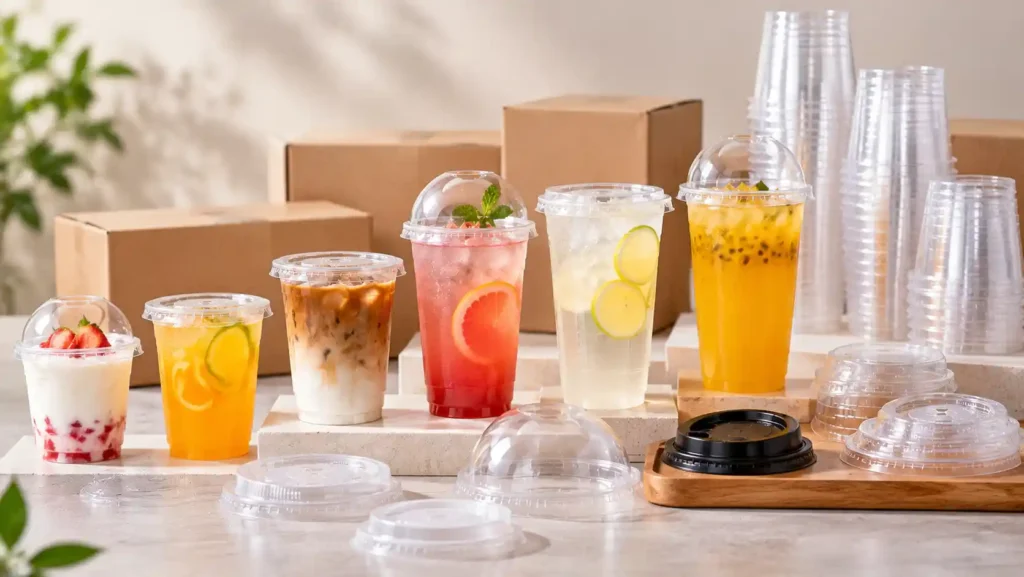
ProGreenPack supplies custom PP cups for beverage brands, cafés, foodservice operators, importers and packaging distributors. Available sizes on our current range run from 7oz to 32oz, with customized options reviewed against the required cup design. Depending on the selected model, PP cups may use injection-molded or thermoformed construction. Clear or custom-color options, branded artwork and IML decoration for suitable injection-molded designs help align the cup with your product presentation. We also list lids and practical accessories, including straws, sleeves, cup holders and spoons, so buyers can coordinate related packaging requirements in one project. To reduce avoidable mismatch before bulk production, confirm capacity, top and bottom diameters, height, cup weight and lid profile together. With packaging printing experience since 1990, ProGreenPack supports artwork coordination, production planning and repeat orders using the specifications approved for each project.

Explore PP Cups by Size and Project Need

Different frozen dessert formats require different cup structures, lid profiles and serving features. Choose the combination according to filling volume, topping height, retail format and freezer conditions.

7oz PP Cups

A compact format for smaller beverage servings, tasting programs and menu items where the selected model fits.

9oz PP Cups

Practical mid-small sizes for portion-conscious drinks and foodservice use; confirm rim and height by model.

12oz PP Cups

An everyday beverage option for cafés and takeaway service, with dimensions checked against the required lid.

16oz PP Cups

A versatile capacity for popular cold drinks, smoothies and branded beverage programs.

20oz PP Cups

Larger formats for generously served drinks; compare cup height, weight and carton dimensions before ordering.

32oz PP Cups

A large-capacity option for selected beverage applications where the chosen cup structure meets handling needs.

PP Cup Details That Matter in Daily Service

A practical PP cup needs more than the right capacity. Rim quality, base stability, cup structure, decoration and lid compatibility all affect how the product performs during filling, serving, storage and takeaway handling.

Smooth Rim Finish

A clean rim supports comfortable mouth contact and more consistent lid contact.

Stable Cup Base

A thicker base profile helps the cup stand steadily on serving surfaces.

Transparent Cup Body

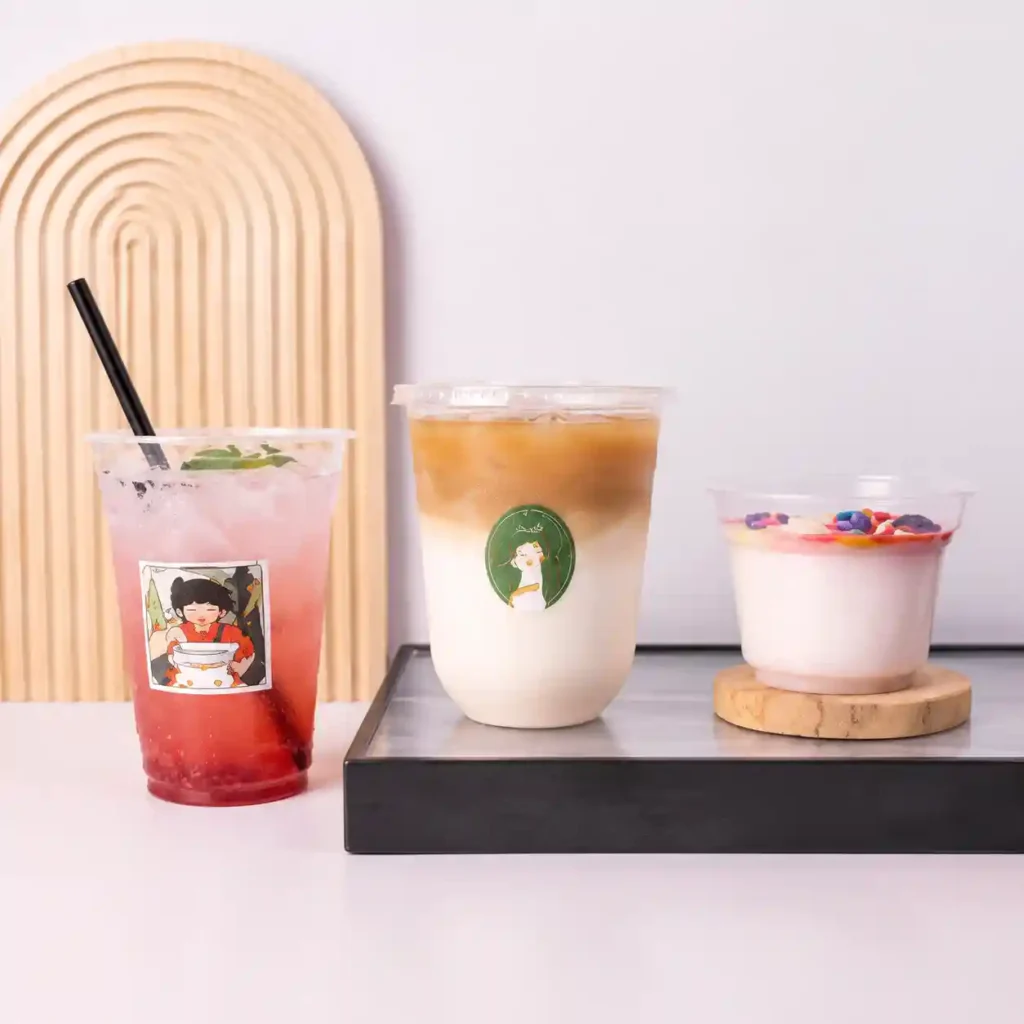
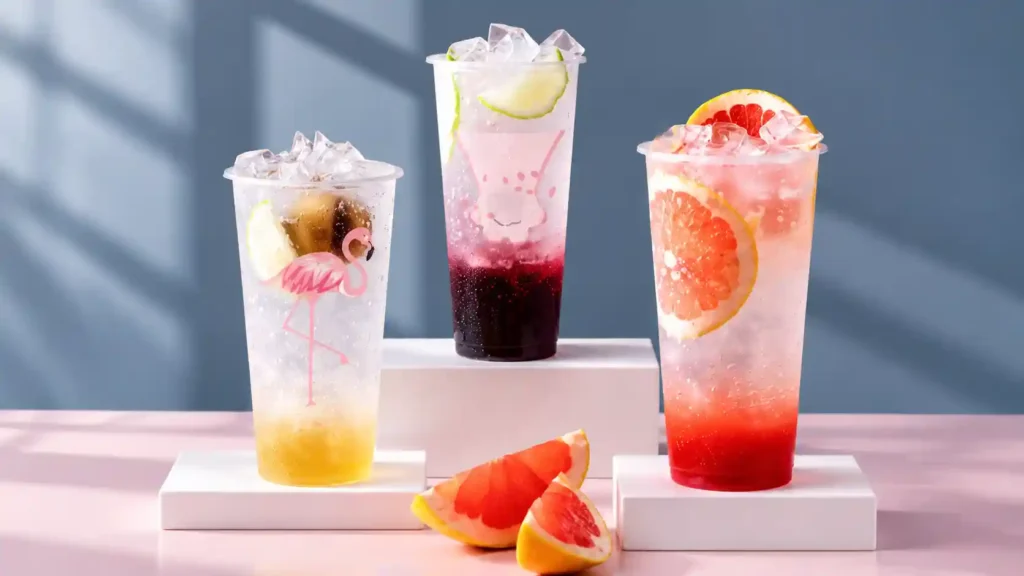
Clear PP helps display drink layers while retaining a lightweight cup format.

Custom Color Options

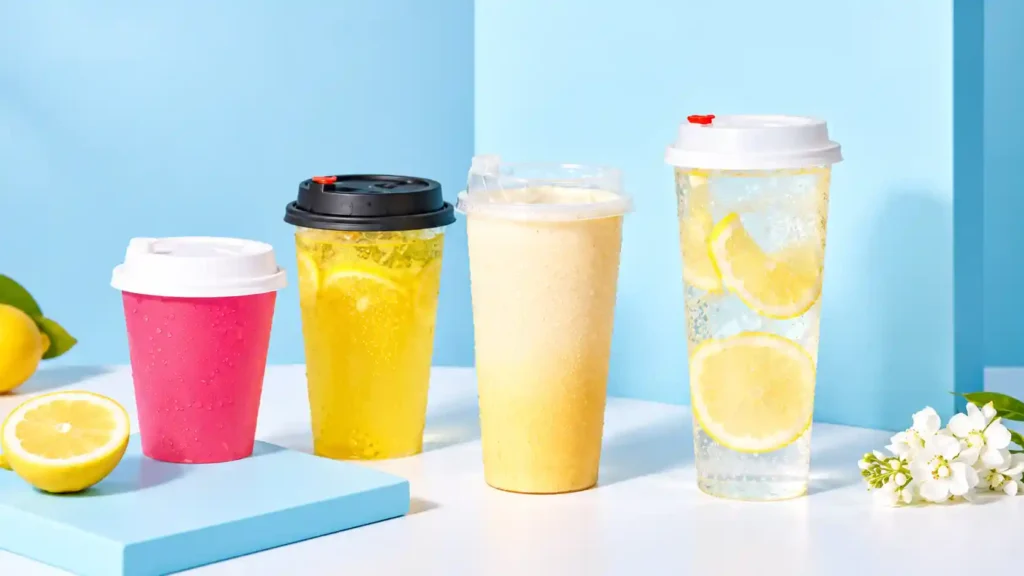
Coordinate cup colors with brand identity and promotional campaigns.

Multiple Size Choices

Listed sizes from 7oz to 32oz support different serving plans.

Brand Decoration Choices

Review suitable printing, IML or finish options against the selected cup structure.

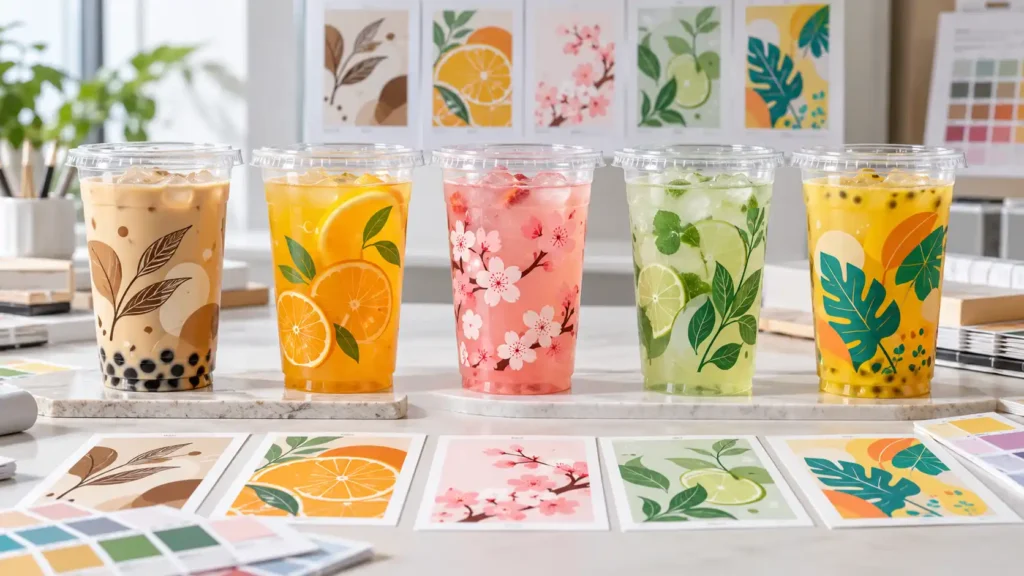
Keep Multi-Flavor Designs Consistent Across Repeat Orders

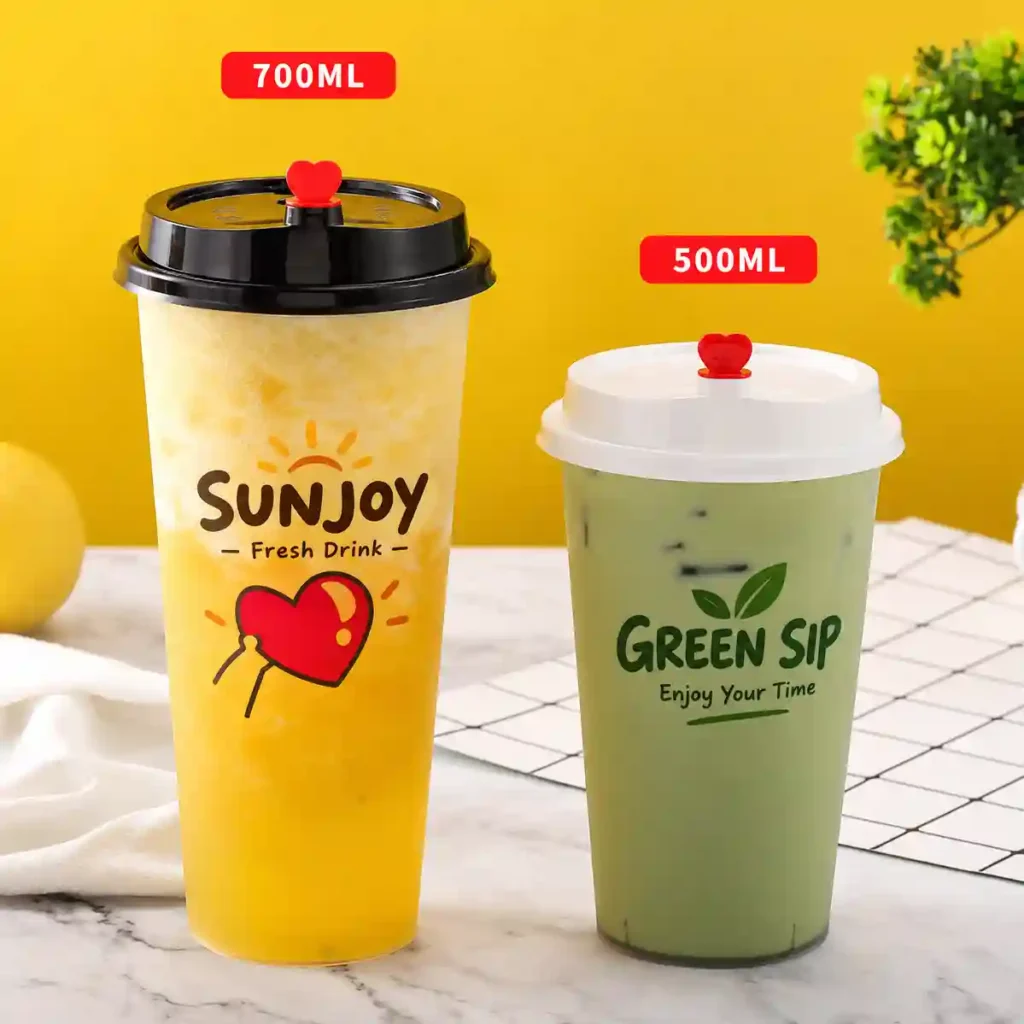
Drink brands often launch several flavors or seasonal designs while keeping the same cup size. ProGreenPack can organize each approved artwork against a shared cup specification, helping keep logo position, print layout and color references aligned across the range. Our packaging printing experience dates to 1990, and our team supports artwork and color review before production. Confirmed design files and cup details can then serve as a clearer reference for subsequent orders.

Check Cup and Lid Fit as One System

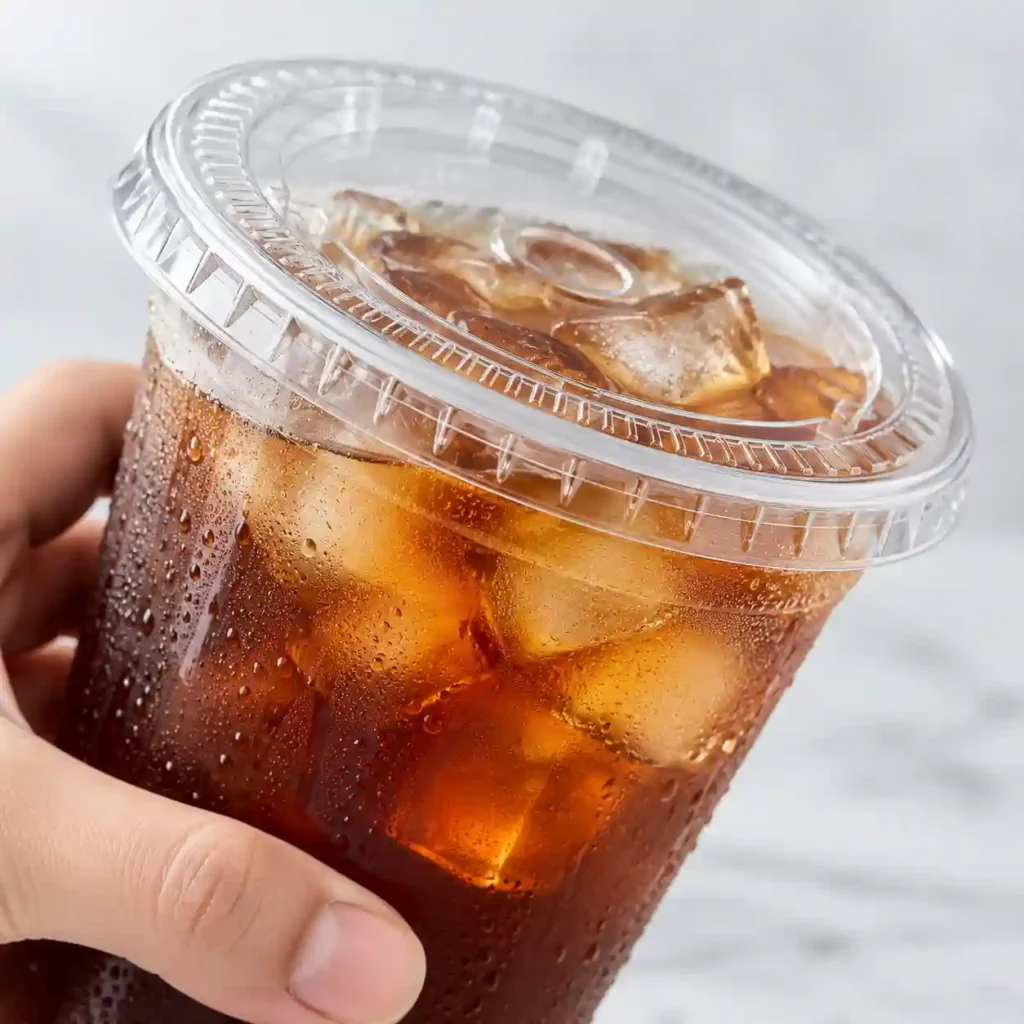
A lid that looks close in diameter may still fit poorly if the rim profile or locking edge differs. Before bulk production, confirm the cup’s top diameter, rim shape and the lid’s matching dimensions; if you already hold lid inventory, provide a drawing or physical sample for review. Check the actual cup-and-lid combination for secure closure and practical opening. This step helps identify mismatch risks before a large order is packed and shipped.

Manufacturing and Printing Experience Behind Your PP Cups

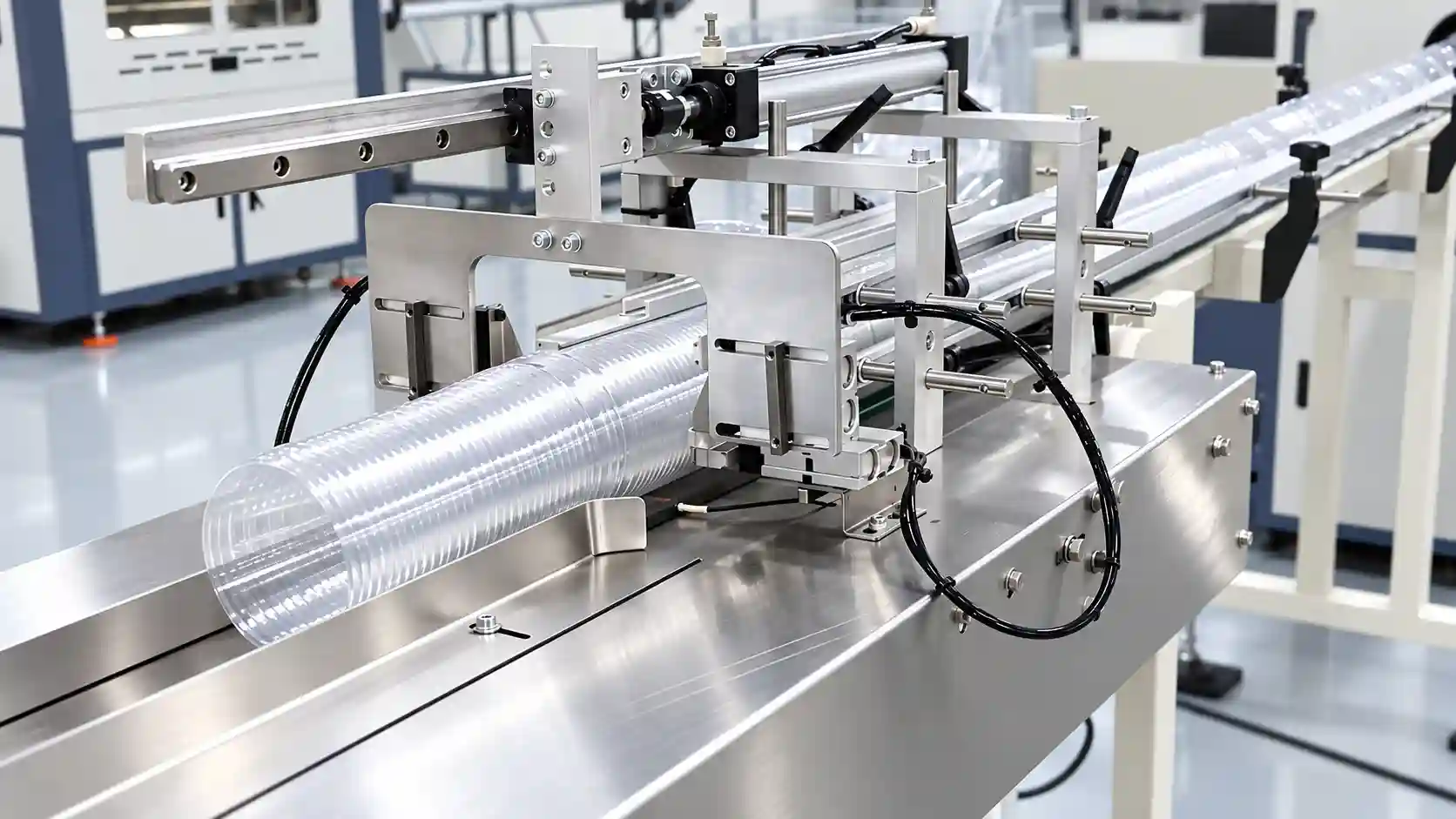
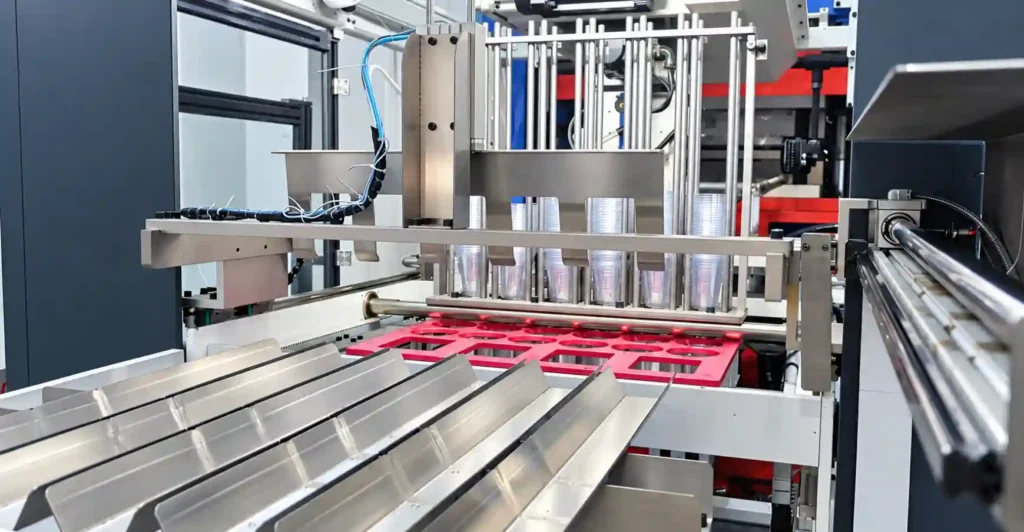
ProGreenPack has worked in food and beverage packaging printing since 1990. Our production base includes 8 dedicated workshops and more than 50 production machines, with 8-color flexographic printing and teams covering artwork, printing and color calibration. For PP cup projects, we coordinate available cup structures, custom artwork, lid requirements and export packing information around the confirmed specification. This broader packaging experience helps buyers manage cup sourcing alongside related packaging needs and provides a clearer reference for repeat orders.

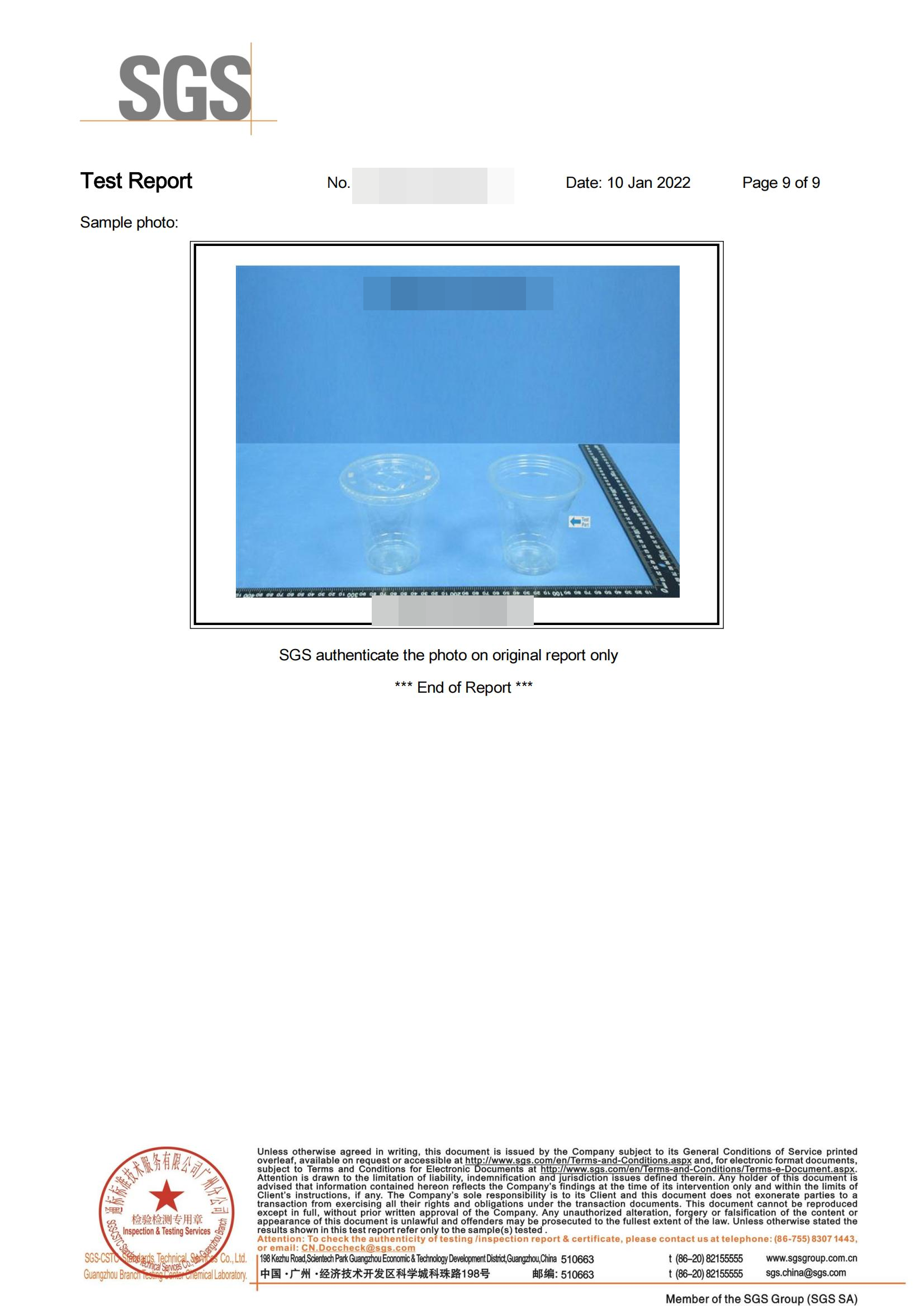
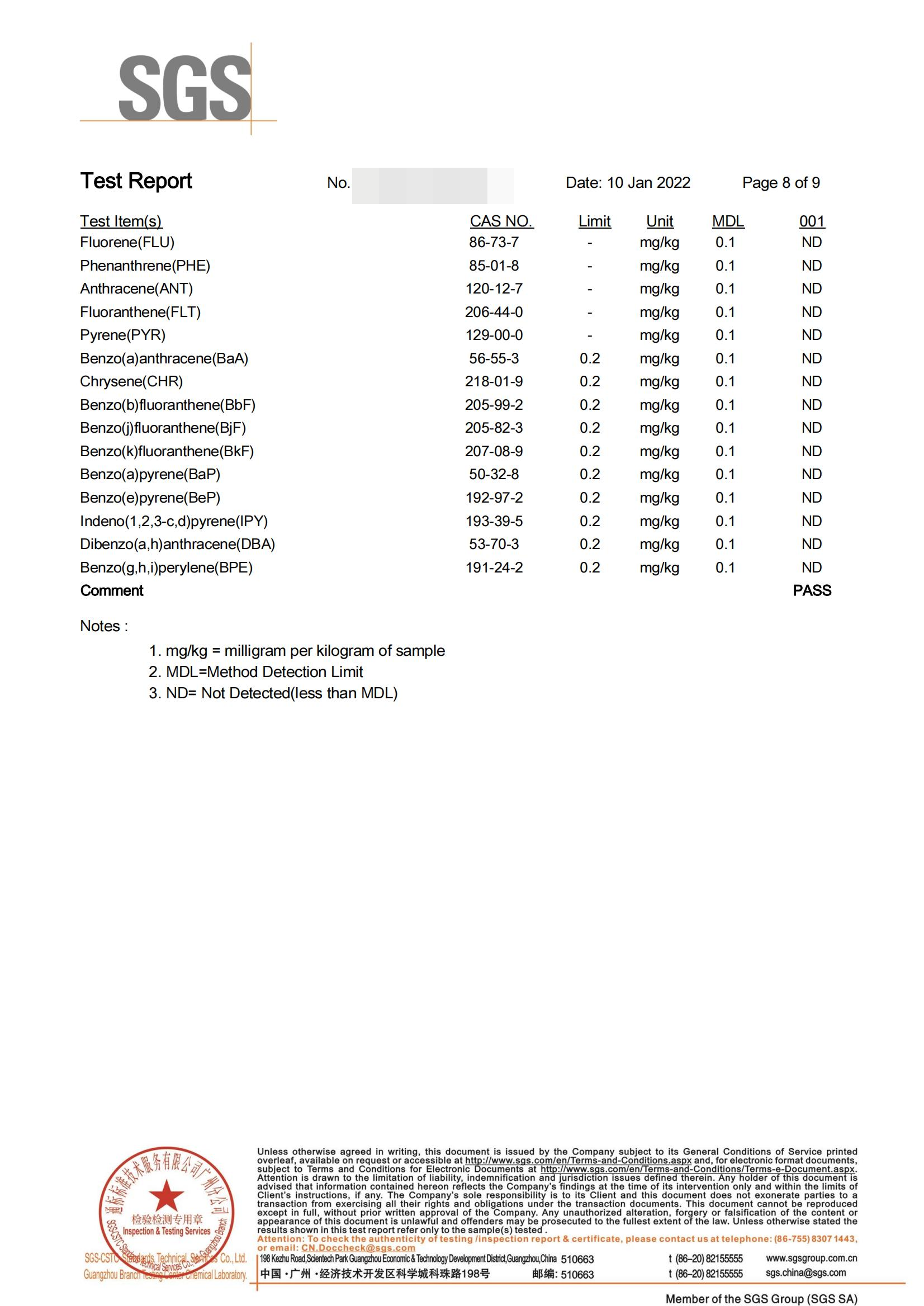
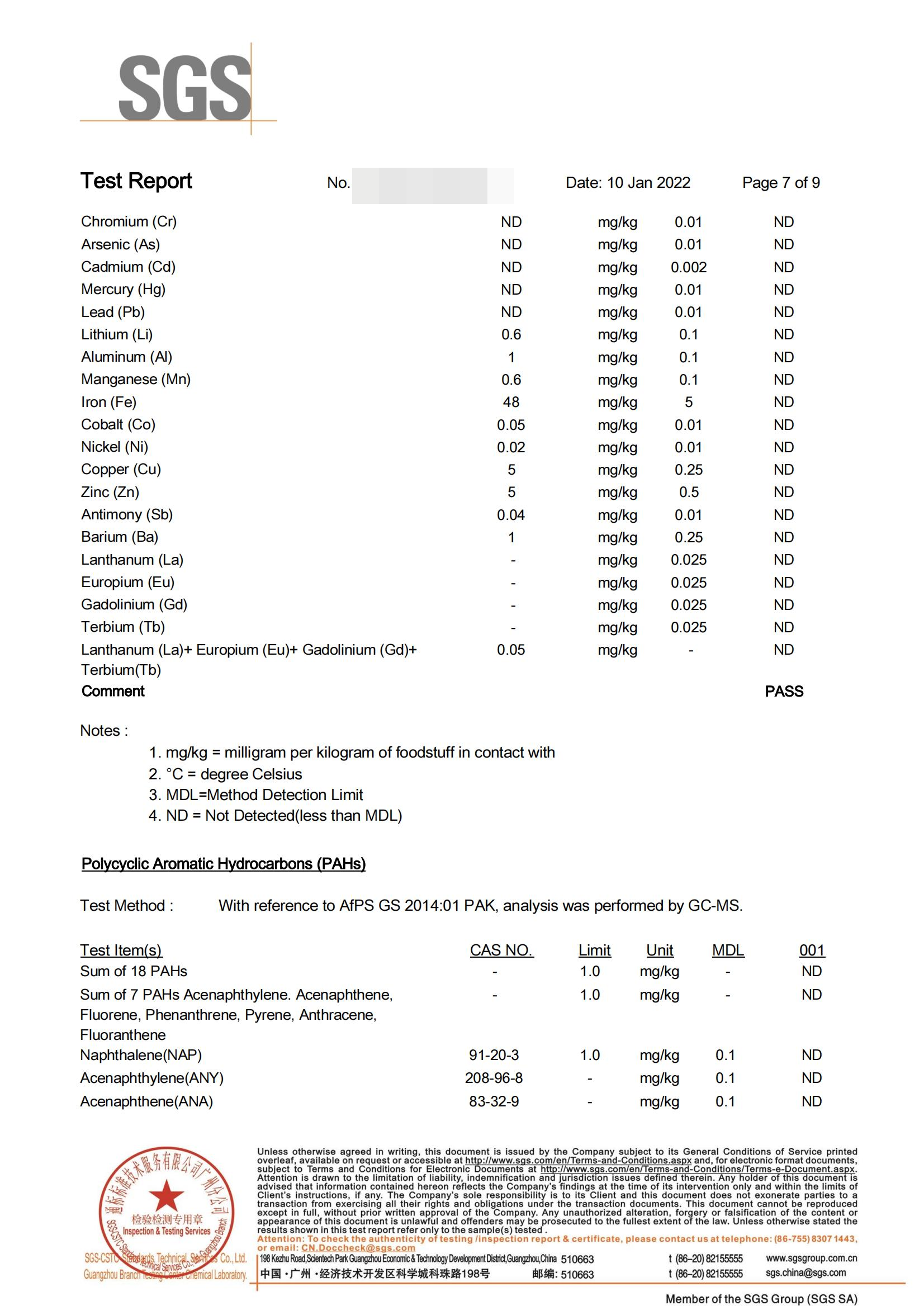
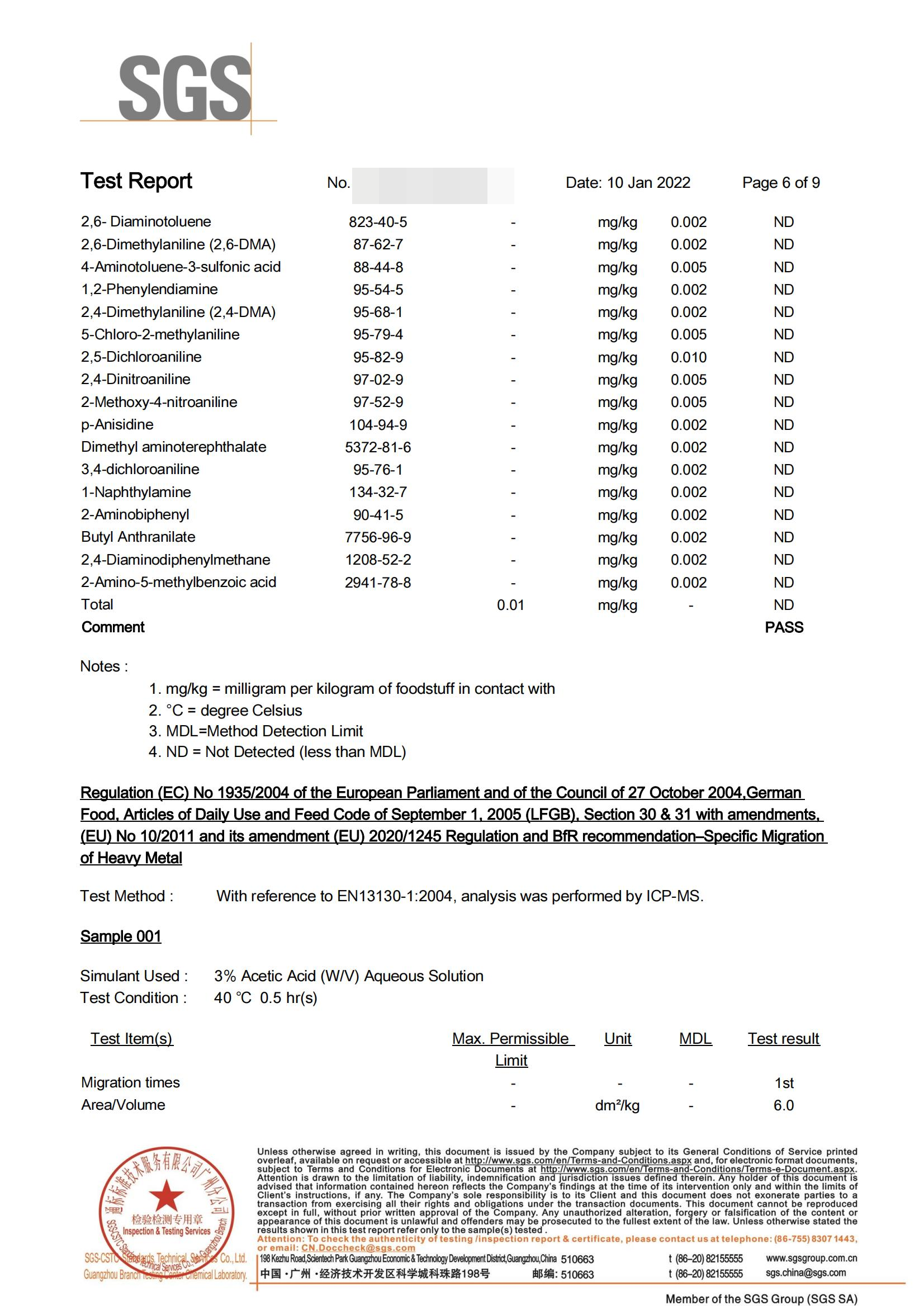
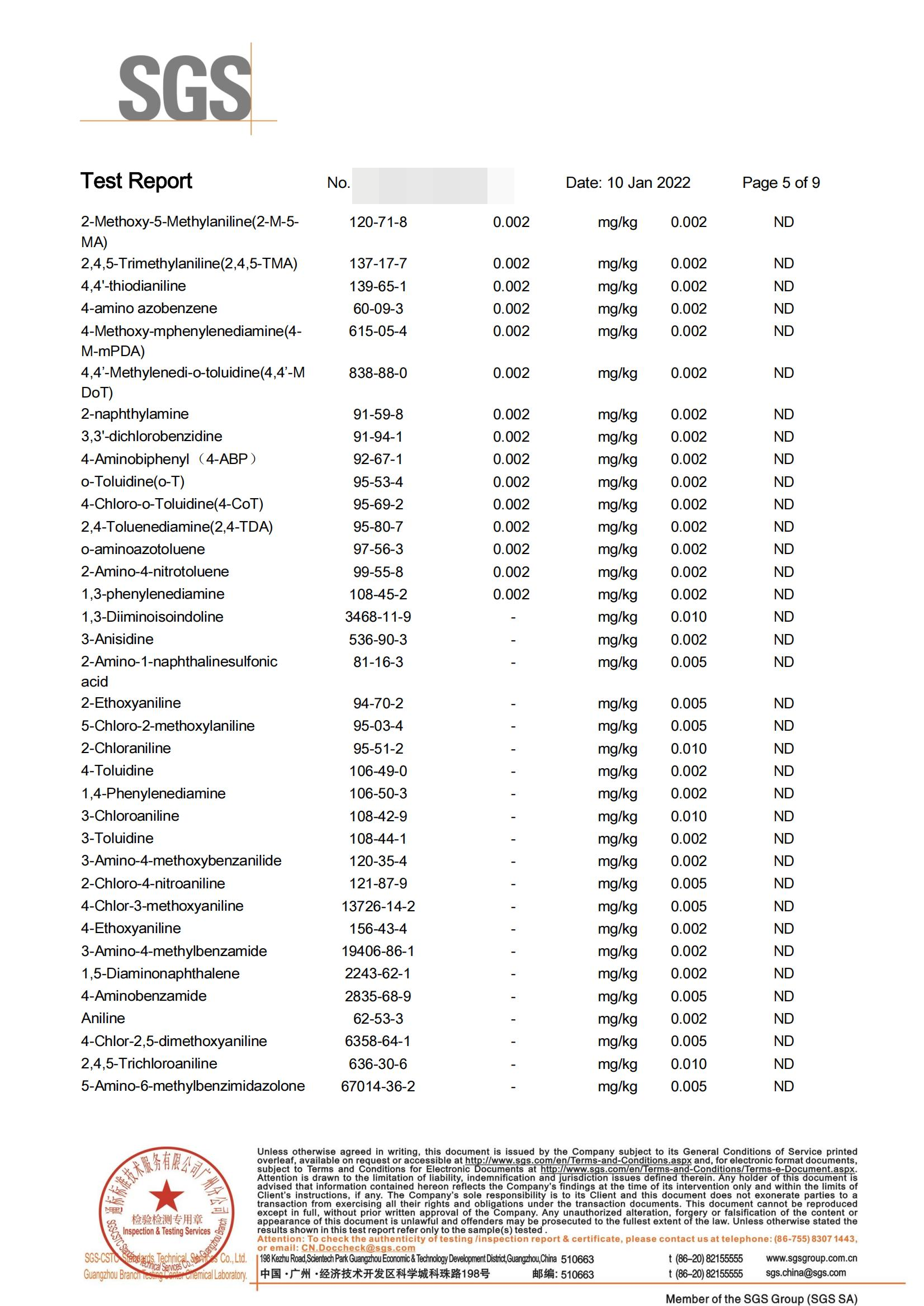
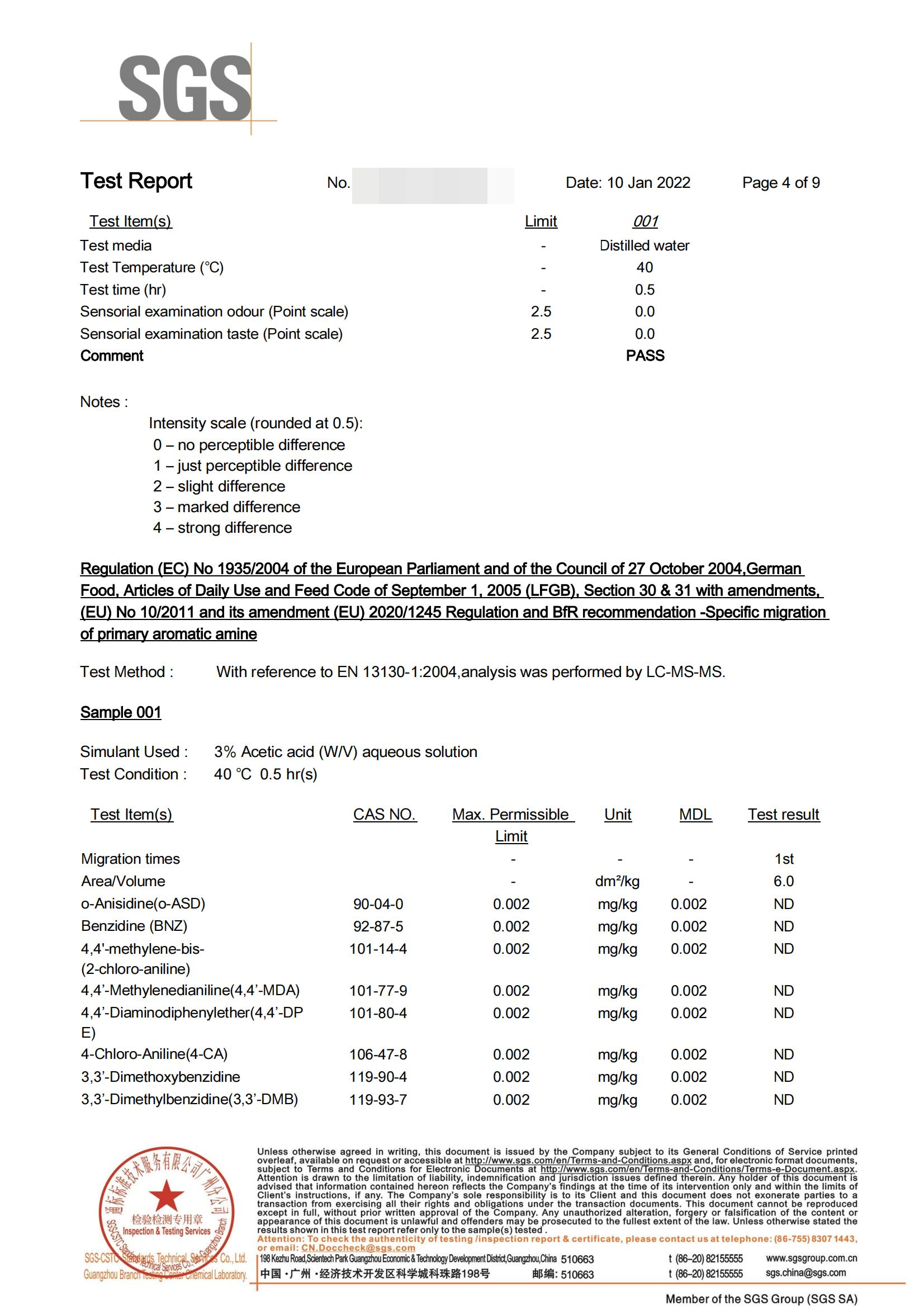
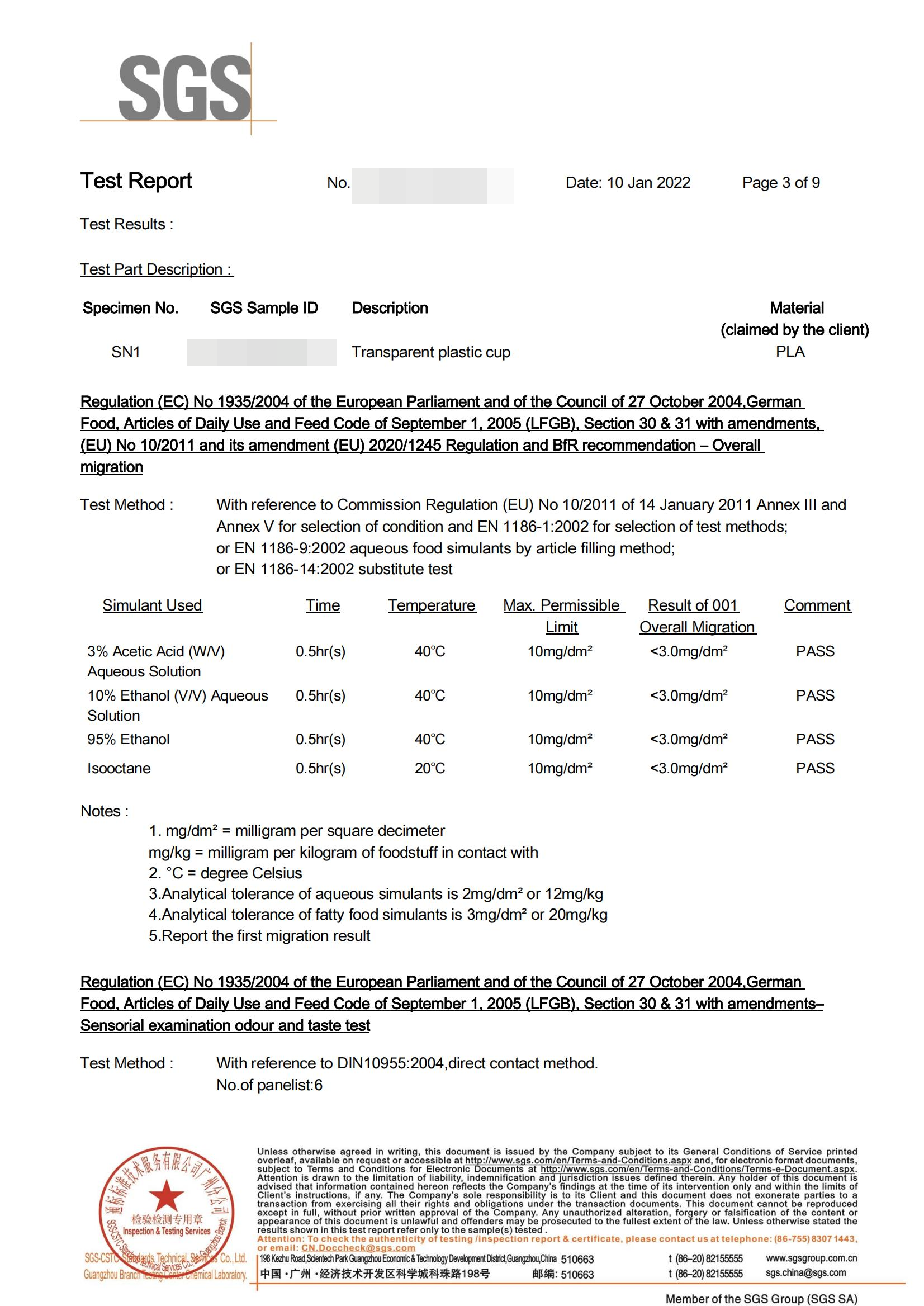
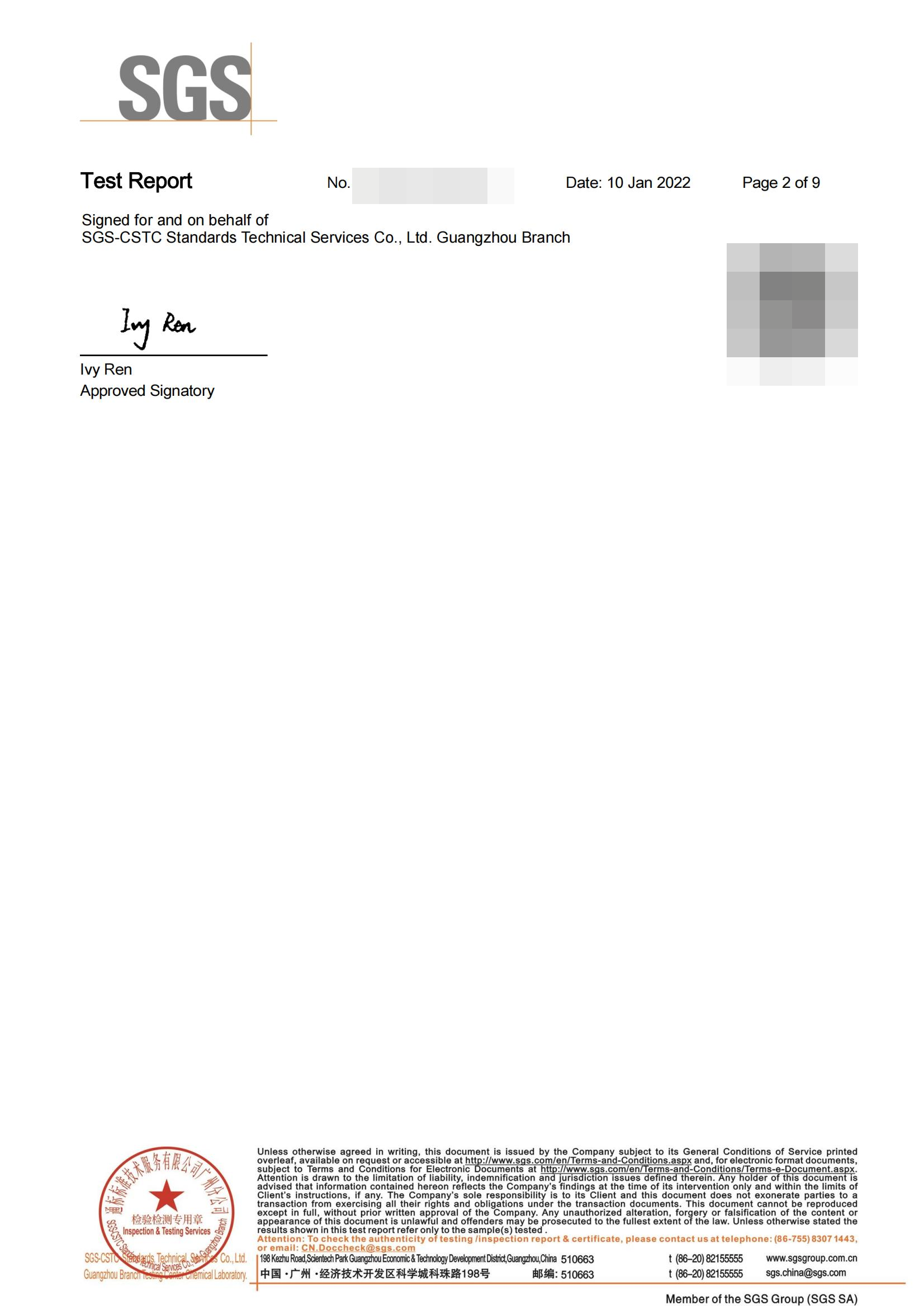
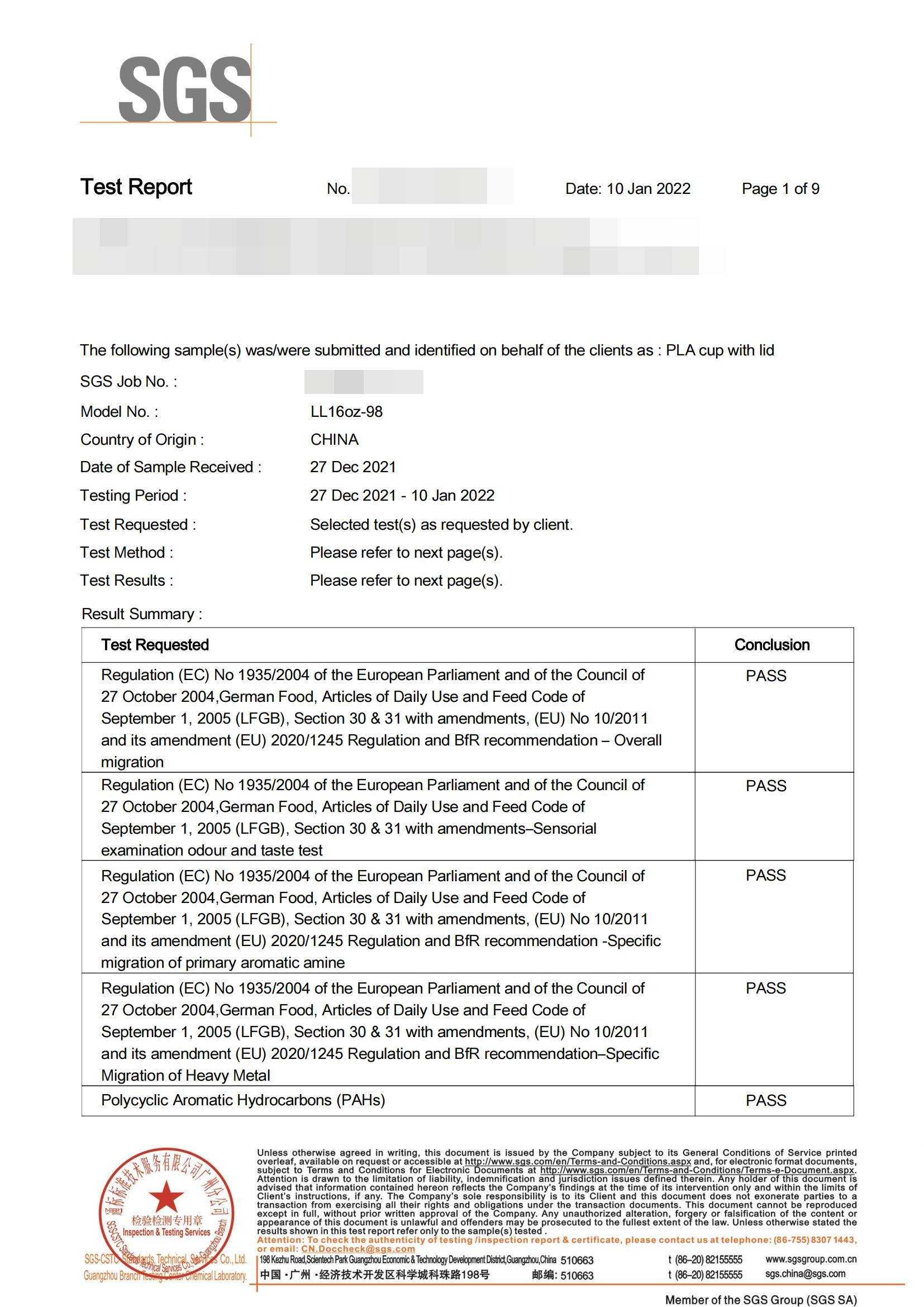
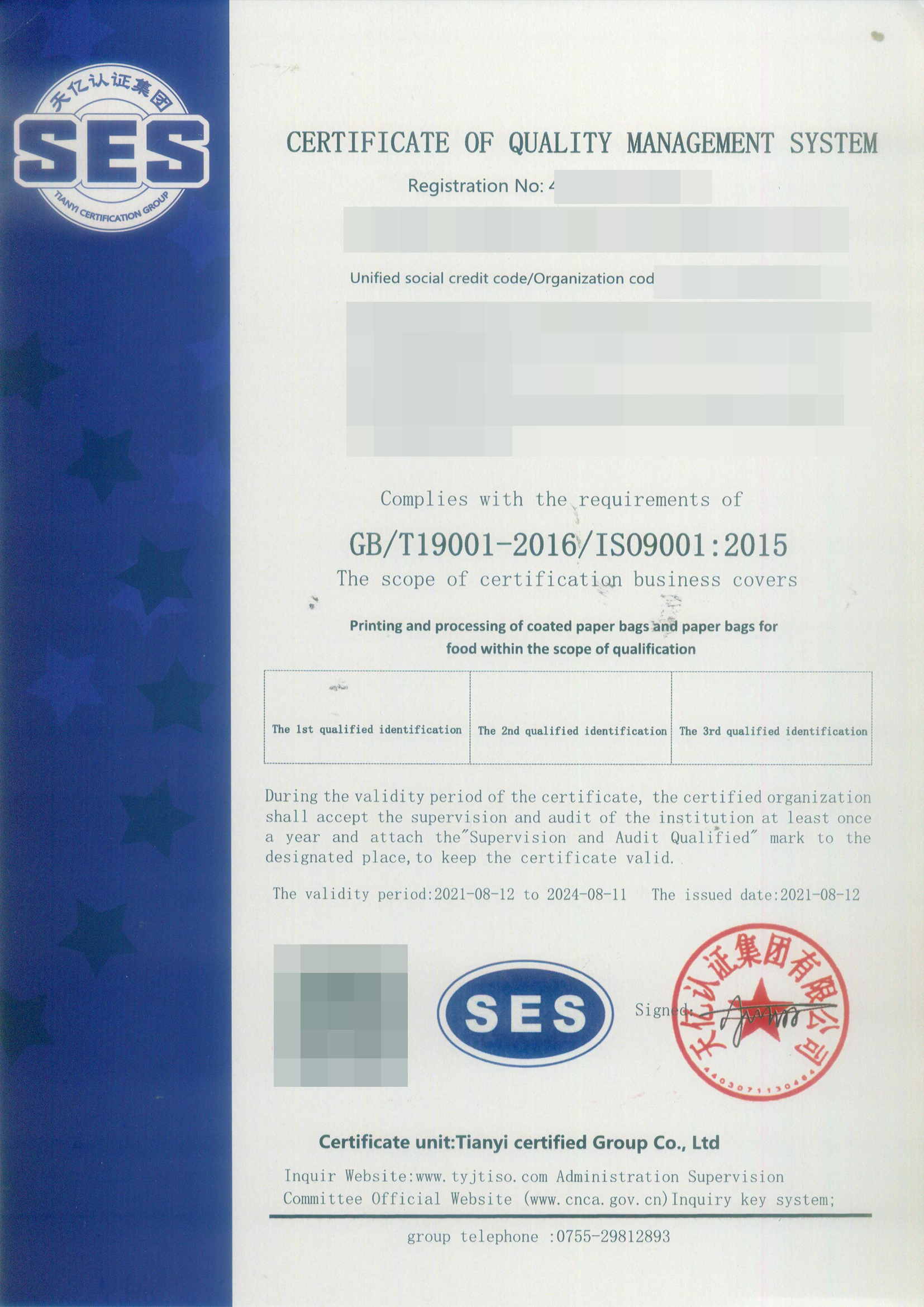
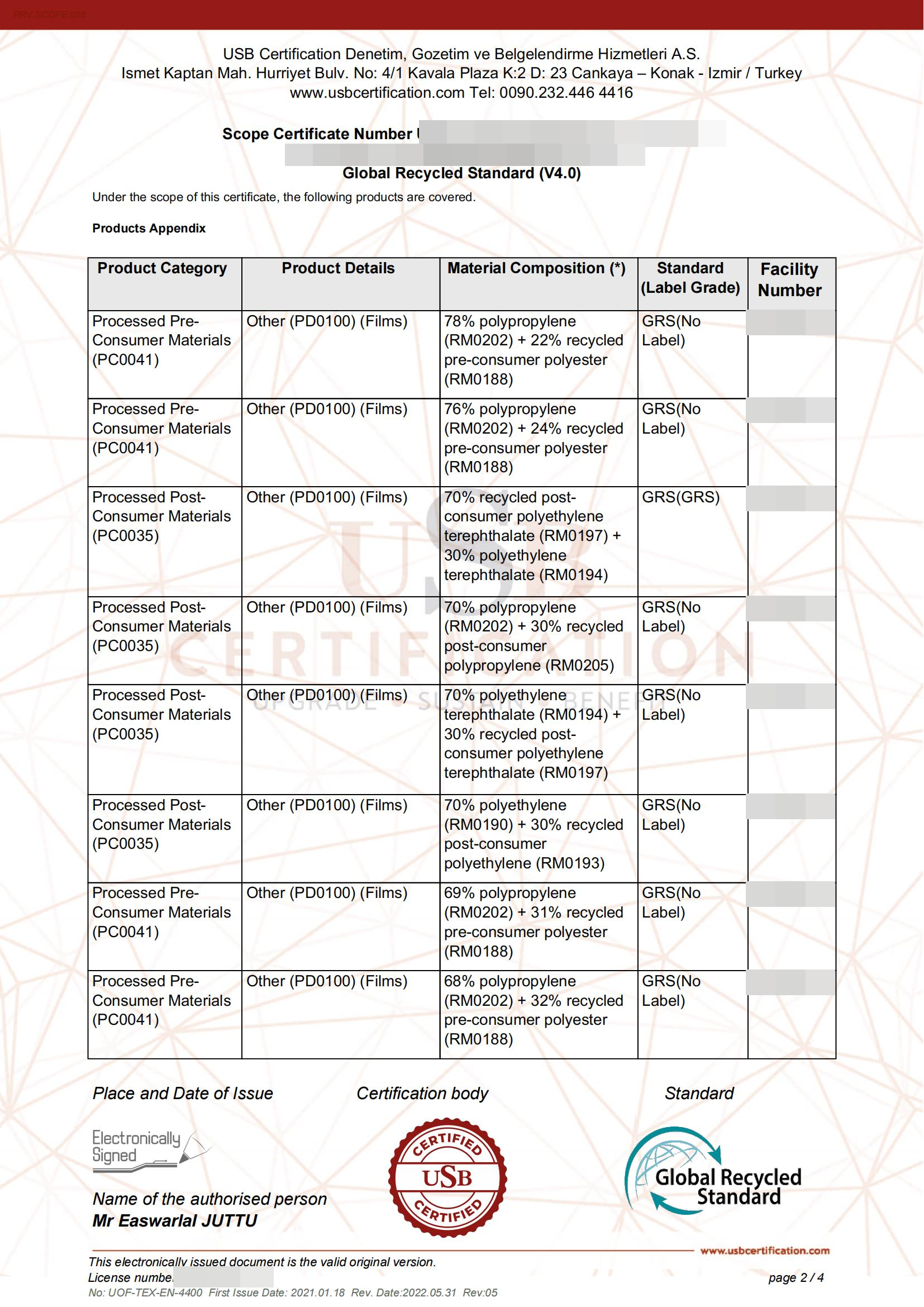
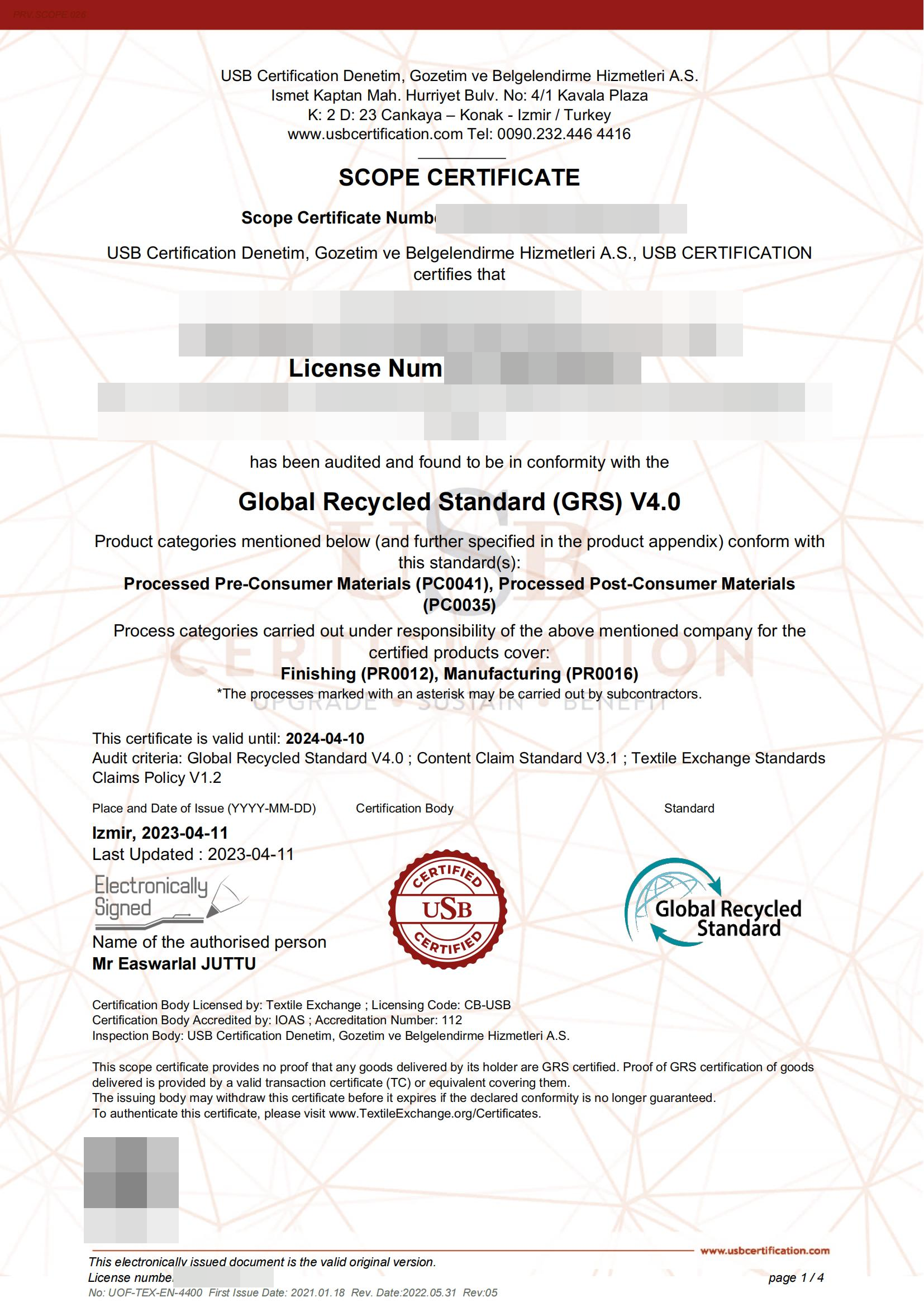
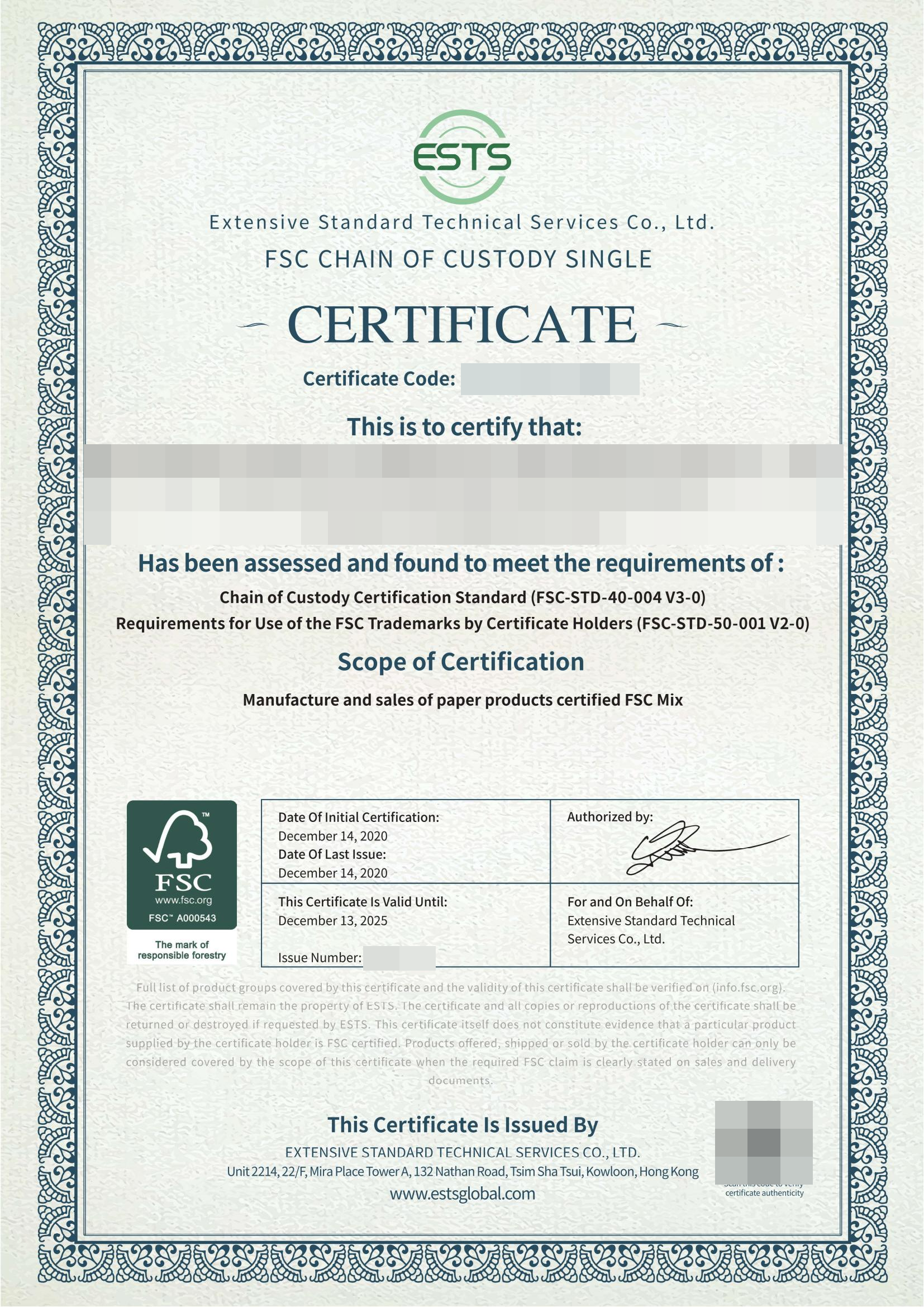
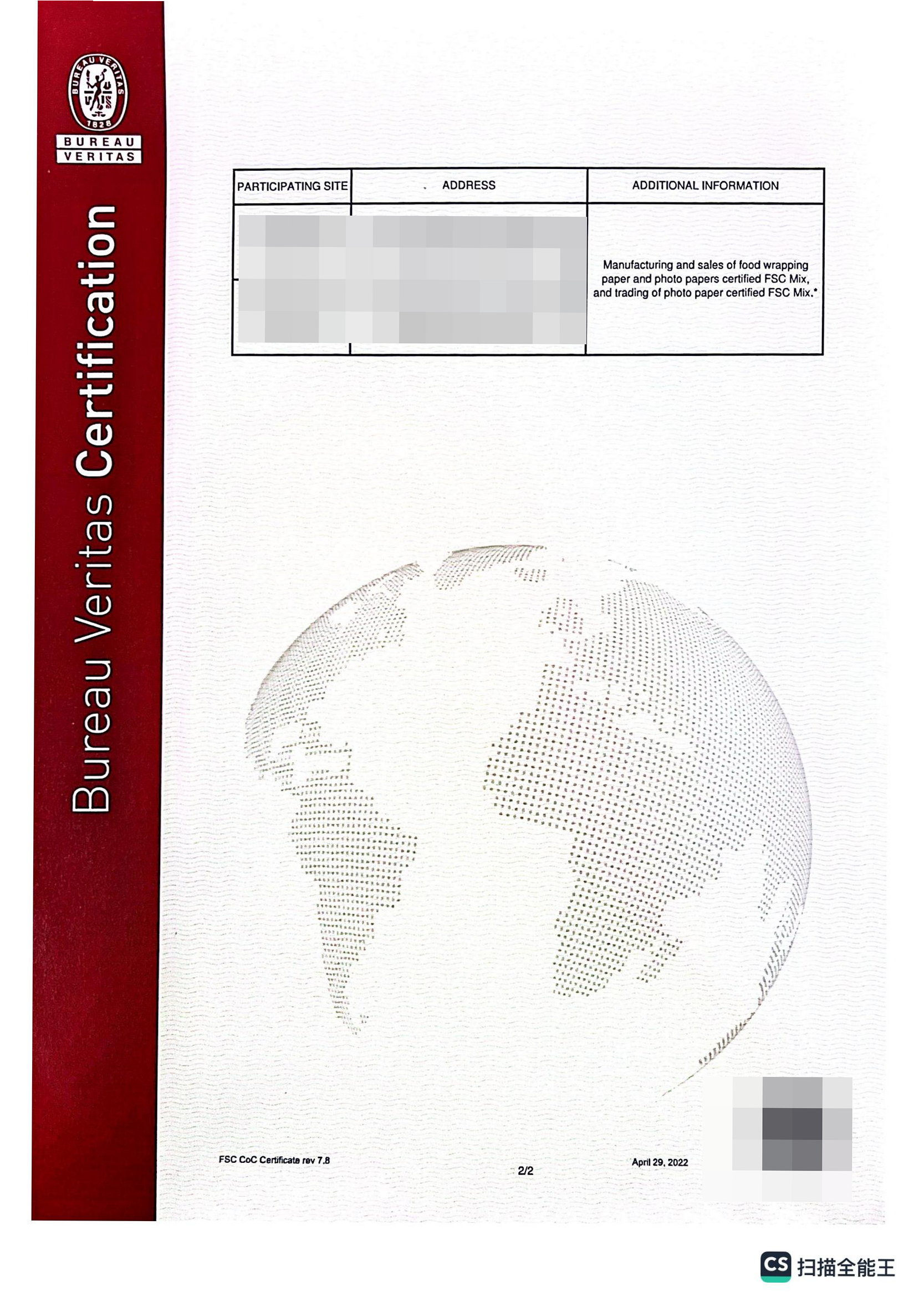
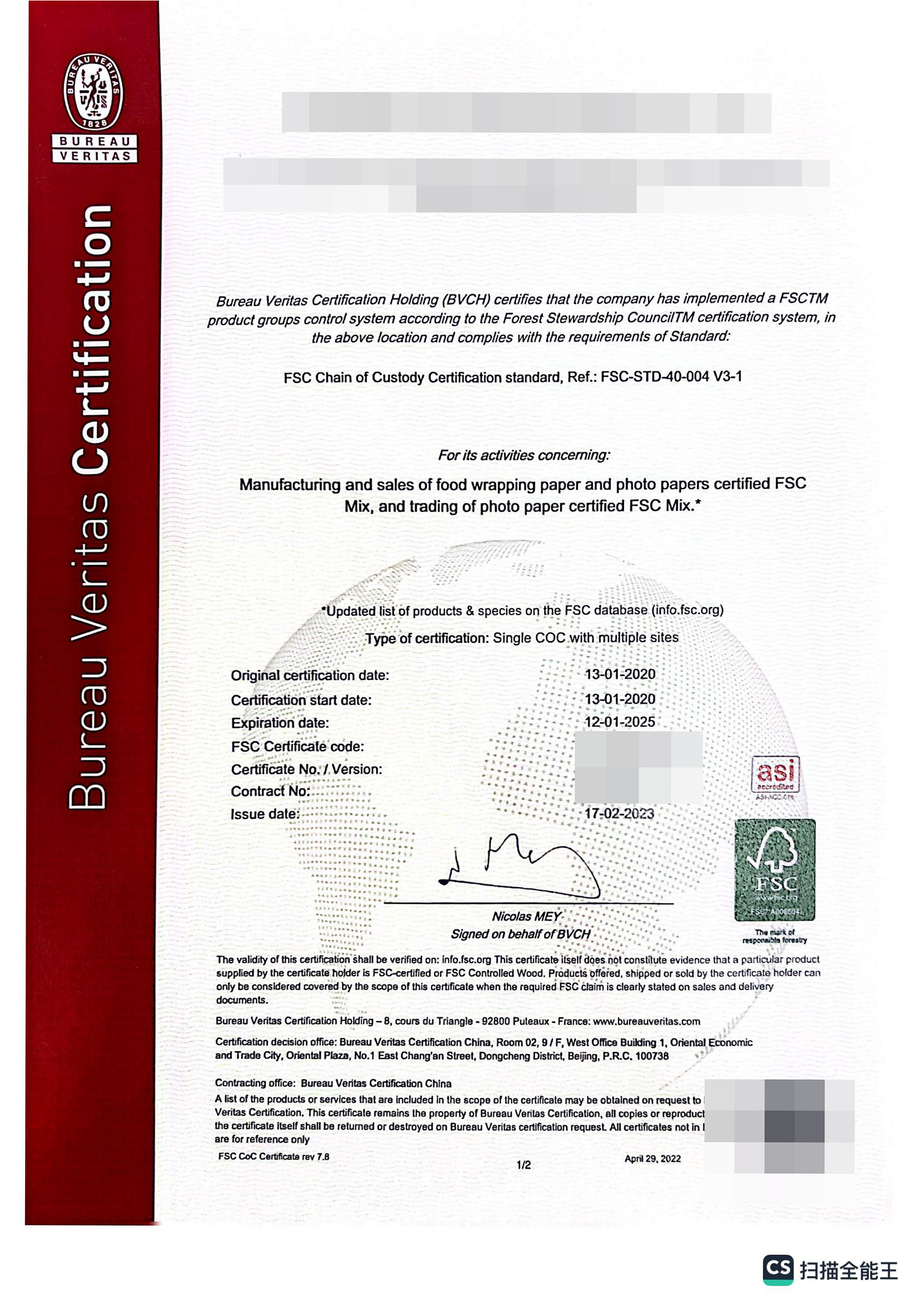
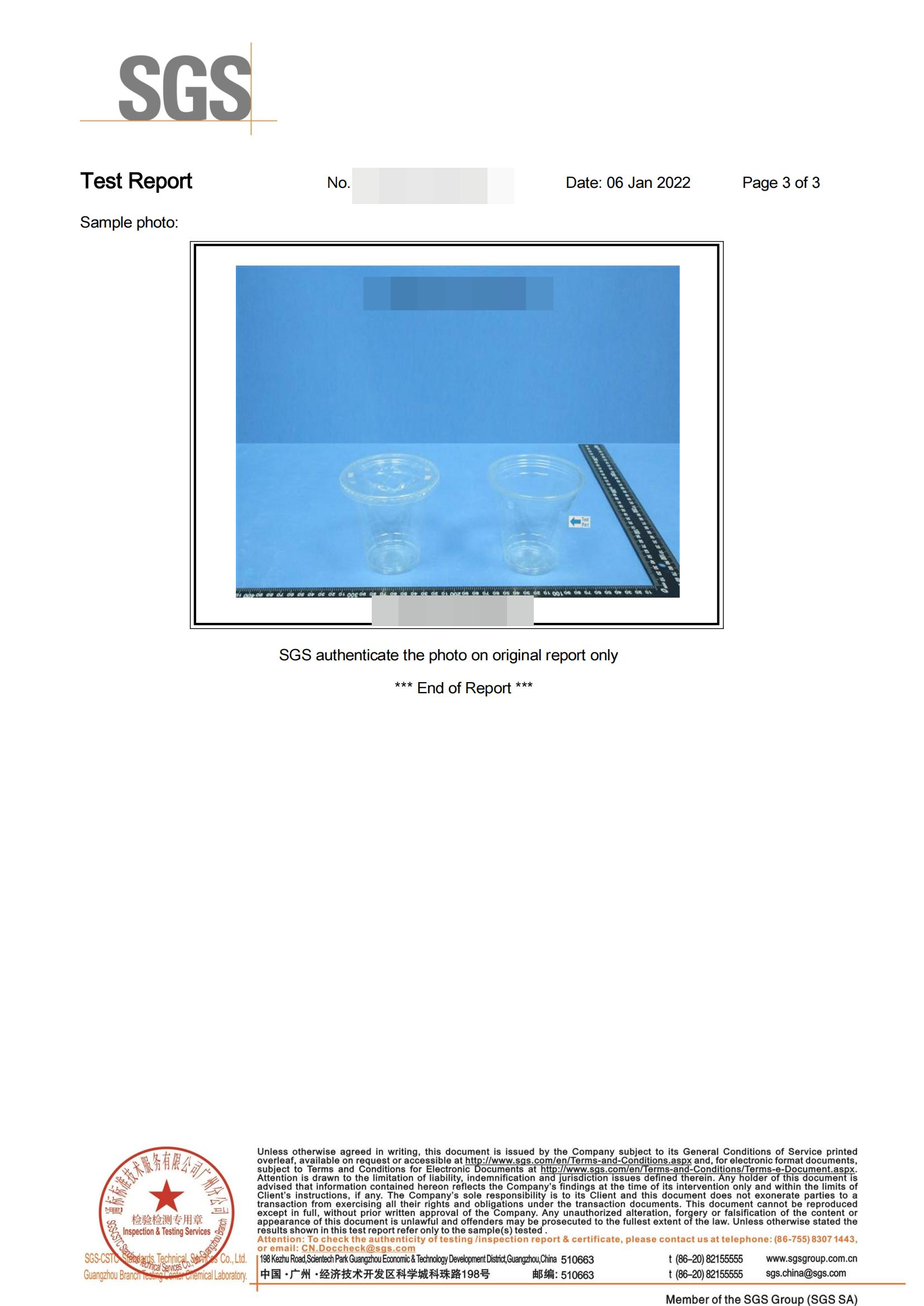
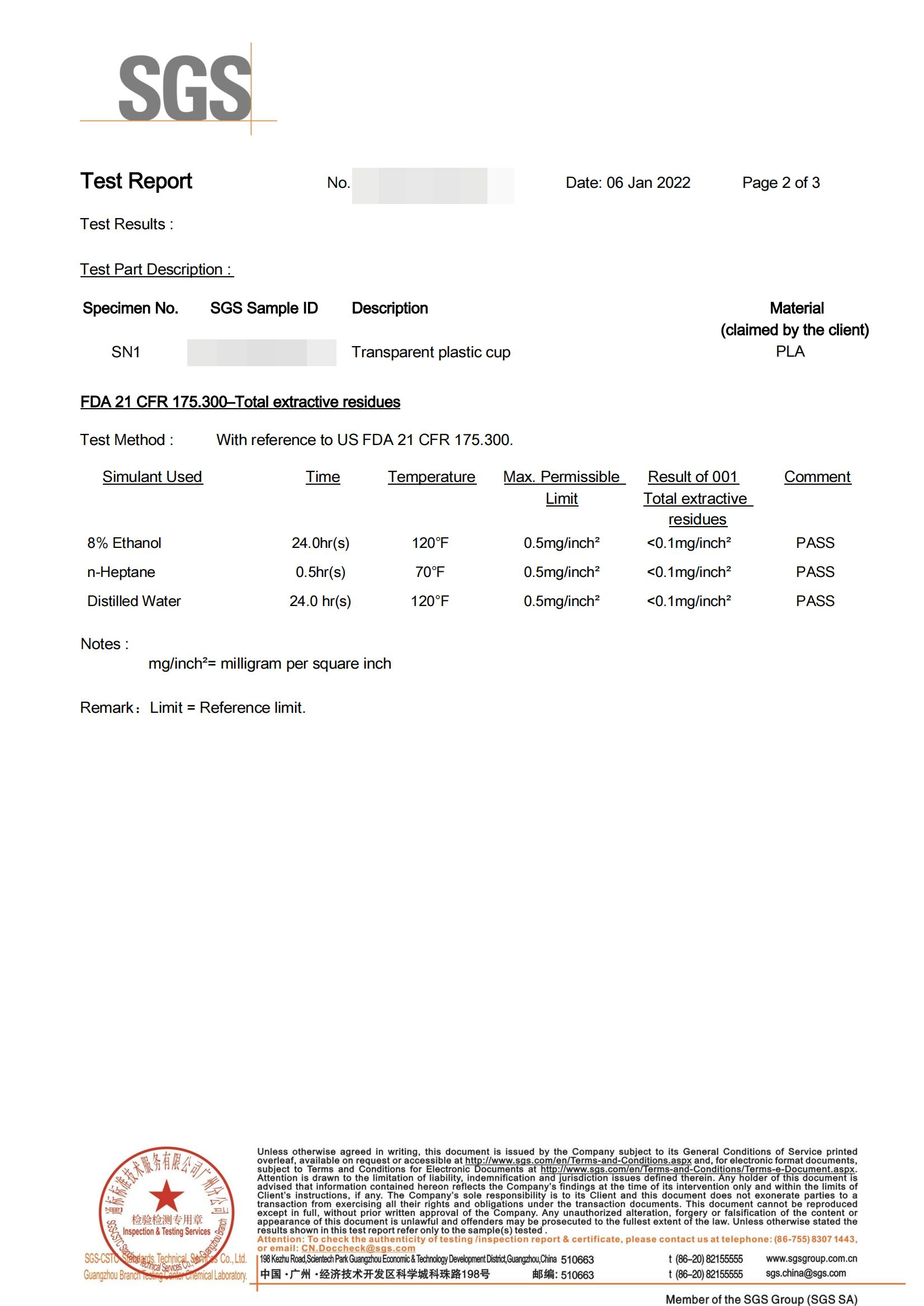
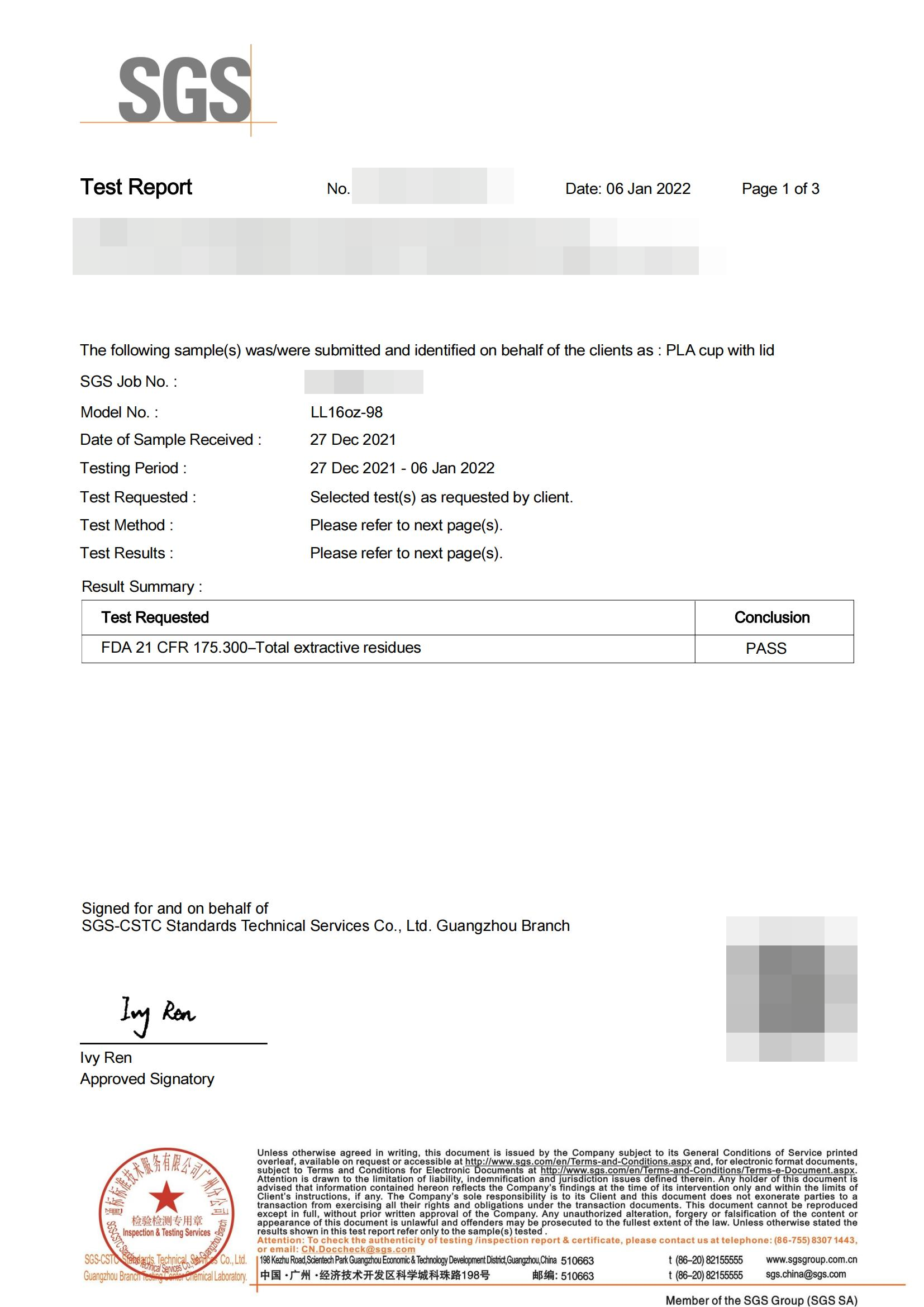
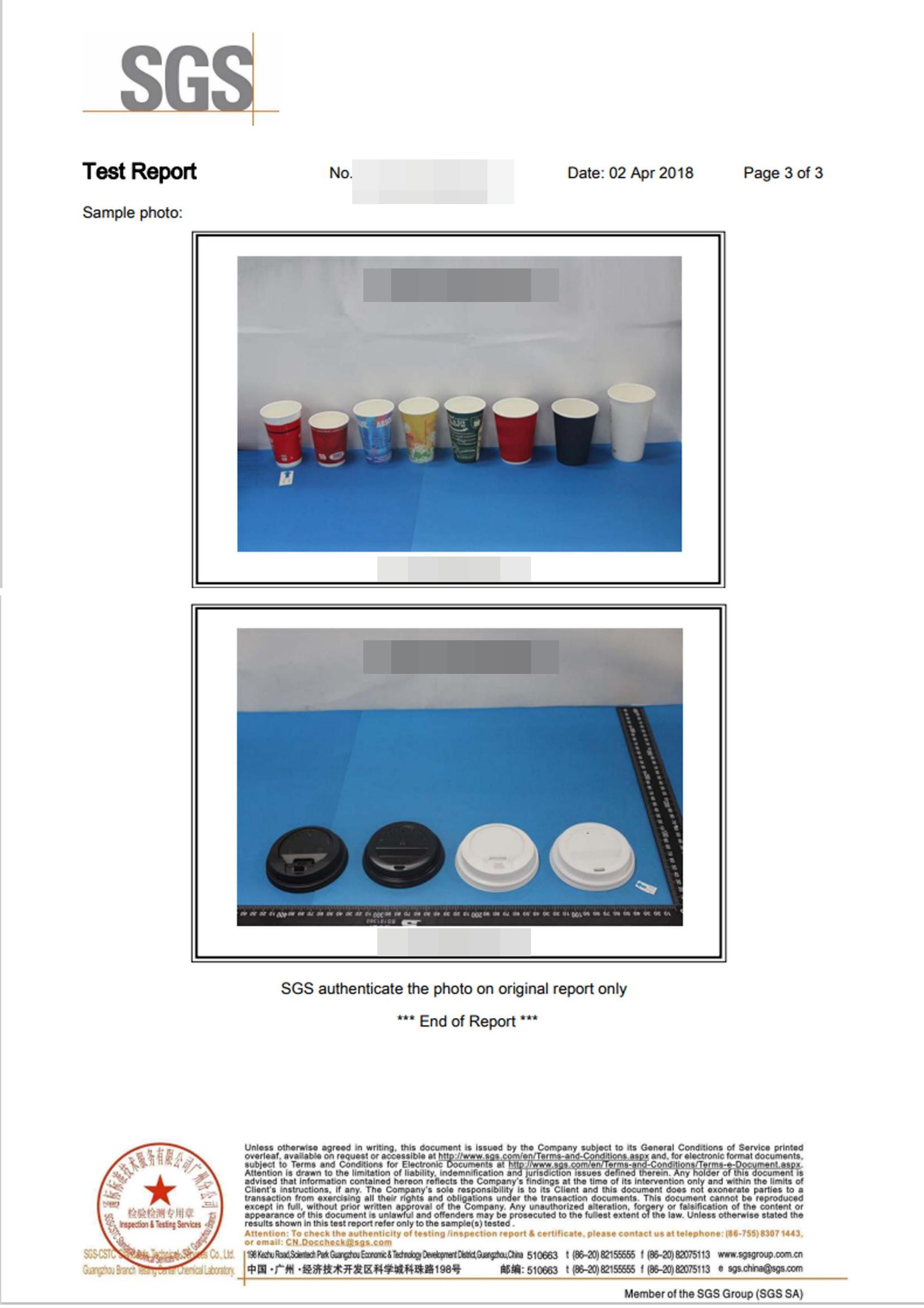
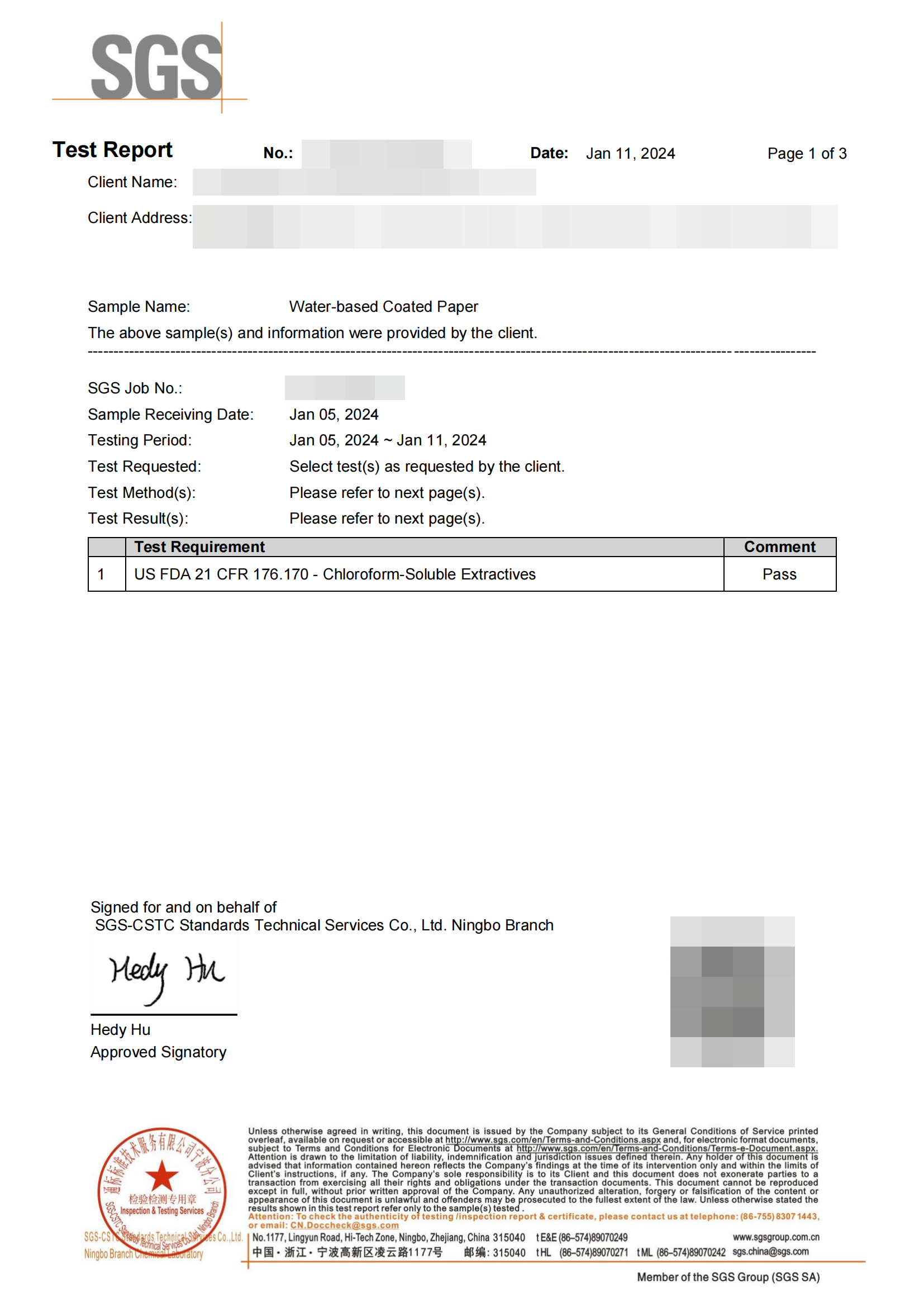
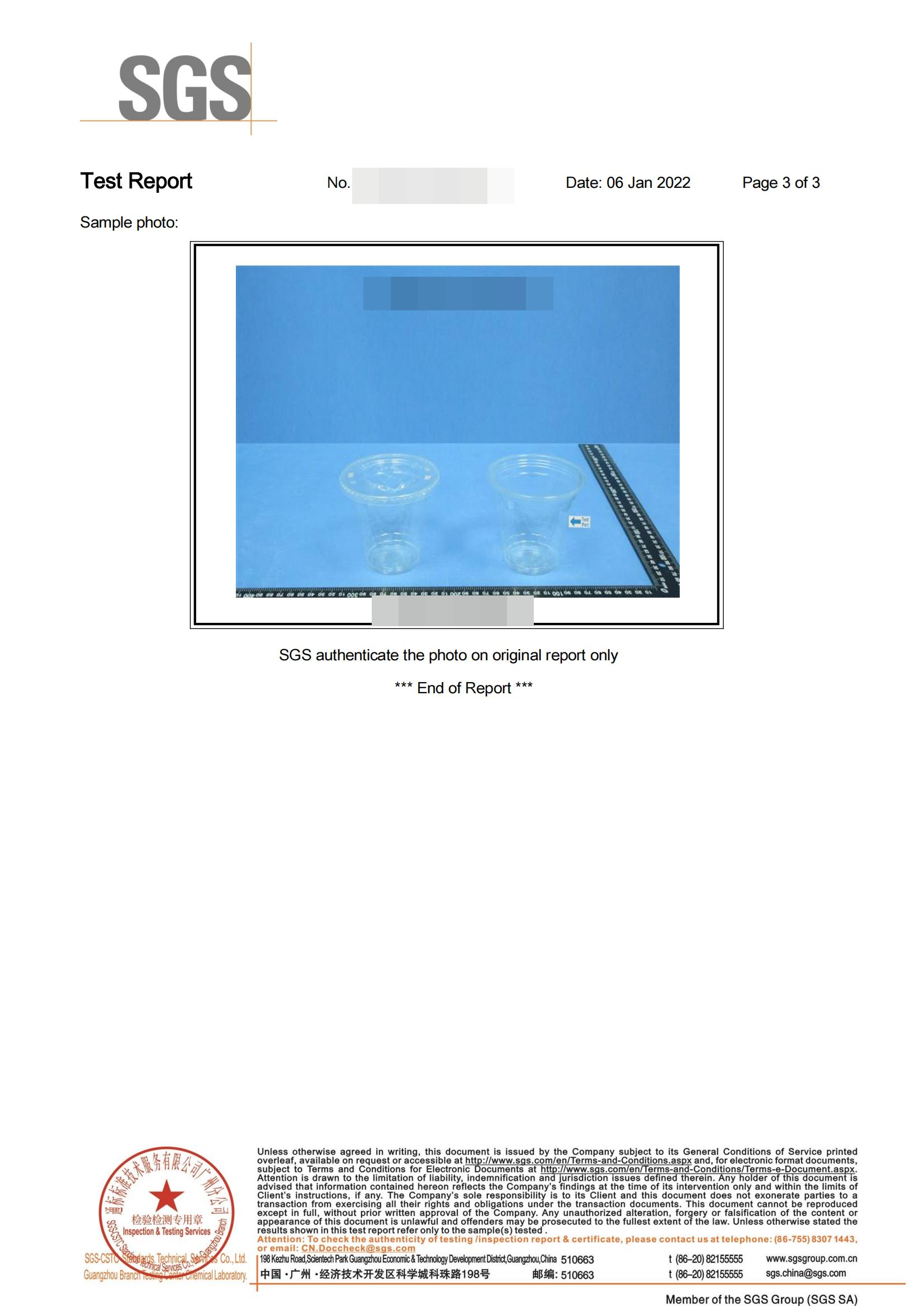
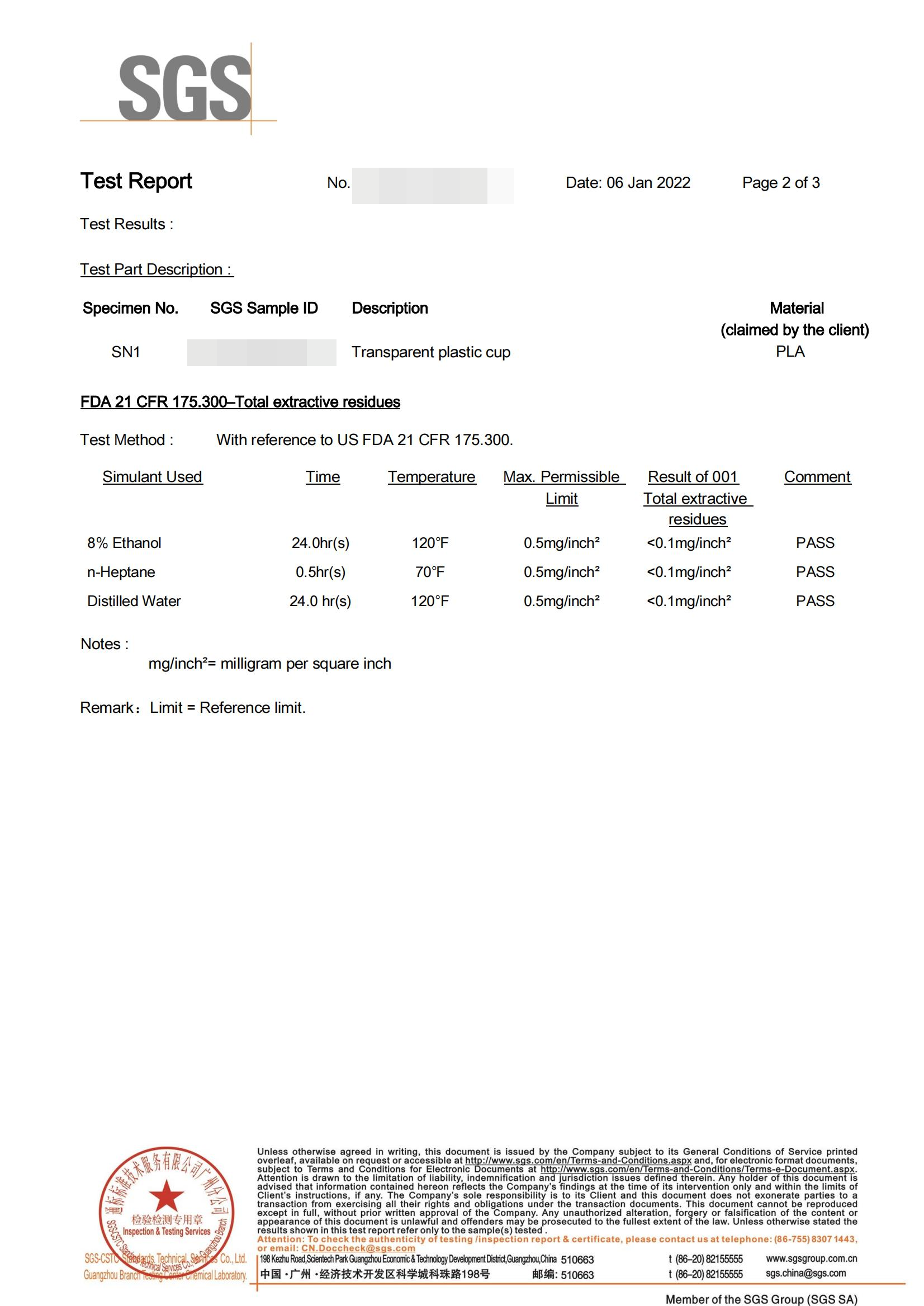
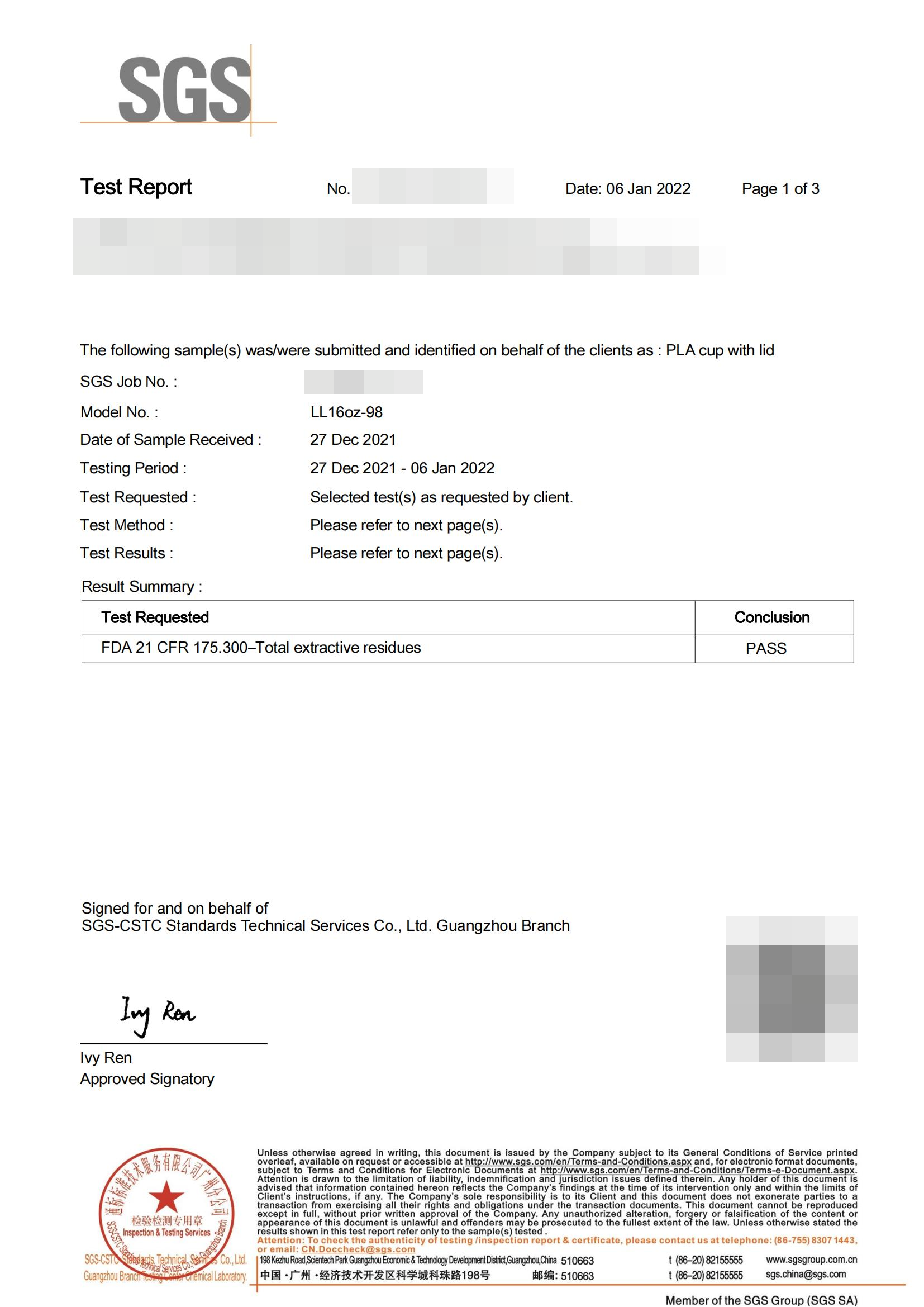
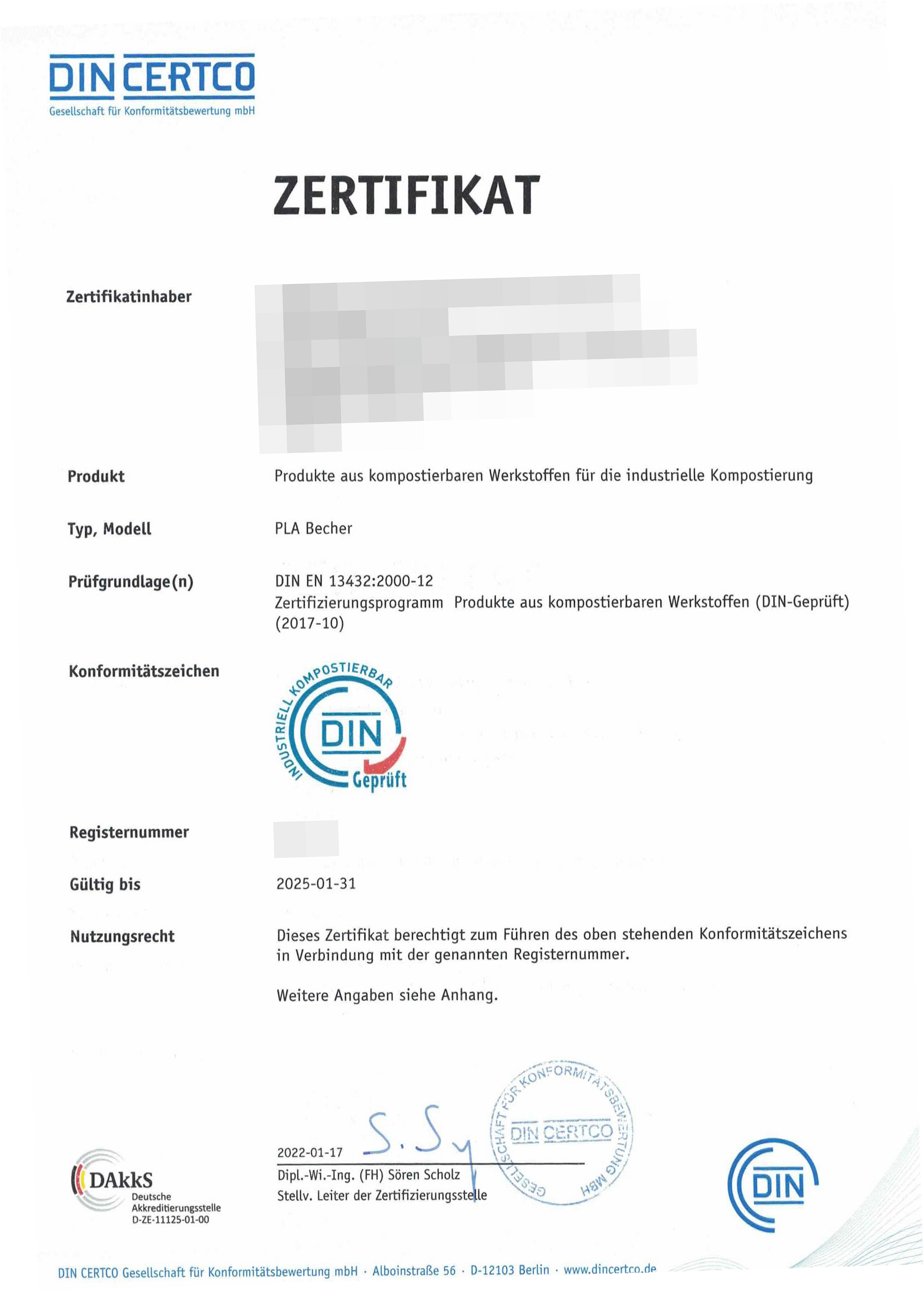
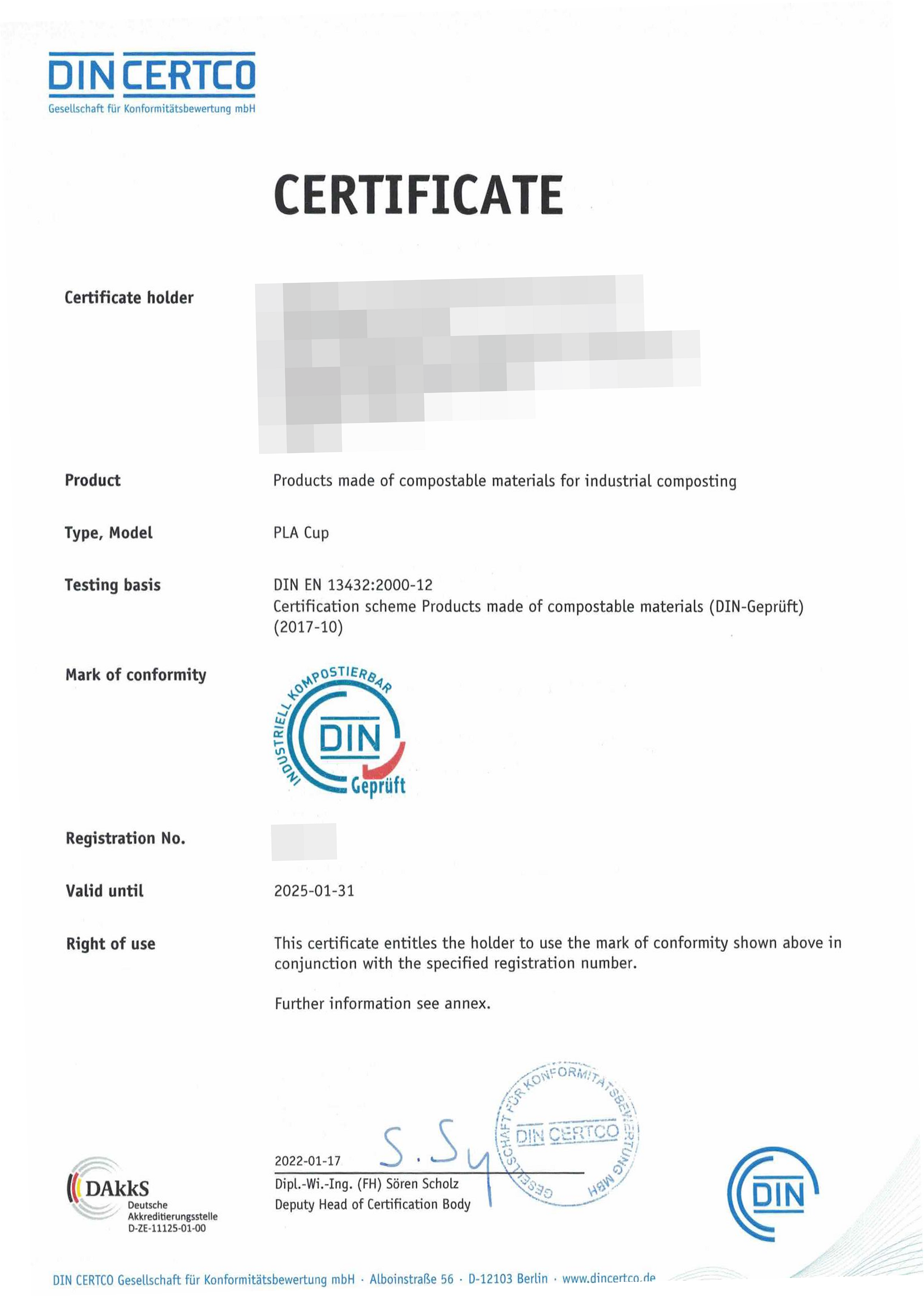
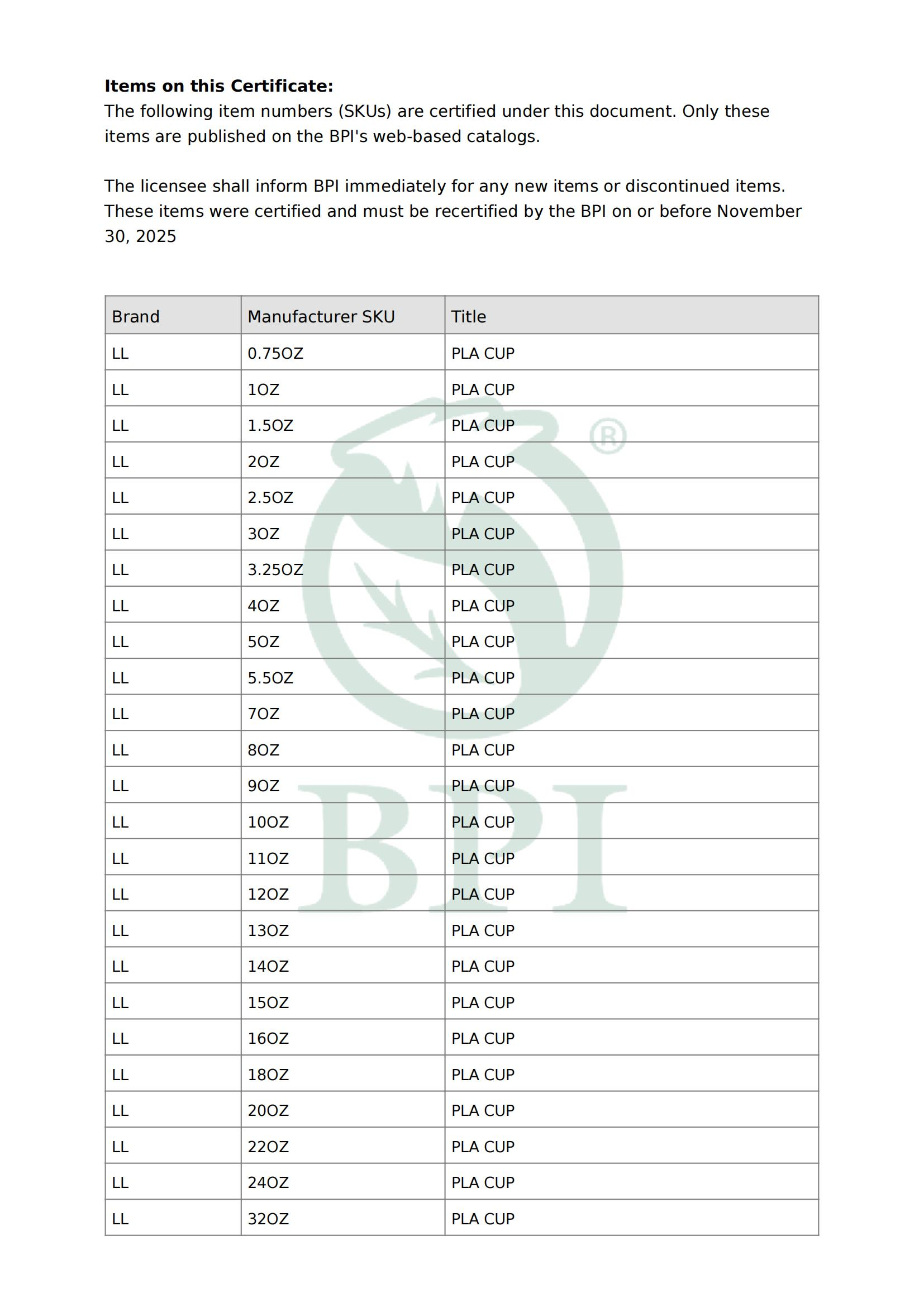
Packaging Certificates & Test Reports

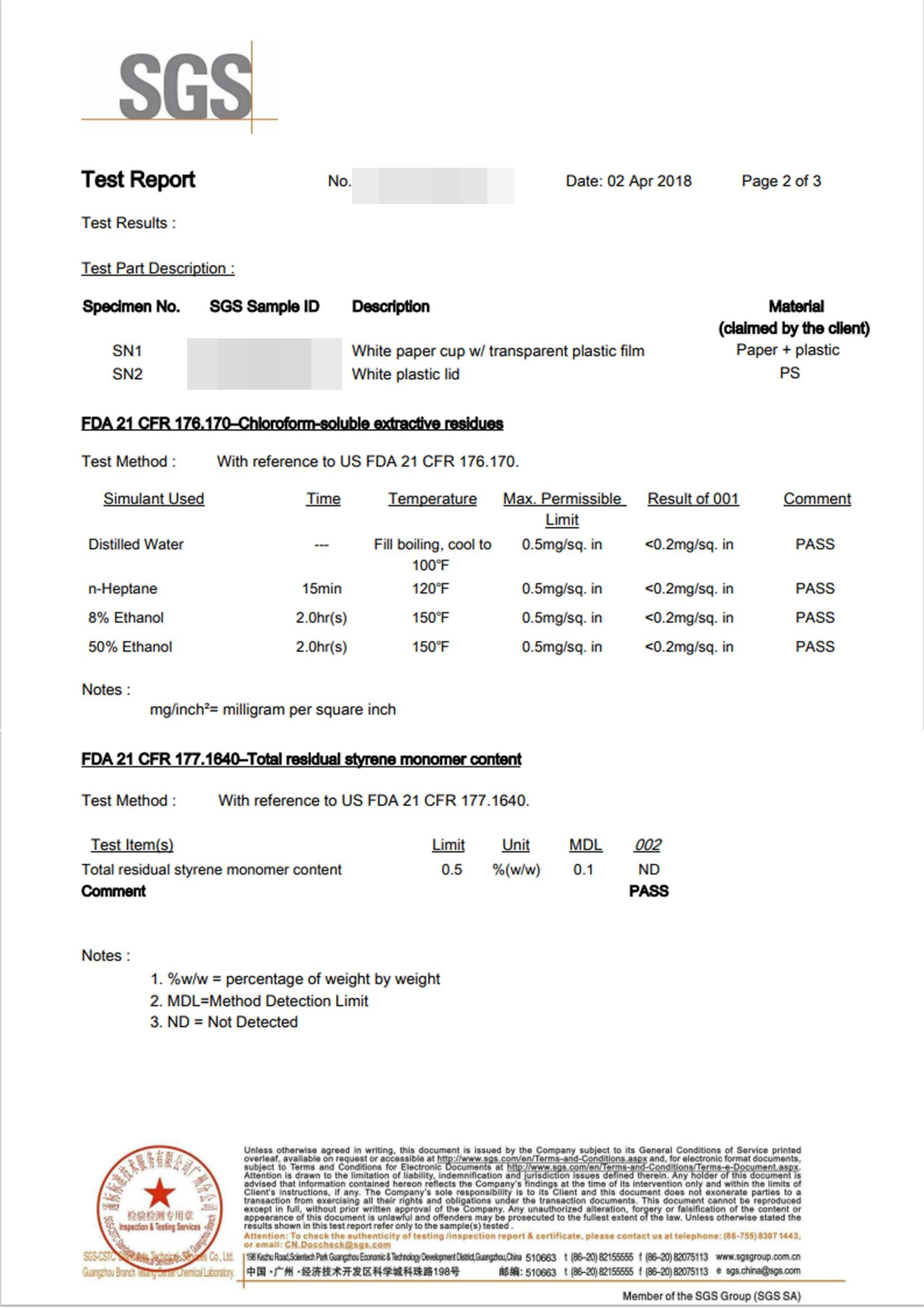
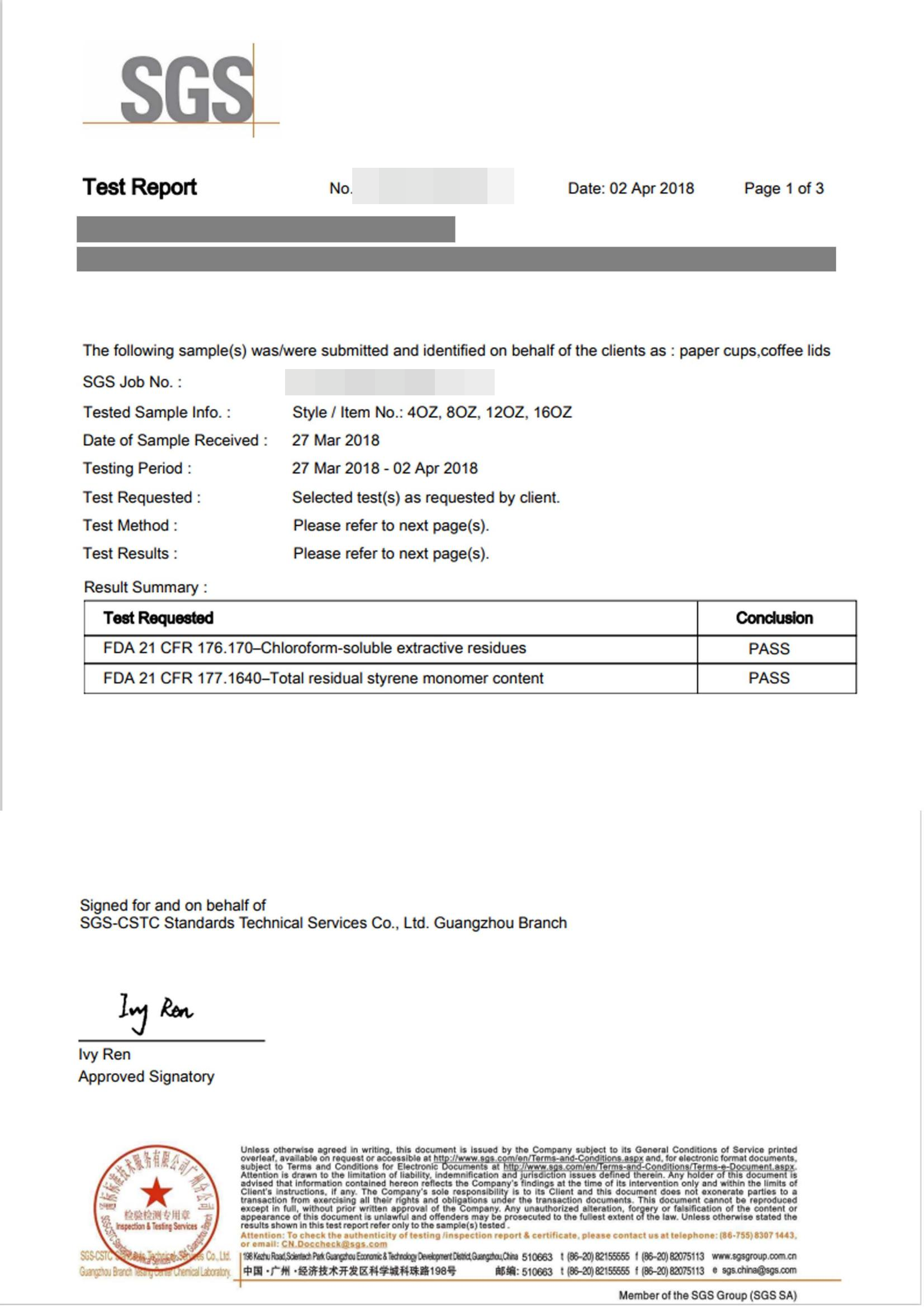
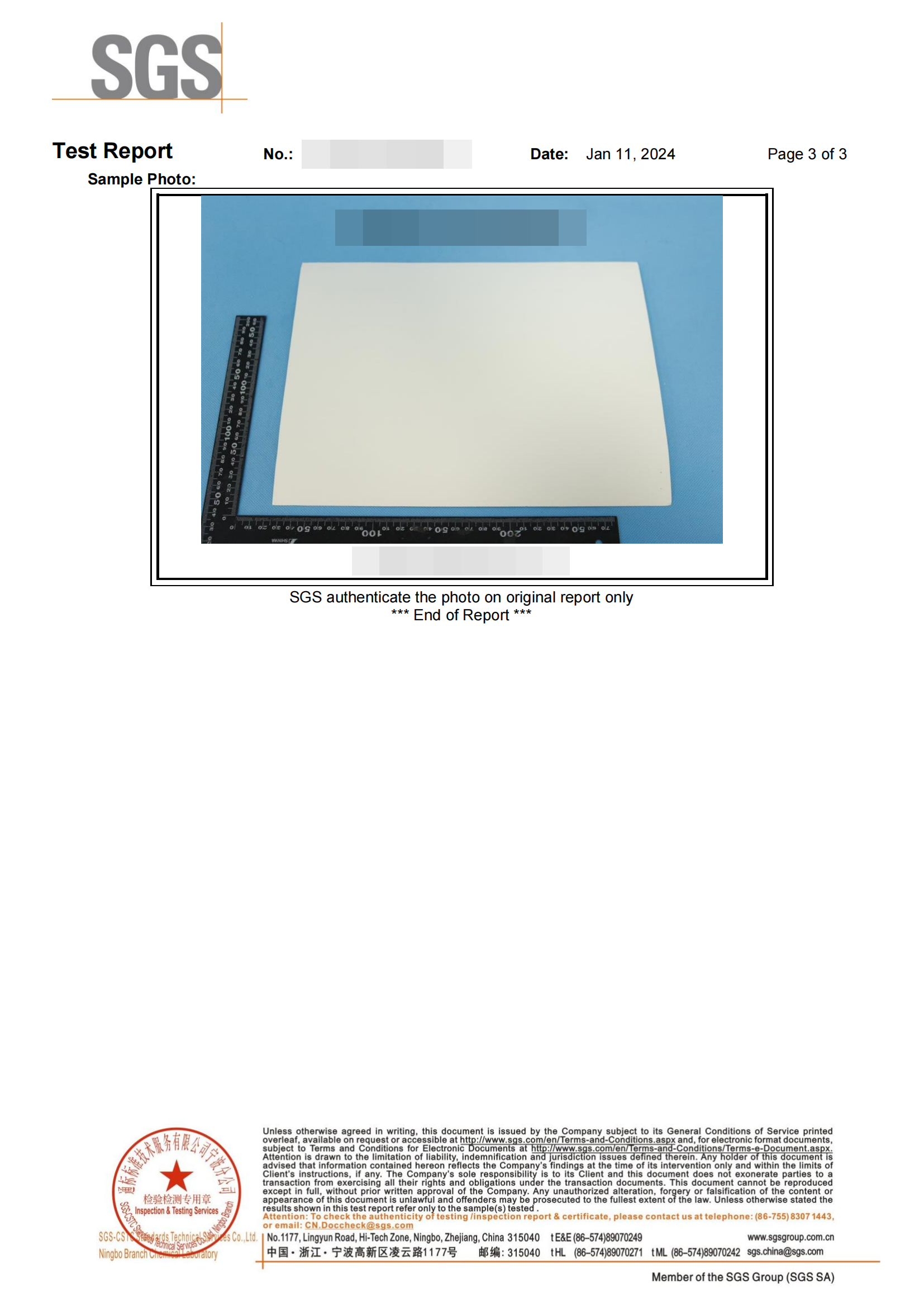
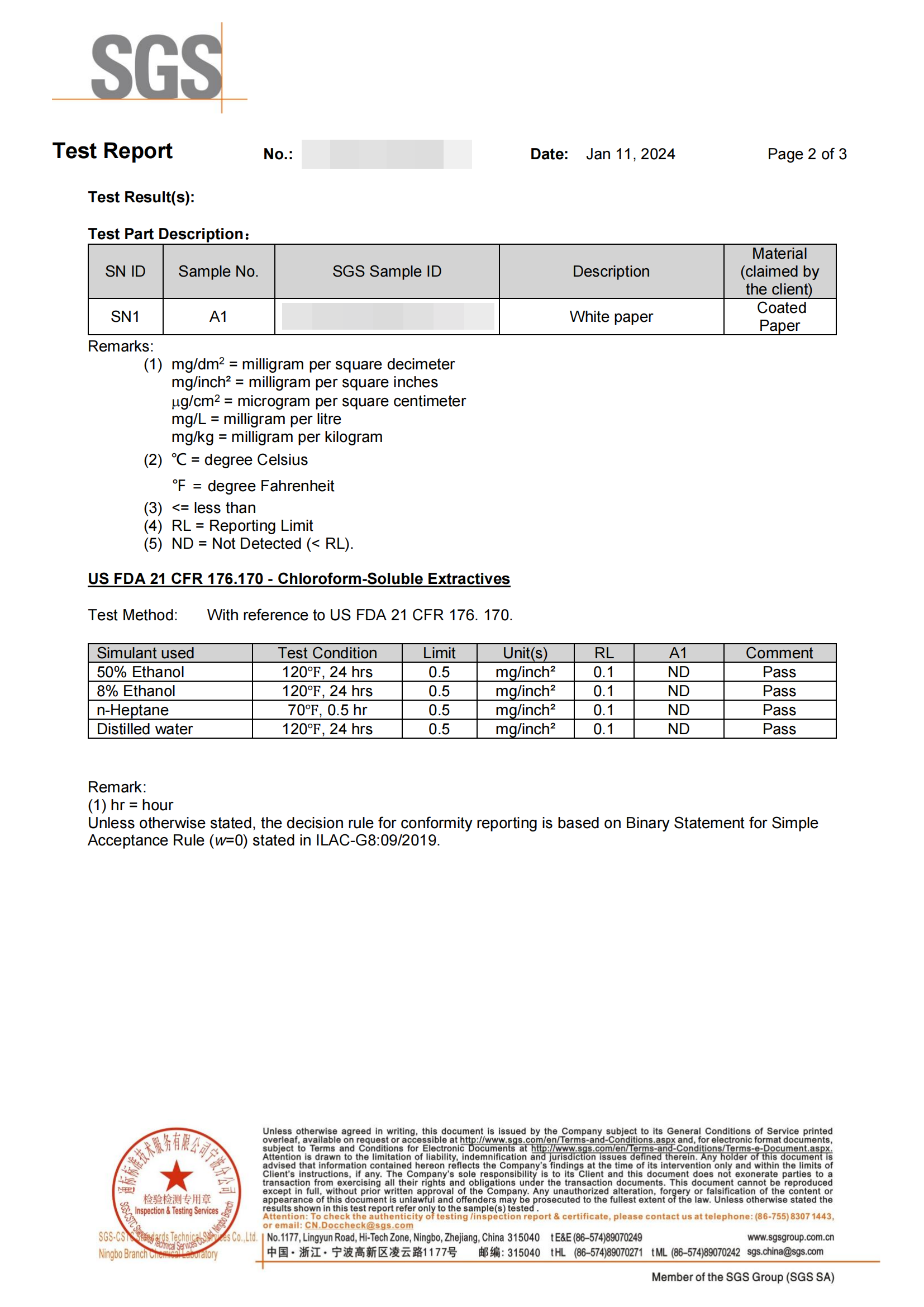
Review available certificates and test reports for your intended product and market. Document scope varies by material, product and issuing body; ask our team to confirm the relevant files for your order.

PP Cup Solutions for Common Purchasing Challenges

PP cup projects often involve more than choosing a capacity. Specification review, artwork coordination and lid matching can help buyers reduce avoidable sourcing problems before bulk production.

Managing Multiple Designs Without Multiplying Cup Specifications

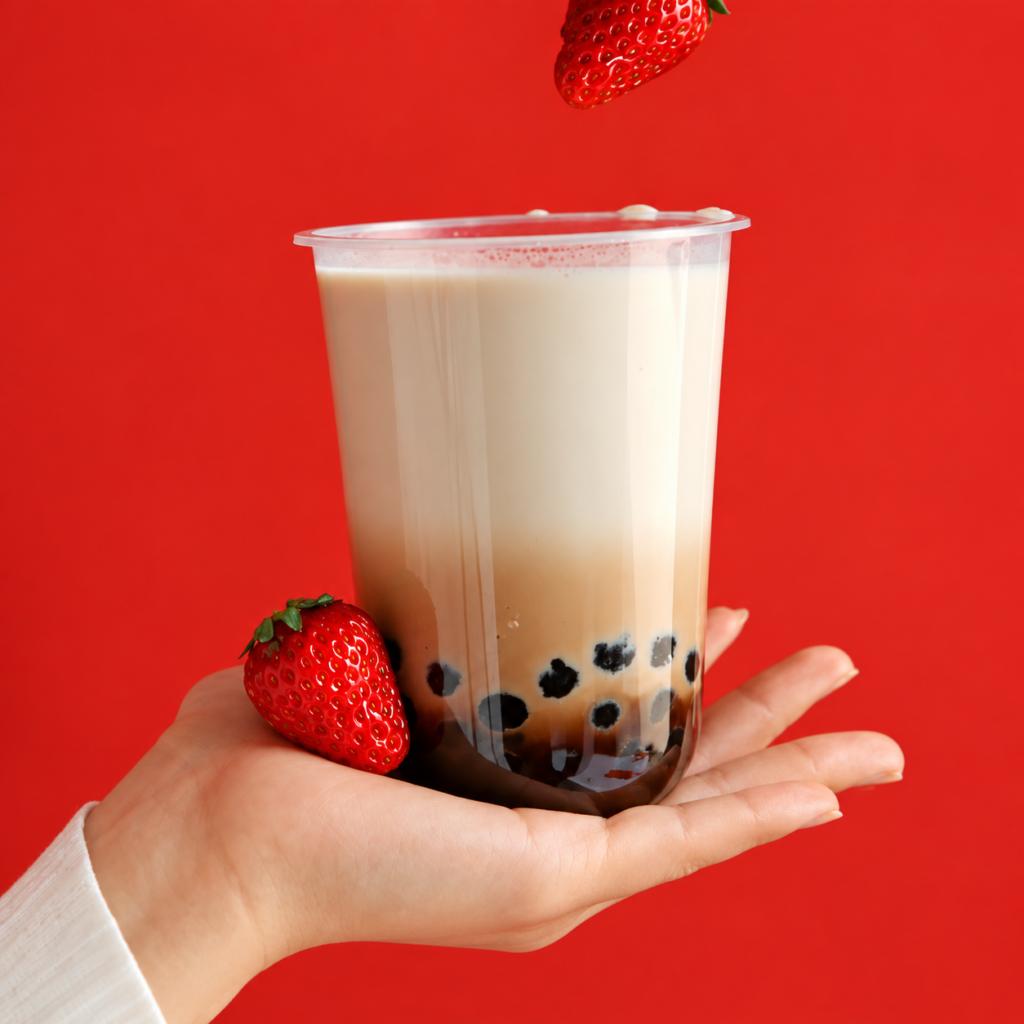
A beverage brand may need separate artwork for milk tea, juice and seasonal promotions while keeping the same cup format. First confirm one approved cup specification, then organize each artwork version by SKU, color reference, print position and order quantity. This keeps design changes from being confused with physical product changes and gives the team a clearer reference when reordering.

Matching PP Cups to Existing Lids

A distributor may already have lid inventory and need a PP cup that works with it. Rather than matching by nominal diameter alone, compare the lid’s inner profile with the cup’s outer rim, locking edge and dimensional tolerance. Reviewing a drawing or physical sample before production helps identify a poor fit early and reduces the risk of receiving bulk cups that do not work with existing lids.

Preparing a Wholesale Order Across Several Cup Sizes

A wholesaler may order several capacities for different customers or serving formats. Record each SKU’s capacity, cup dimensions, decoration, lid requirement, carton quantity and carton size separately. This makes it easier to compare landed packing volume, plan stock by size and identify which specifications need confirmation before purchase. A clear SKU list also helps keep later repeat orders organized.

One PP Cup Project. Coordinated Sizes, Branding and Lids.

Explore clear PP cups for beverage brands seeking plant-based packaging options. Coordinate cup sizes, custom artwork and matching lid requirements based on your product specifications and target market.

PP Cups Selection & Specification Guide

What Buyers Value in a PP Cup Project

Inquiries about PP Cups

Start with the actual fill volume and serving format, then compare the cup’s top diameter, bottom diameter and height. A 12oz cup from one design may not have the same proportions as another 12oz cup. If the cup must work with an existing lid, dispensing system or filling line, confirm the dimensional drawing or sample before choosing by capacity alone. Also consider the cup’s weight, carton dimensions and how the product will be stored and served.

Injection-molded PP cups are formed by injecting molten material into a mold, while thermoformed PP cups are shaped from heated plastic sheet and then trimmed. The processes can produce different wall structures, rim details, weights and nesting behavior. Neither process is automatically better for every application. Compare the actual cup geometry, intended use, lid compatibility, decoration method and packing efficiency before selecting a production route.

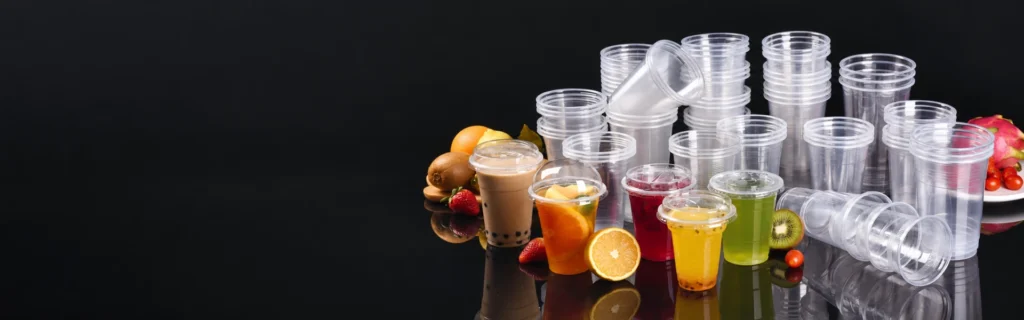
PET cups are commonly selected when high transparency and clear drink presentation are priorities. PP cups may be considered when the project needs a different balance of flexibility, structure and material performance. The right choice depends on the specific cup design, beverage temperature, visual requirements, lid system and target market. Compare finished samples and verified specifications rather than assuming every PP or PET cup has the same performance.
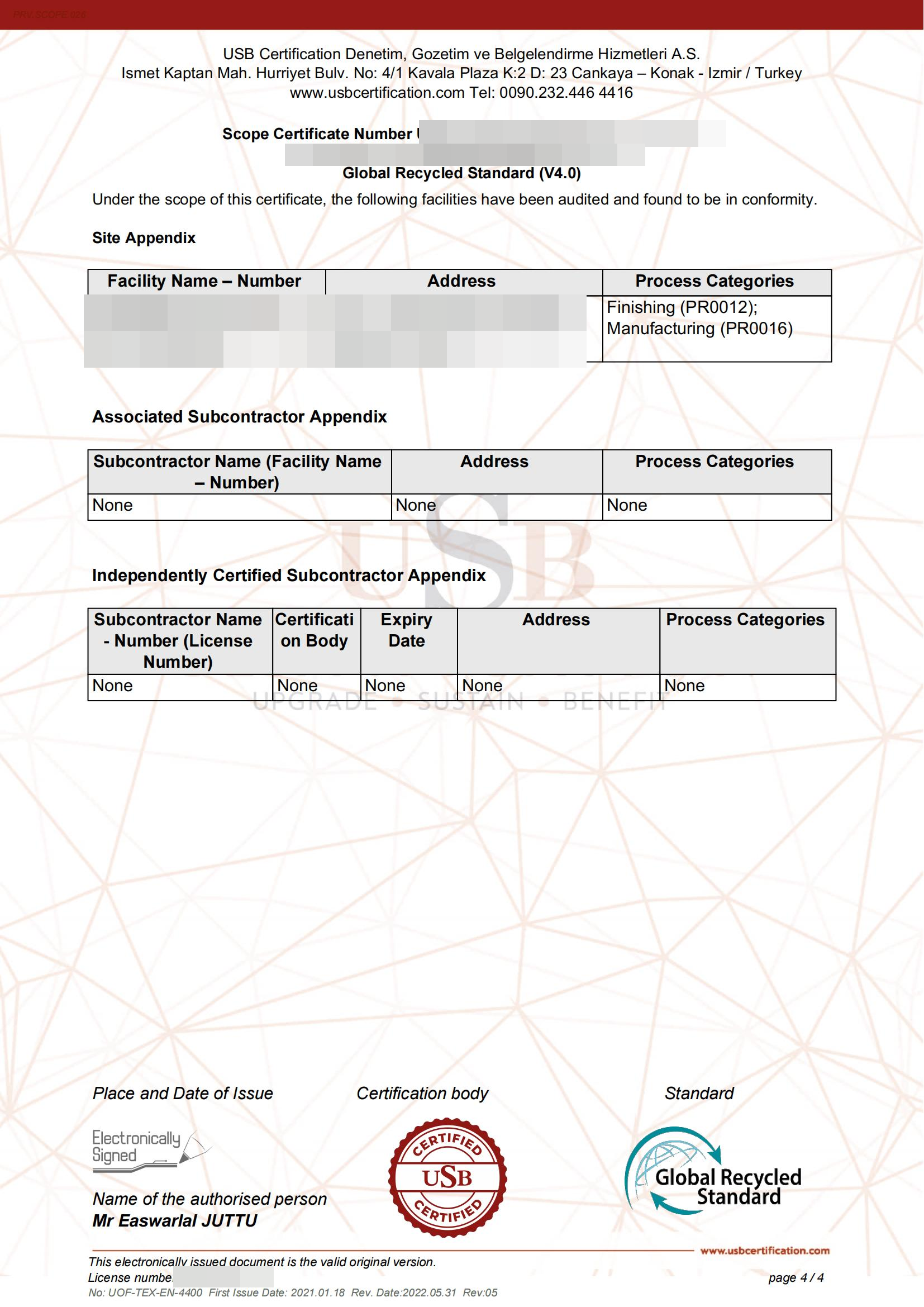
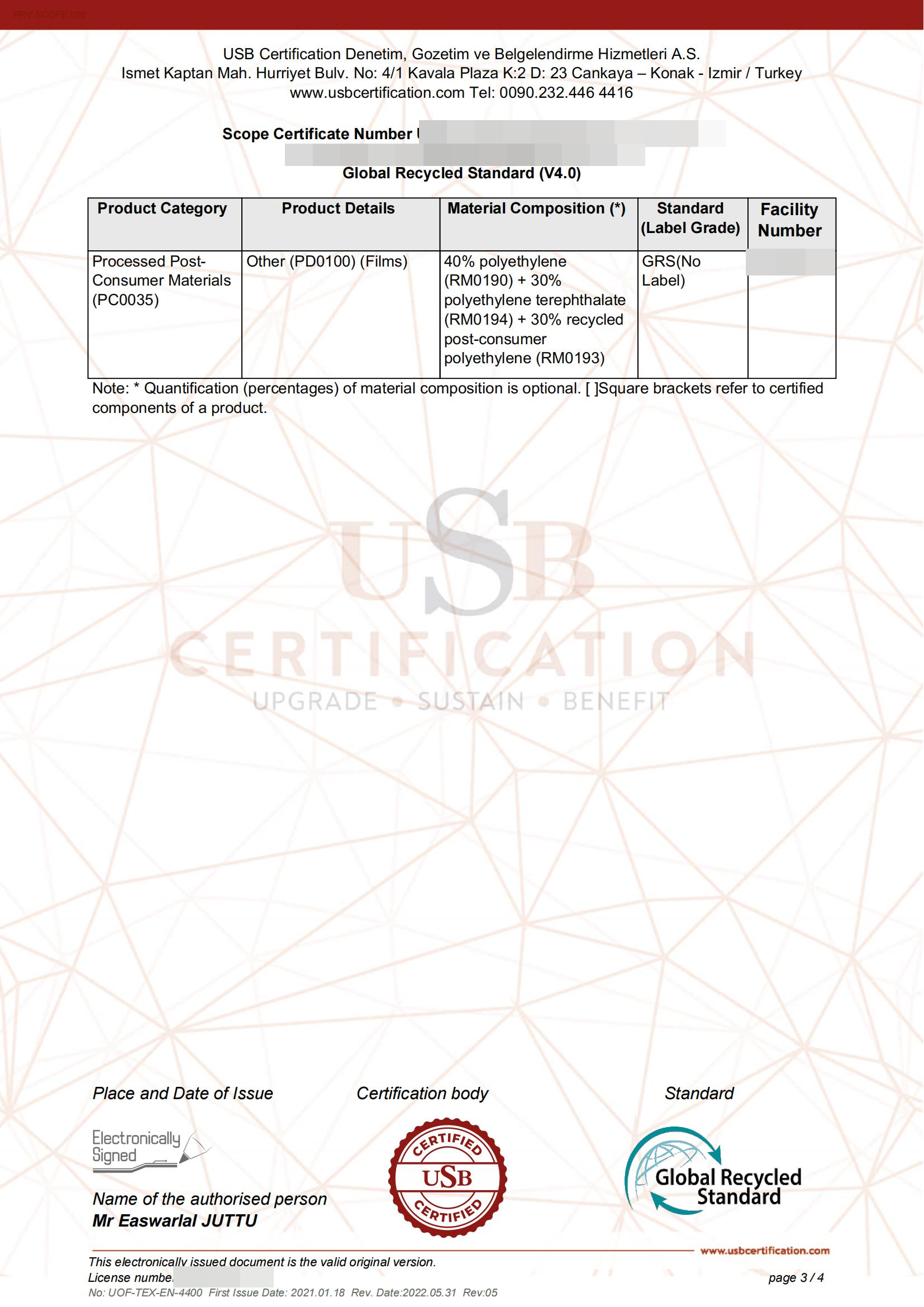
Do not rely on the capacity or nominal diameter alone. Compare the cup’s top outer diameter, rim profile, bead or locking edge and dimensional tolerance with the lid’s inner geometry. If the lid is already in stock, share its drawing, measurements or physical sample so the proposed cup can be checked against it. Verify closing force, retention and opening behavior using the actual cup-and-lid combination before bulk production.

Suitability depends on the exact PP formulation, cup structure, wall thickness, manufacturing process and intended contact conditions. A resin’s general heat resistance does not establish a finished cup’s safe-use temperature. Confirm the specific product’s stated limits and any relevant test evidence before using it for hot filling, microwave heating or prolonged contact with hot liquids. Do not assume a PP cup is oven-safe unless the manufacturer has explicitly verified that use.

PP is commonly identified by resin code 5, but that code does not guarantee that every local recycling program accepts the finished cup. Acceptance can depend on local collection rules, cup design, labels, residue and sorting infrastructure. If recycling is important for your market, check the requirements of the local waste system and avoid making a universal recyclability claim based only on the material name or resin code.

Deformation or poor nesting can be affected by cup geometry, wall-thickness distribution, material formulation, forming conditions, temperature exposure and how the cups are packed or stored. For nested cups, check whether they separate consistently without excessive force and whether the rim or sidewall catches on adjacent cups. Evaluate the actual model under normal storage and handling conditions rather than judging performance from a photograph or nominal capacity.

Get Free Sample

Related Product

PET Cups

Highly transparent PET cups for cold drinks, smoothies and branded beverage presentation.

Bubble Tea Cup

Custom bubble tea cups in multiple sizes, with branded printing and compatible sealing options.

Clear Cup Lid

Clear cup lids in multiple styles to coordinate with your cup dimensions and beverage serving needs.

PLA Cups

Plant-based PLA cups for beverage brands exploring alternative materials for their packaging projects.