
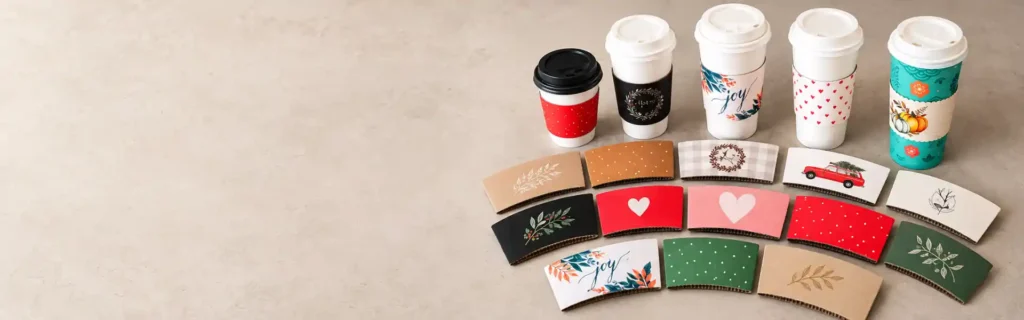
Protect hands from hot cups while giving your coffee brand a distinctive printed surface. Choose corrugated, kraft, white card or specialty paper sleeves in sizes matched to your cup profile.
ProGreenPack supplies custom coffee cup sleeves for cafés, beverage brands, foodservice operators and packaging distributors. Corrugated paper sleeves use an E-flute structure to create air spaces that help slow heat transfer, while high-stiffness paperboard helps the sleeve retain its shape during handling. Choose kraft paper for a natural texture, white card for a clean printable surface, coated paper for a glossy appearance, or specialty paper for a more distinctive finish. Custom printed coffee cup sleeves support CMYK graphics, with selected options including spot UV, foil stamping, embossing and custom die-cutting. Sizes can be developed around 8–24 oz cup profiles, with final dimensions confirmed against the actual cup.
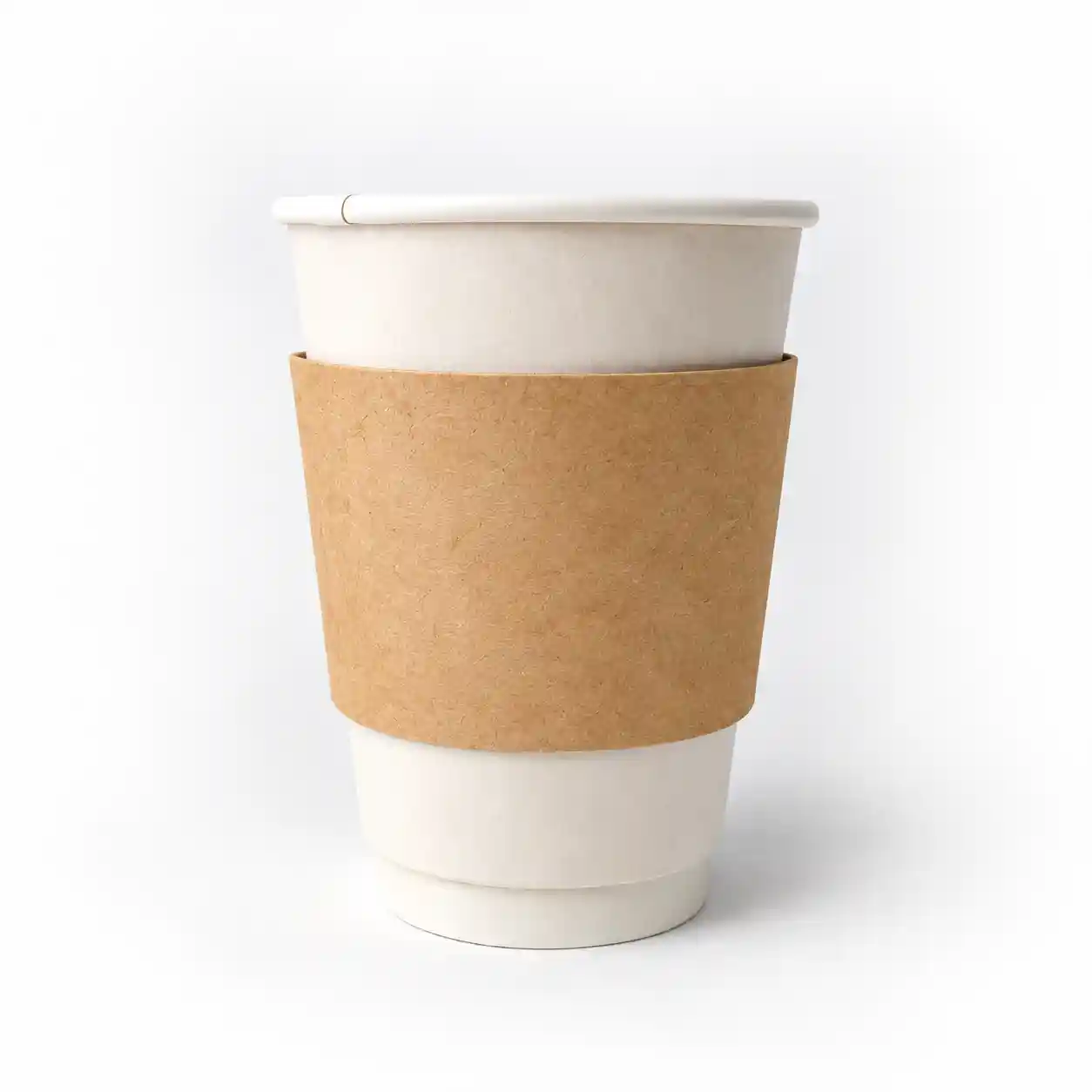
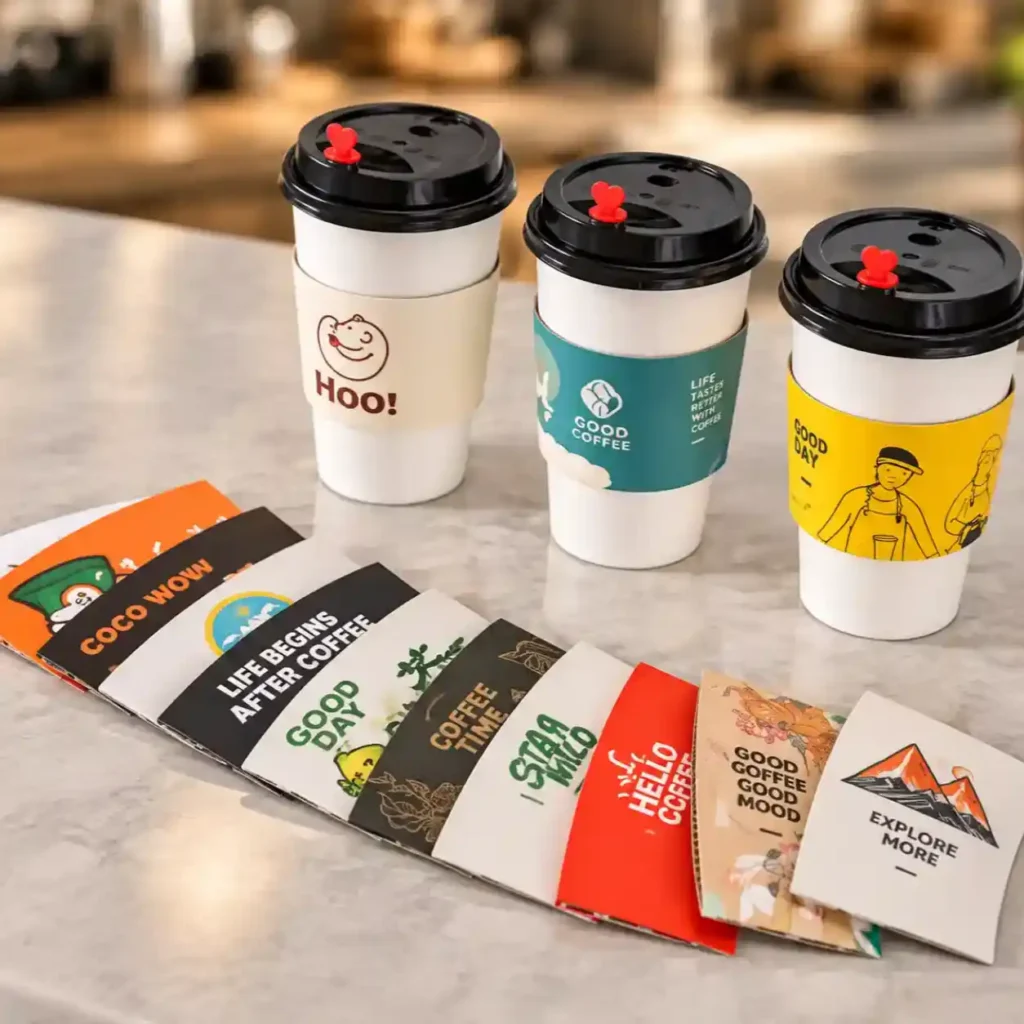
Natural paper texture creates an understated look for cafés, specialty coffee brands and kraft-style packaging.
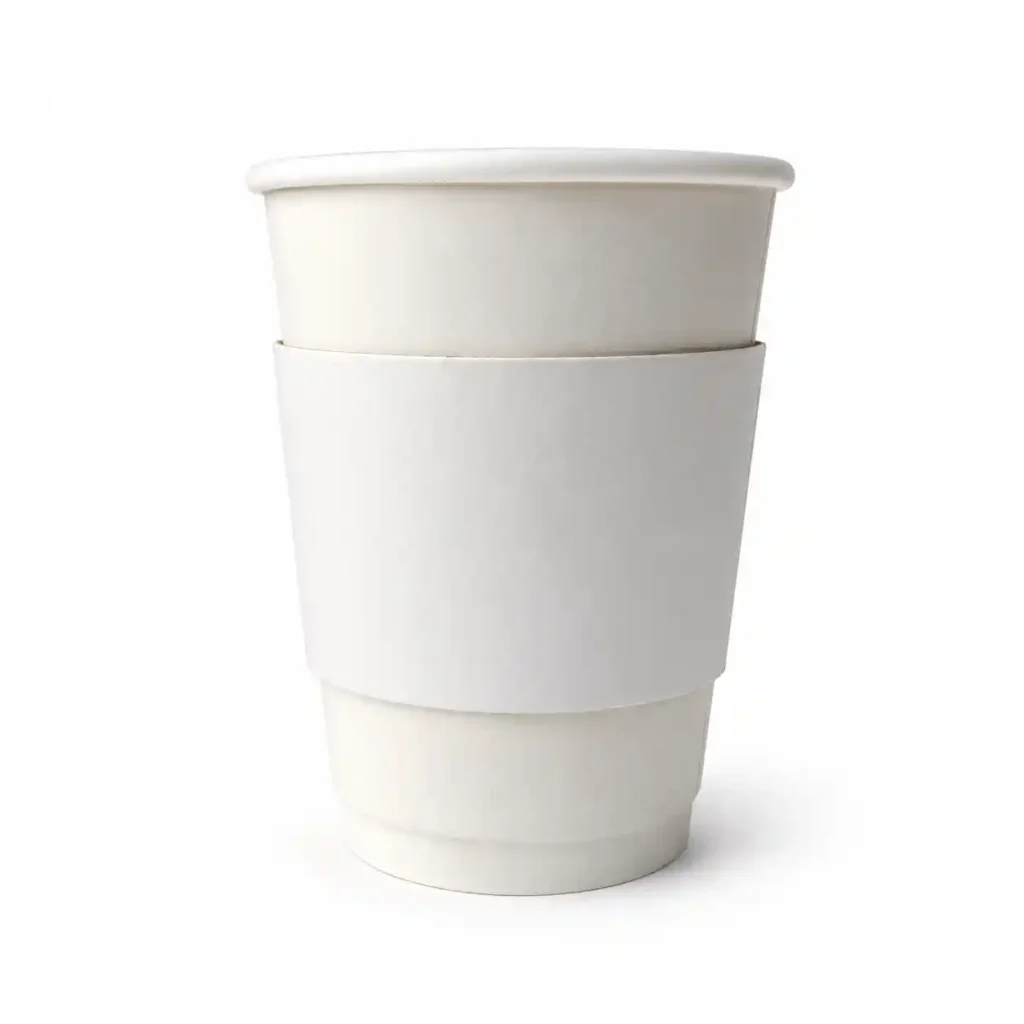
A smooth, firm surface supports clear logo placement and everyday coffee shop presentation.
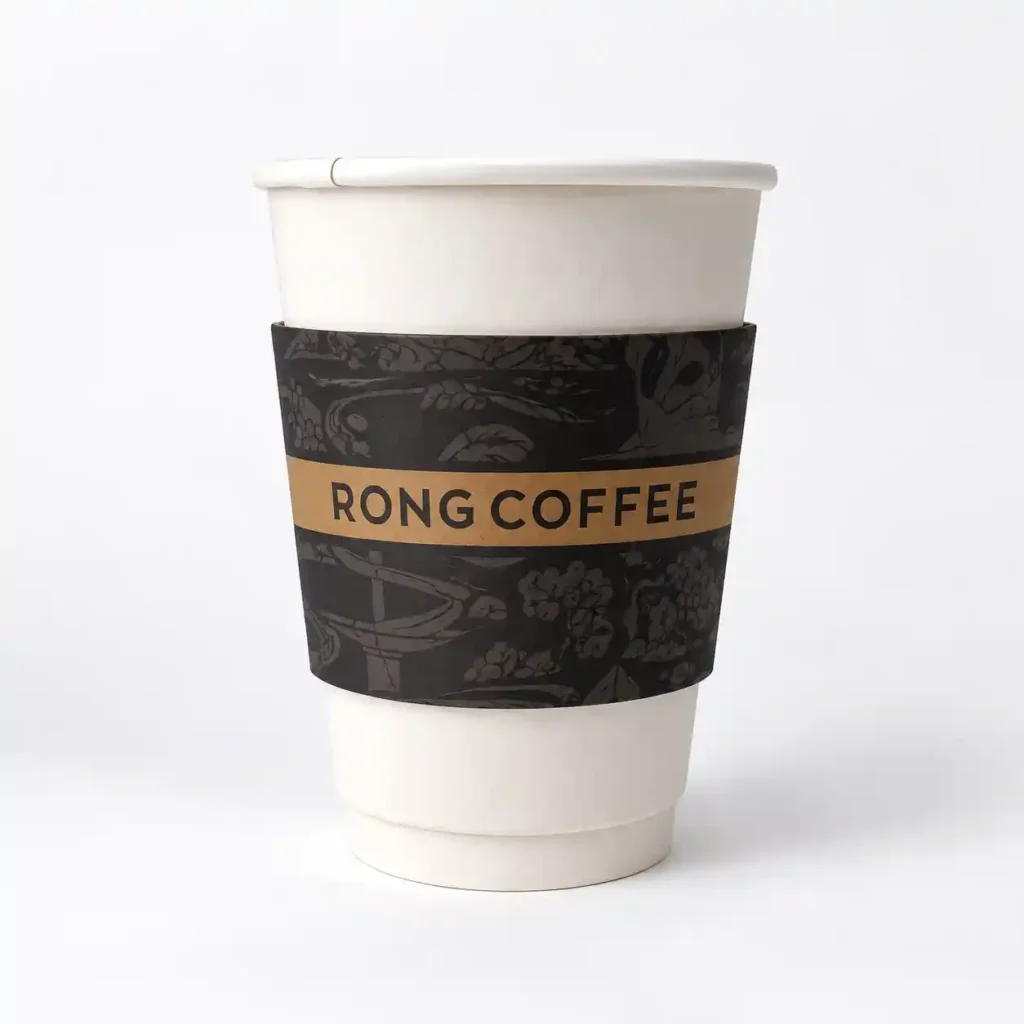
Combine full-color artwork with selected foil, UV, embossing, lamination or die-cutting effects.
Paper cup sleeves must do more than wrap a cup. Their structure affects heat transfer and grip, while the outer surface carries your brand. Choose materials, finishing and dimensions around your actual cup and intended use.
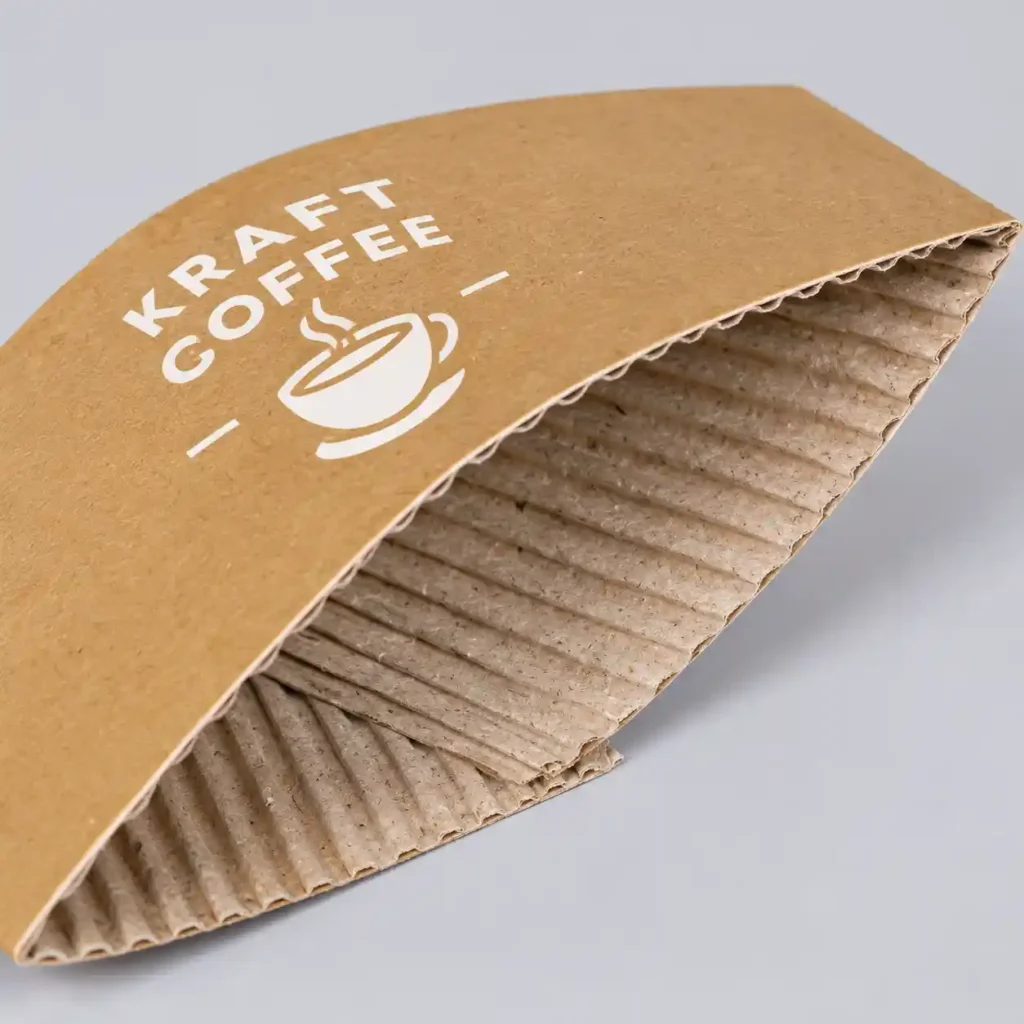
E-flute corrugation creates air spaces that help slow heat transfer.
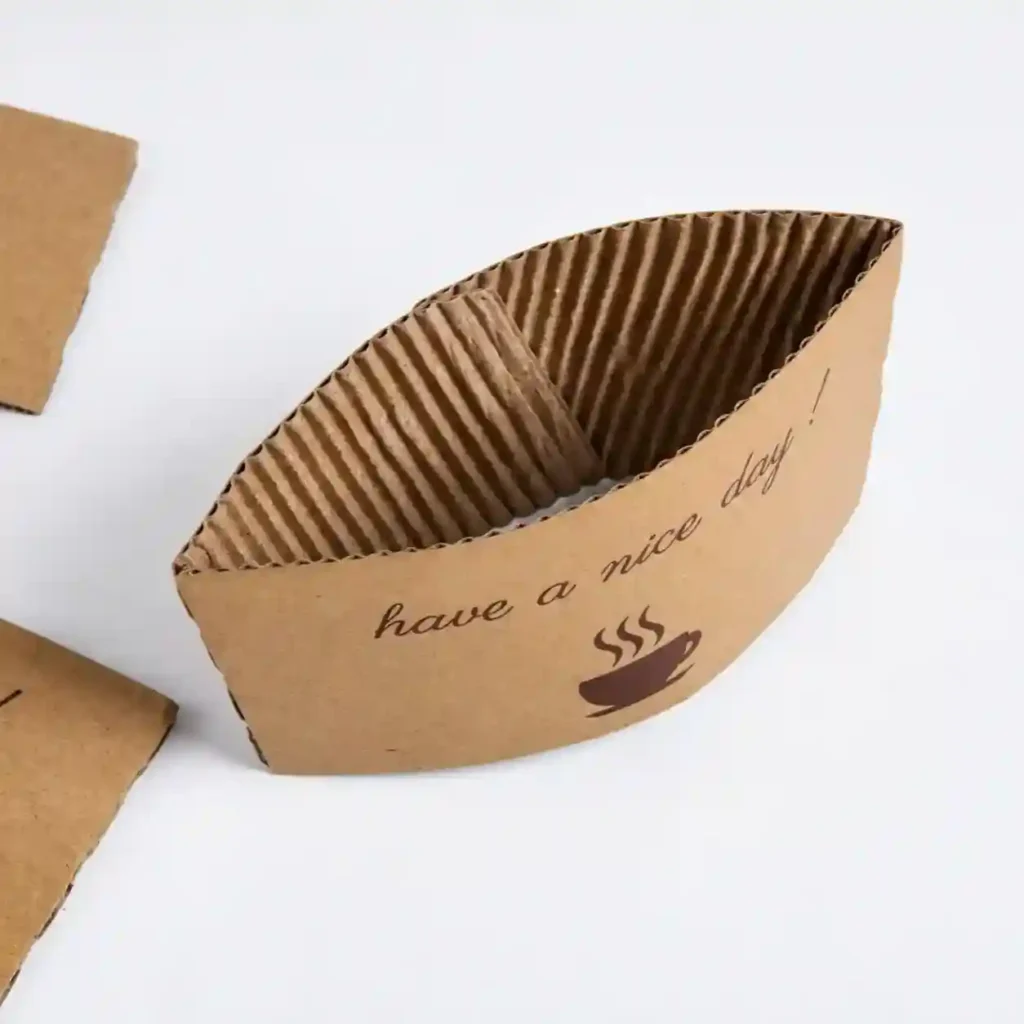
Rigid paperboard helps sleeves hold their shape during handling and use.
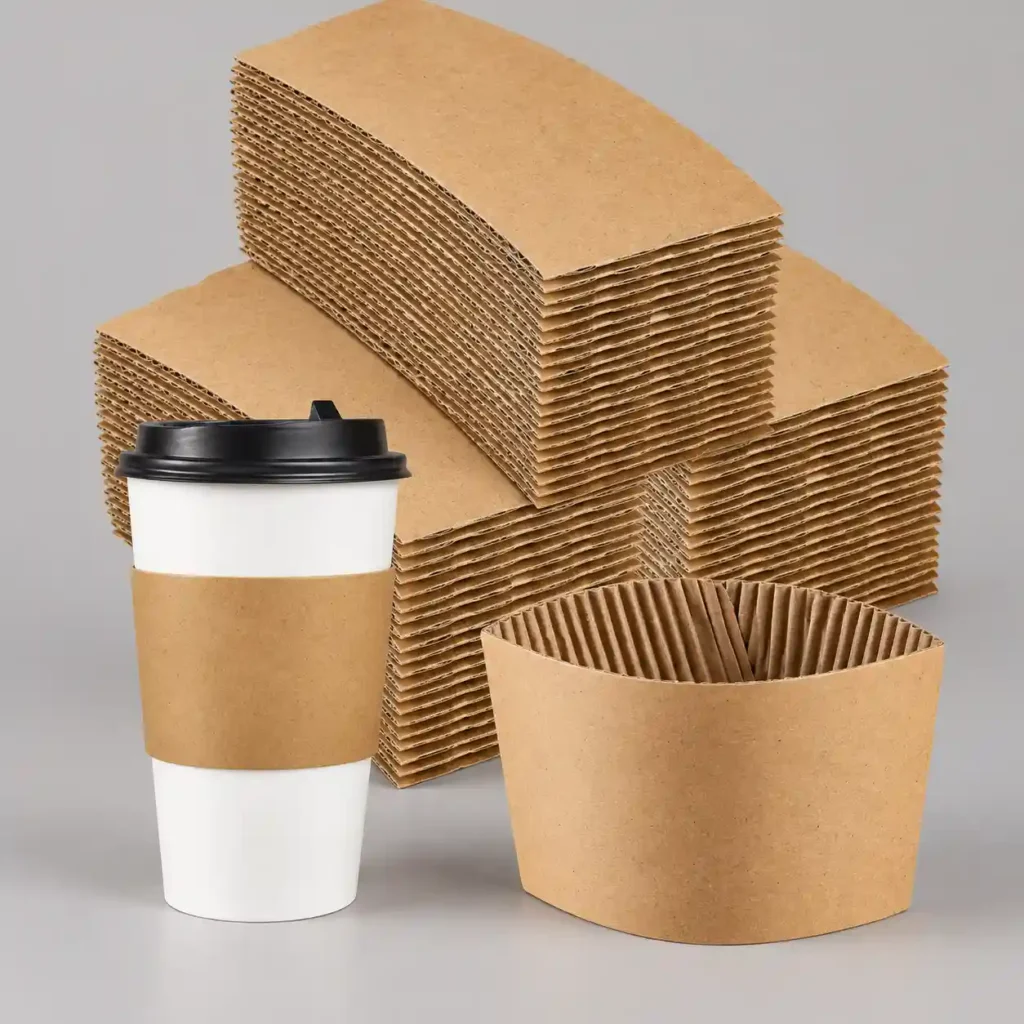
Choose paper-based materials to support your packaging goals.
CMYK four-color printing reproduces brand colors and intricate artwork.
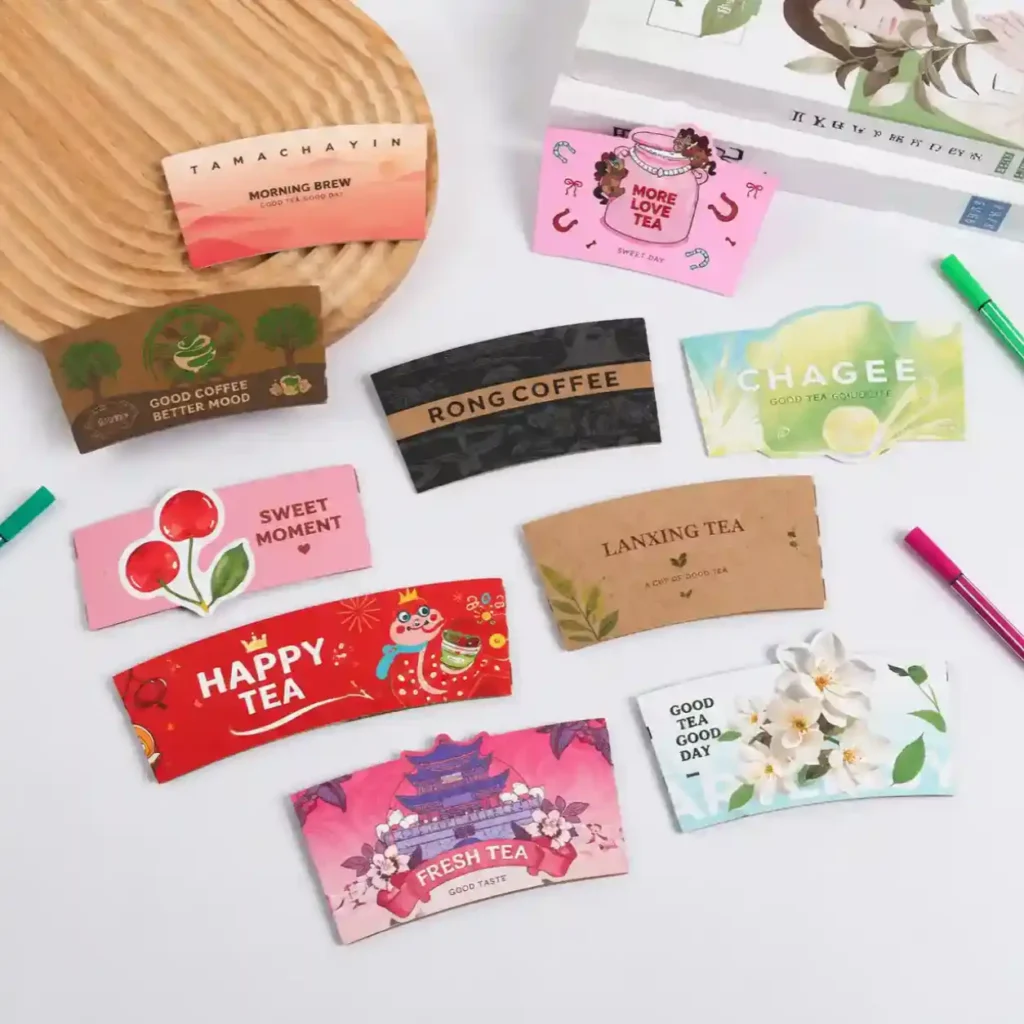
Add spot UV, foil stamping, embossing, lamination or custom die-cutting.
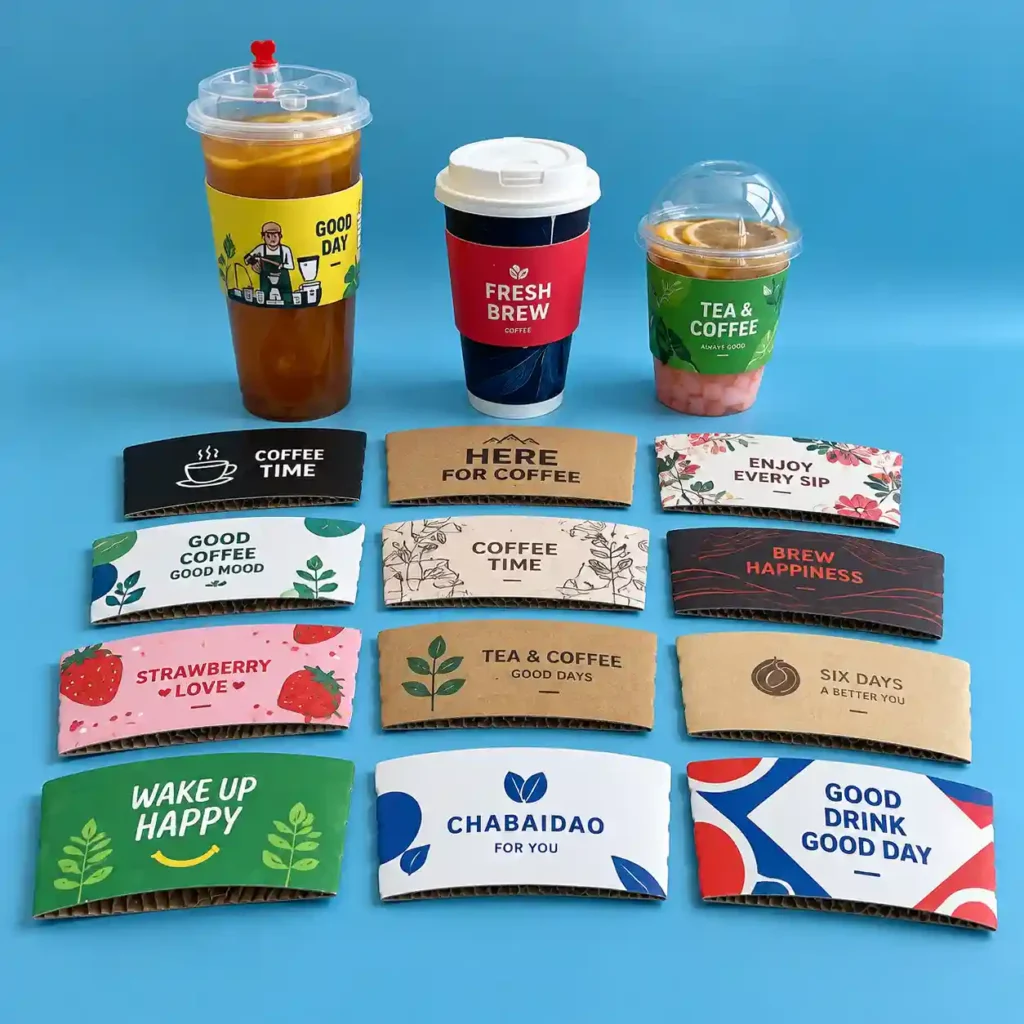
Custom sleeves accommodate 8–24 oz cup profiles and different uses.
The inner structure of a corrugated coffee cup sleeve makes a practical difference during hot-drink service. E-flute corrugation creates small air spaces between the cup and the outer surface, helping slow heat transfer to the hand. High-stiffness paperboard also helps the sleeve retain its shape during normal handling. The final experience depends on the cup, beverage temperature, paper construction and sleeve fit, so the complete cup-and-sleeve combination should be evaluated for its intended use.
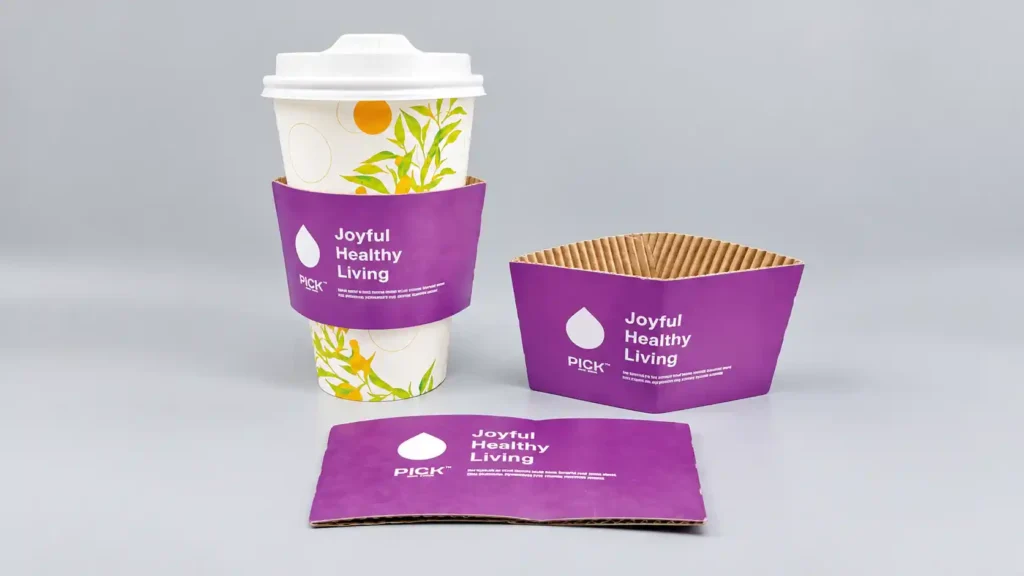
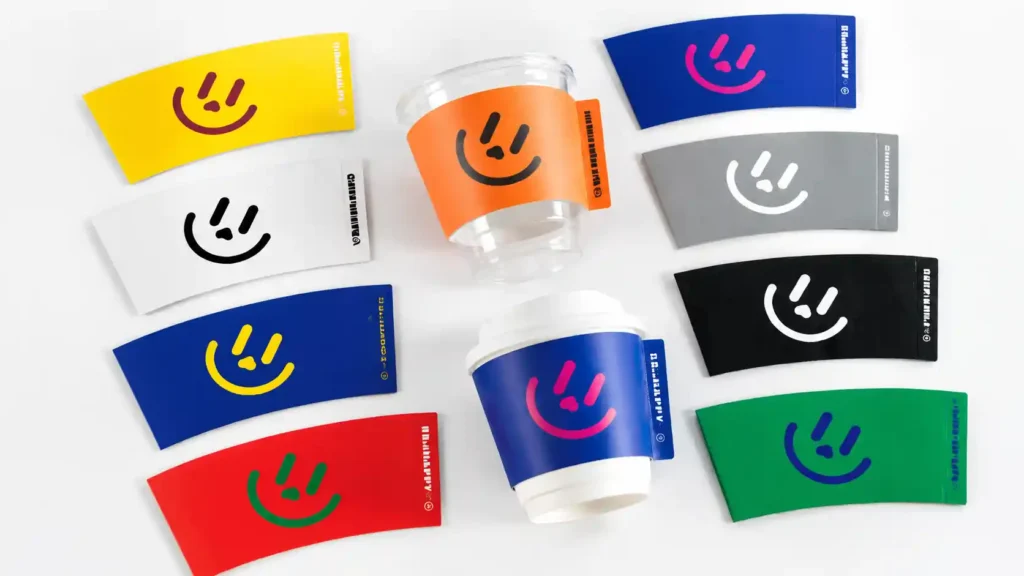
A custom printed coffee cup sleeve can turn a standard takeaway cup into a branded serving experience. CMYK four-color printing supports logos, illustrations, promotional graphics and multicolor designs. For projects requiring more visual depth, selected sleeves can incorporate spot UV, foil stamping, embossing, lamination or custom die-cut shapes. Artwork should be planned around the printable area, cut edges and sleeve seam so essential graphics remain visible after forming. Confirm the chosen paper and finish together, because the base color and surface texture affect the final appearance.
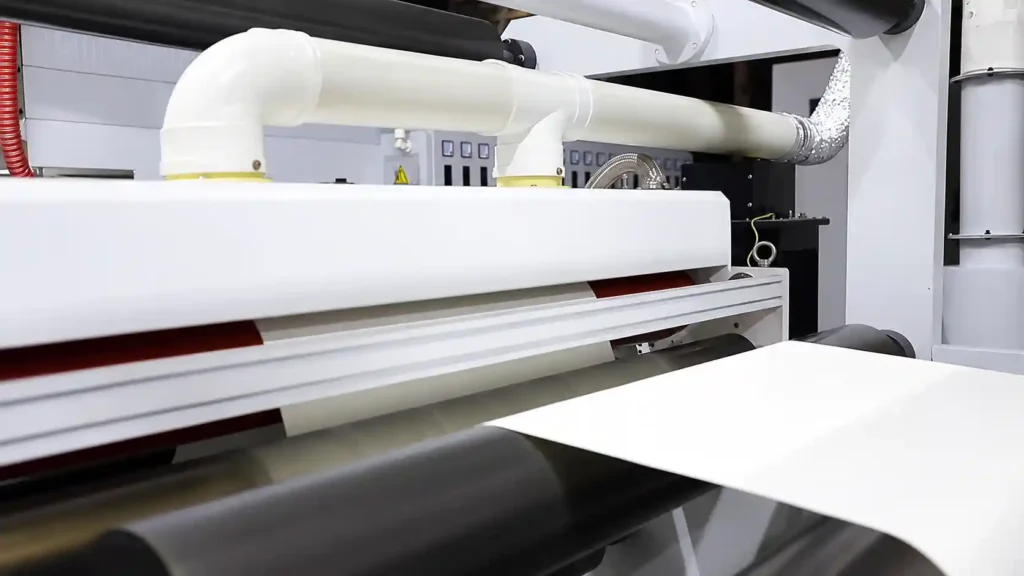
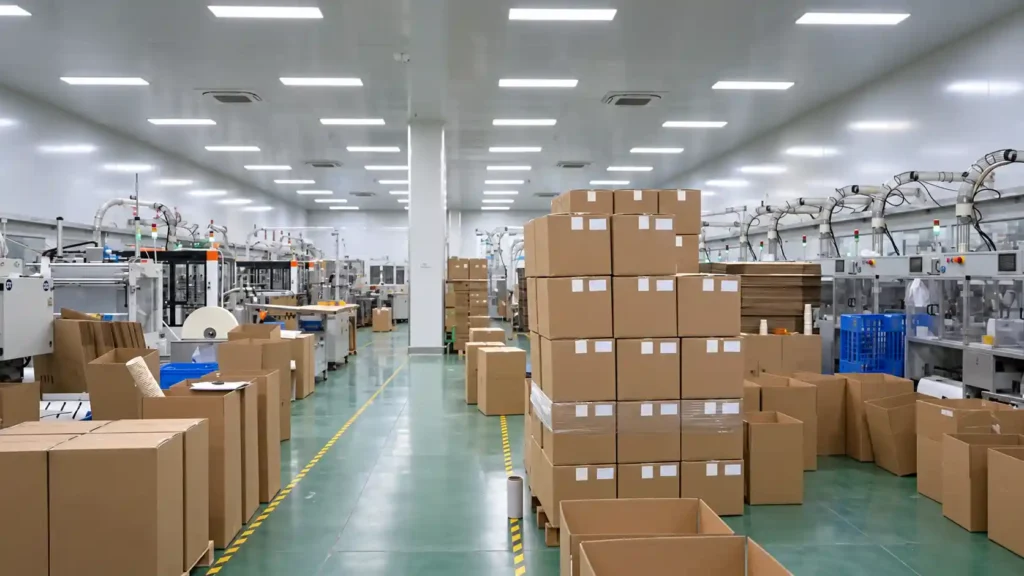
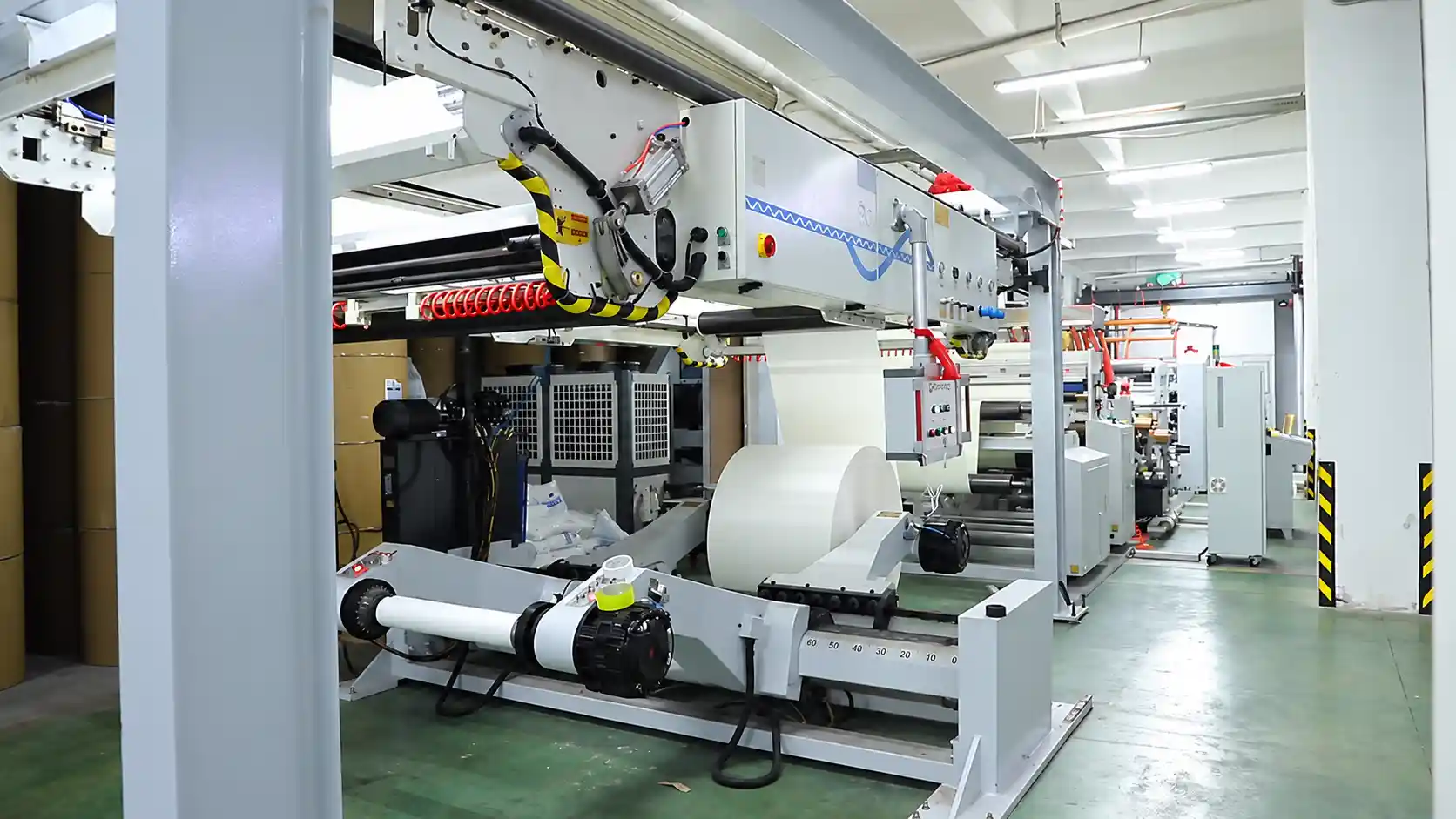
ProGreenPack has supported food and beverage packaging projects since 1990. Our manufacturing base in Nanning, Guangxi, includes 8 production workshops and more than 50 machines, with export experience across 50+ markets. For coffee cup sleeve projects, we coordinate material selection, cup dimensions, artwork requirements and finishing options around your intended application. Confirmed specifications and approved samples provide a reference for production and repeat orders, while packing and shipping requirements can be reviewed as part of the overall packaging plan.
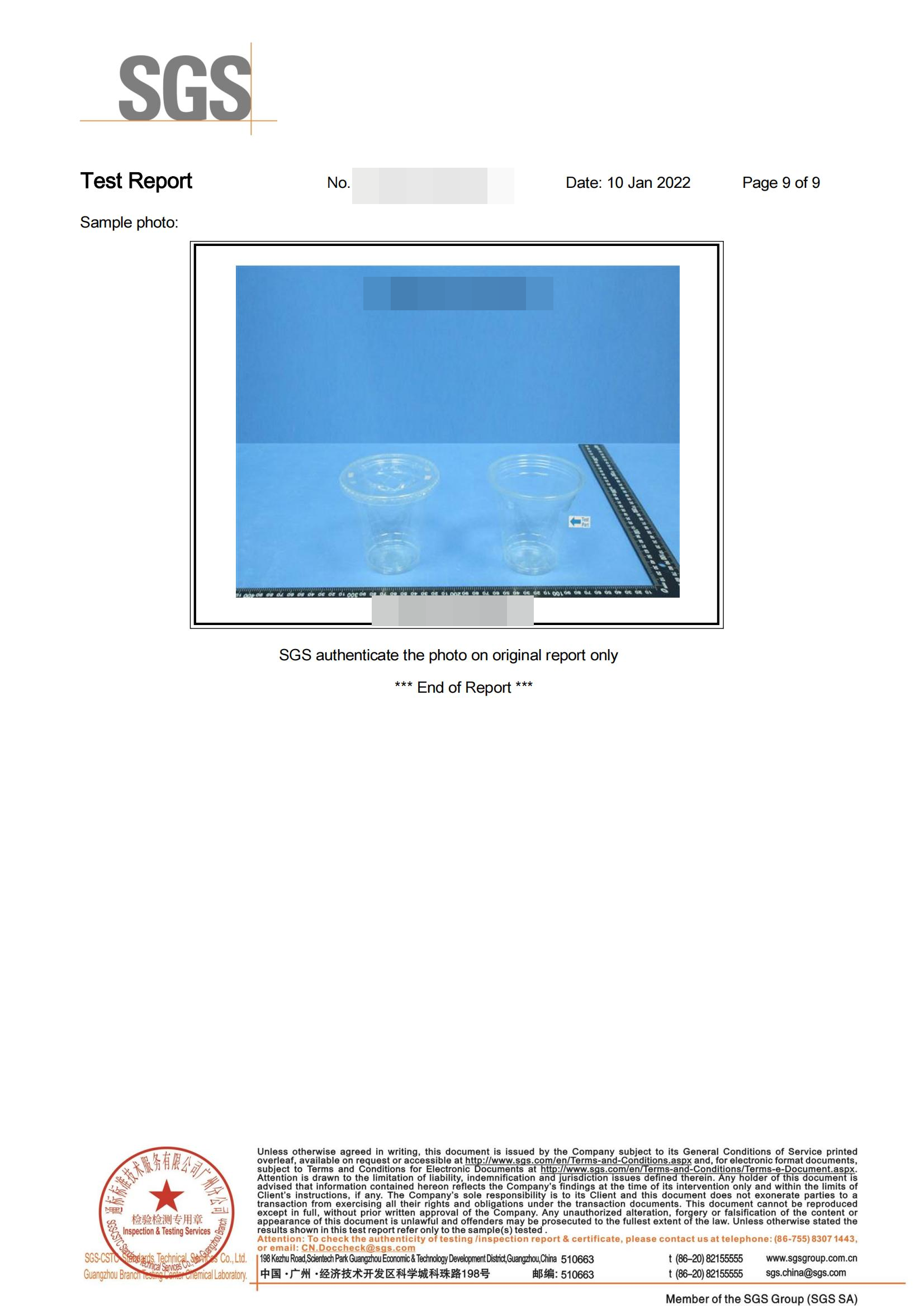
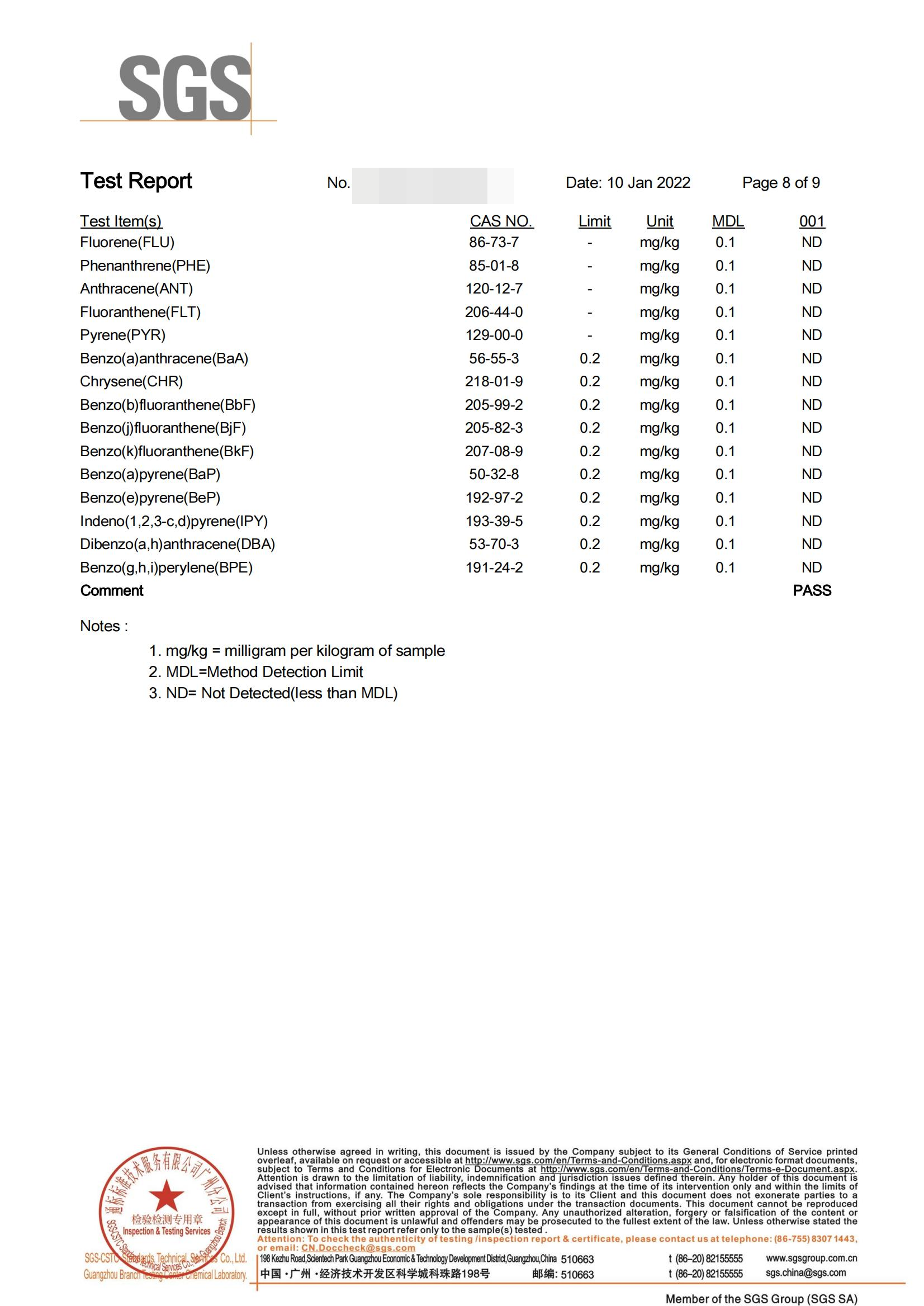
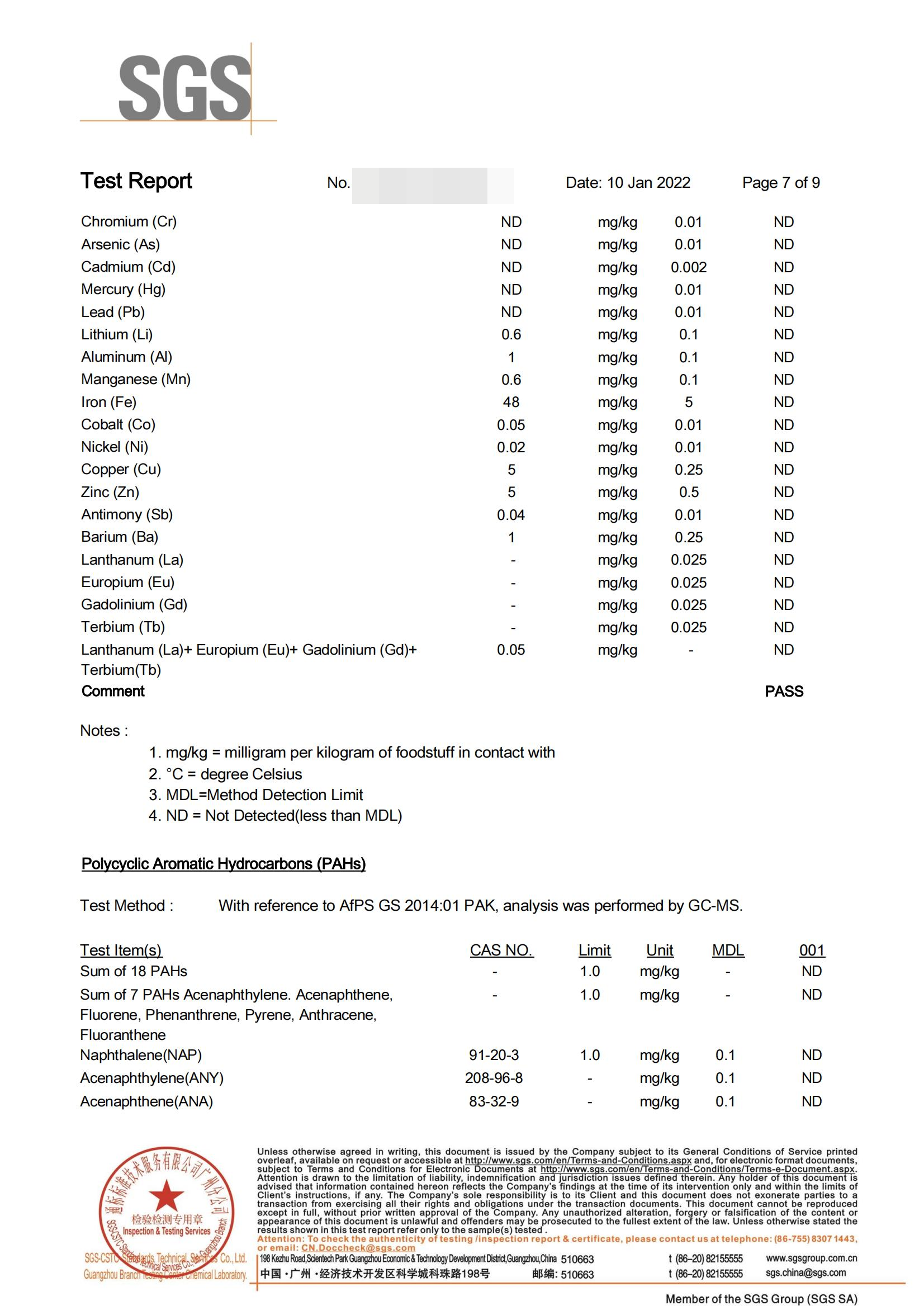
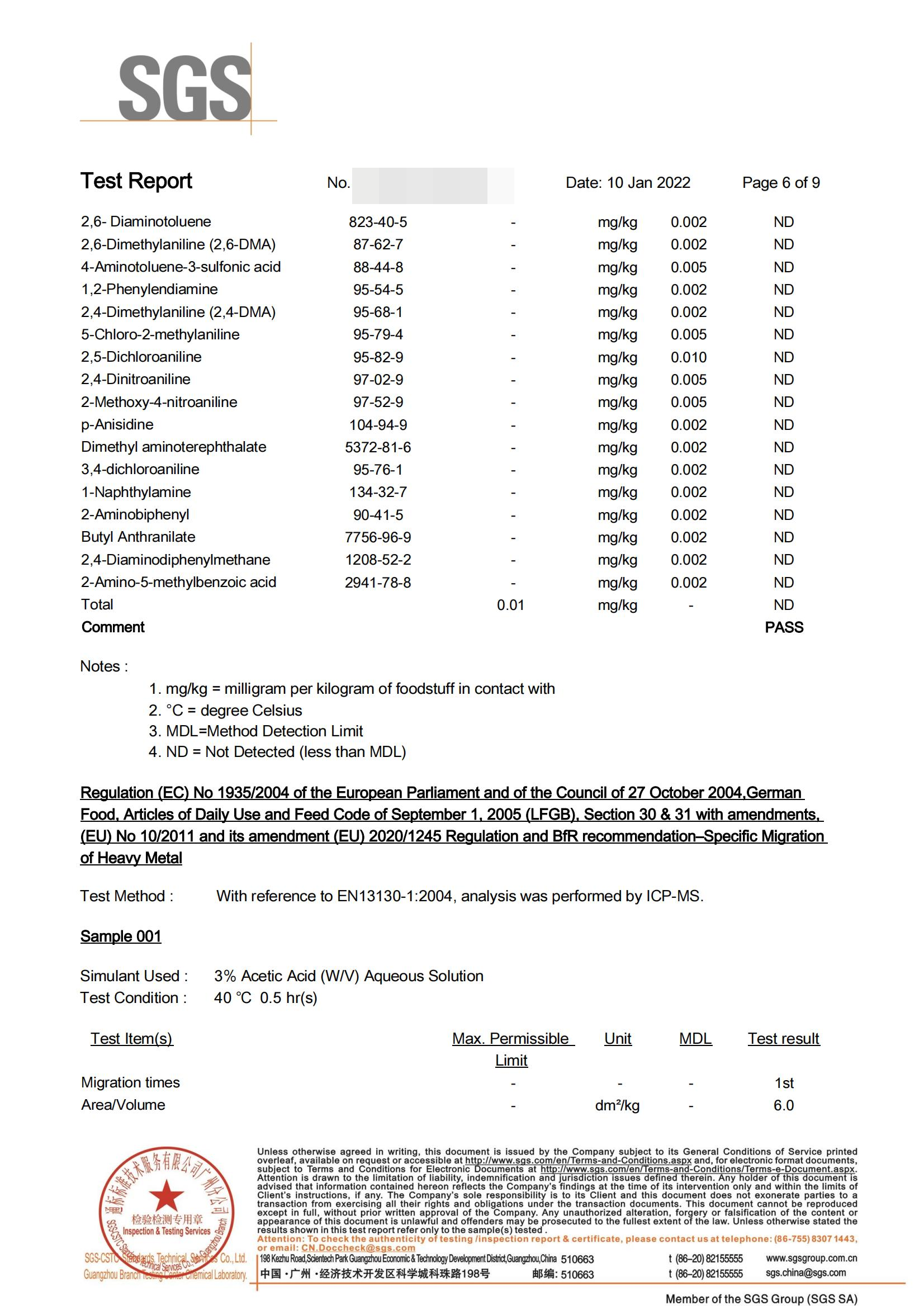
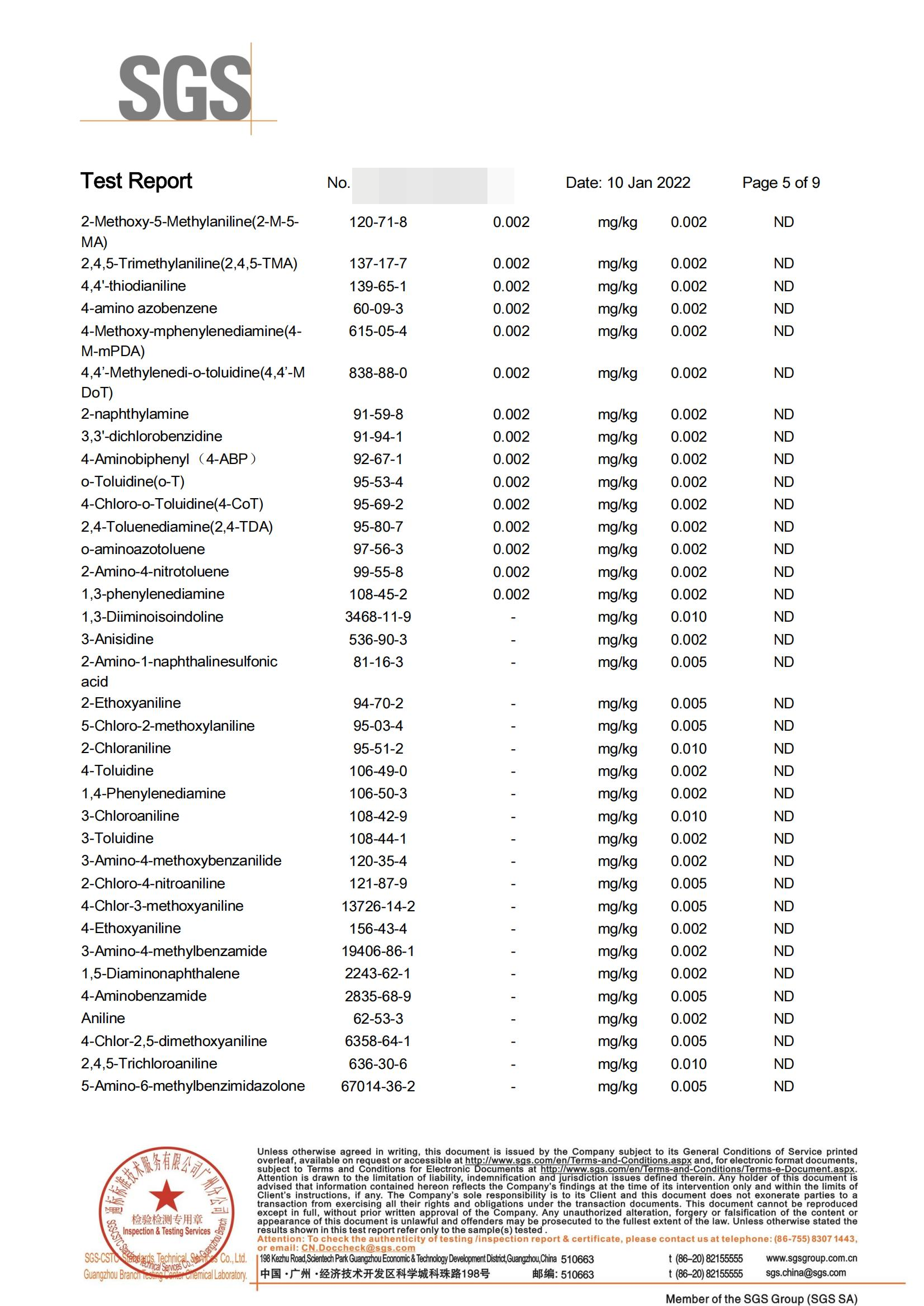
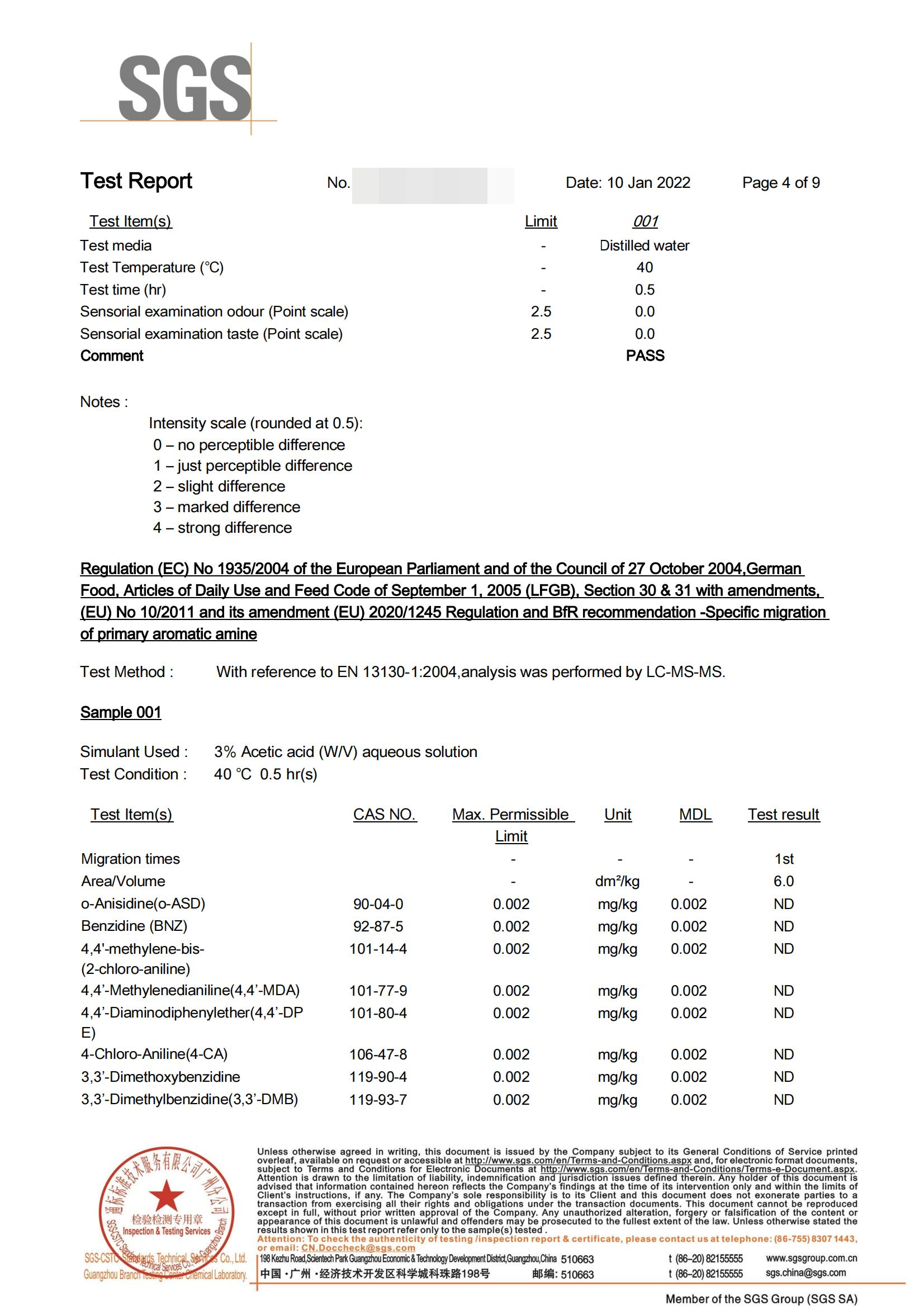
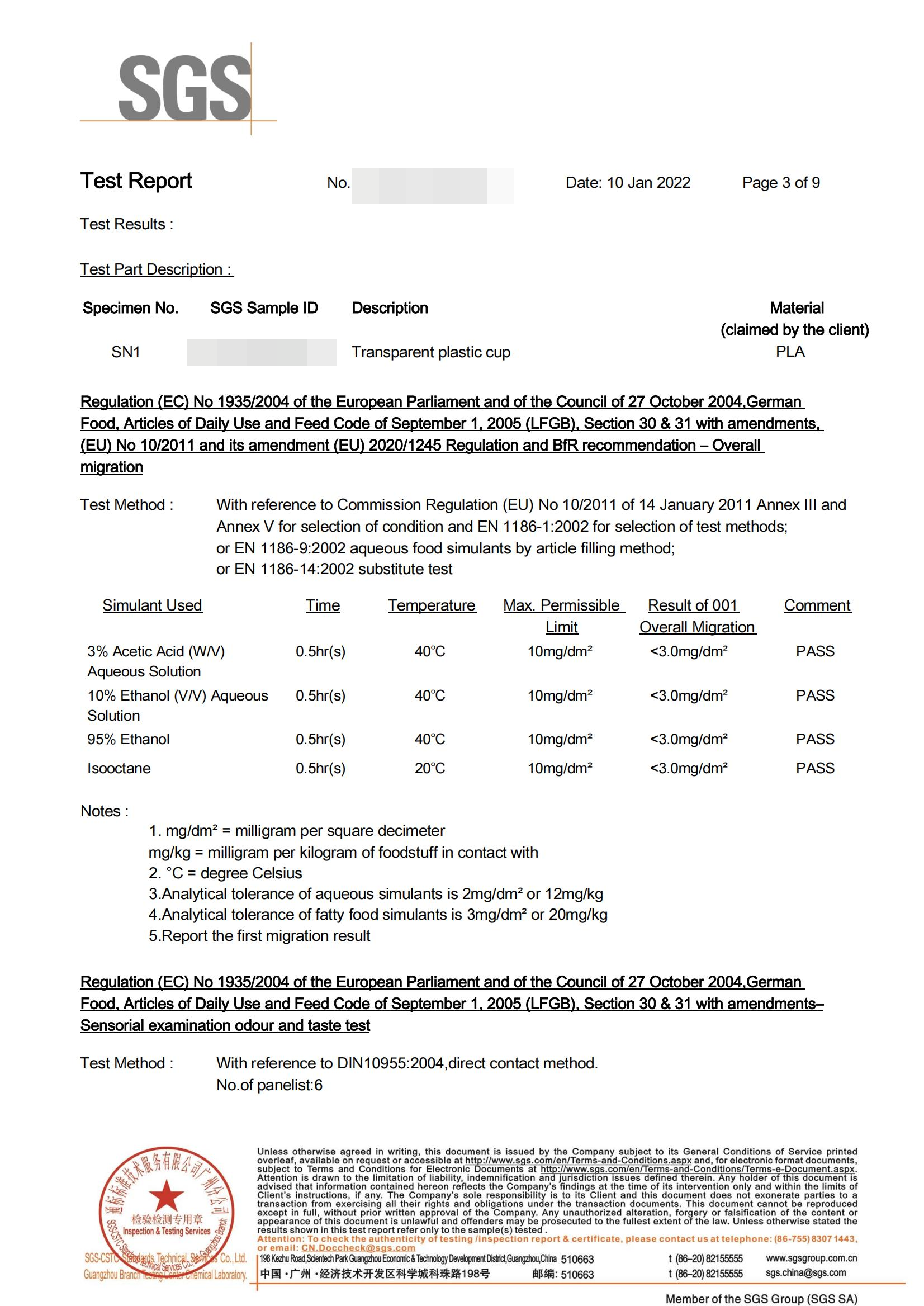
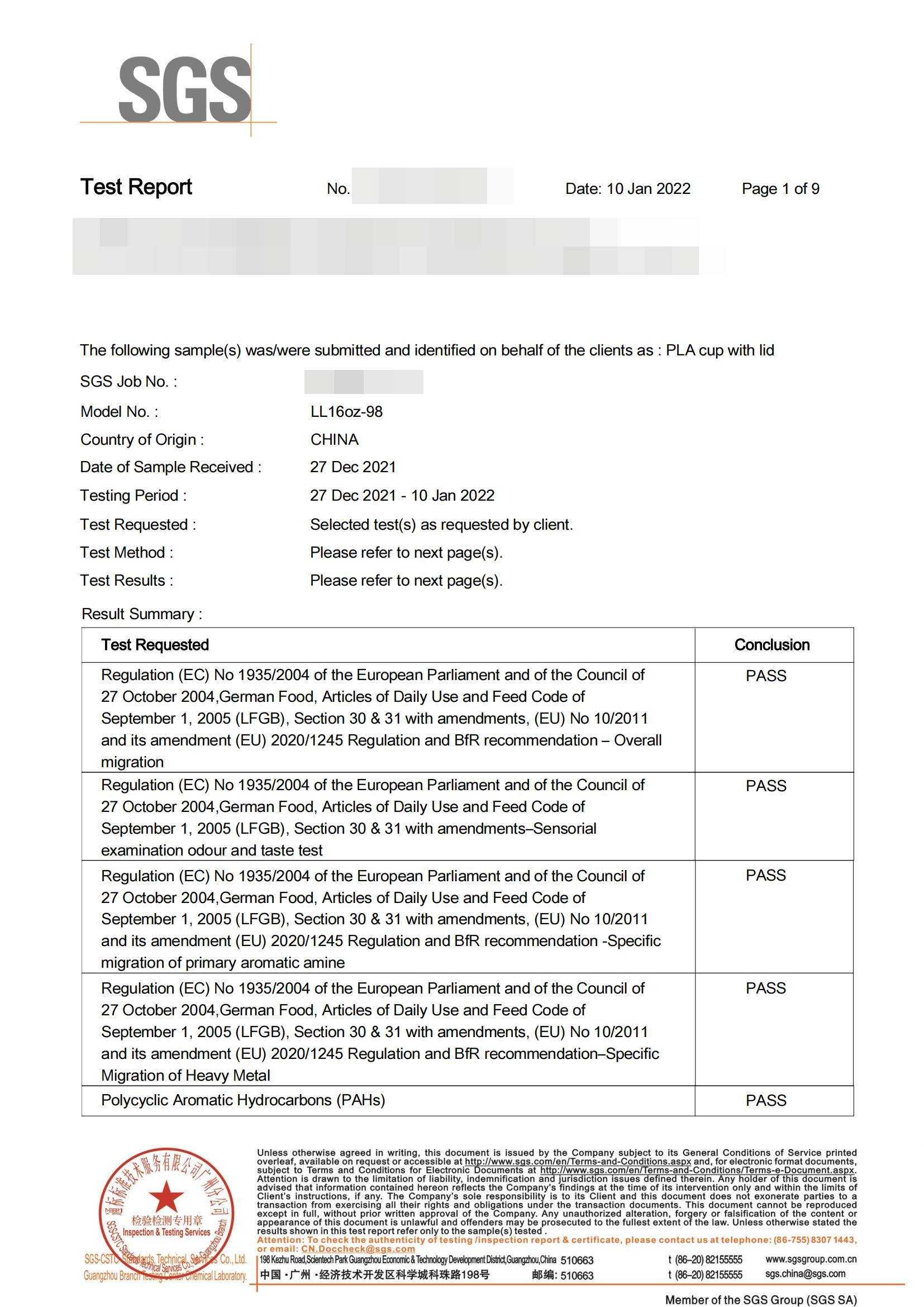
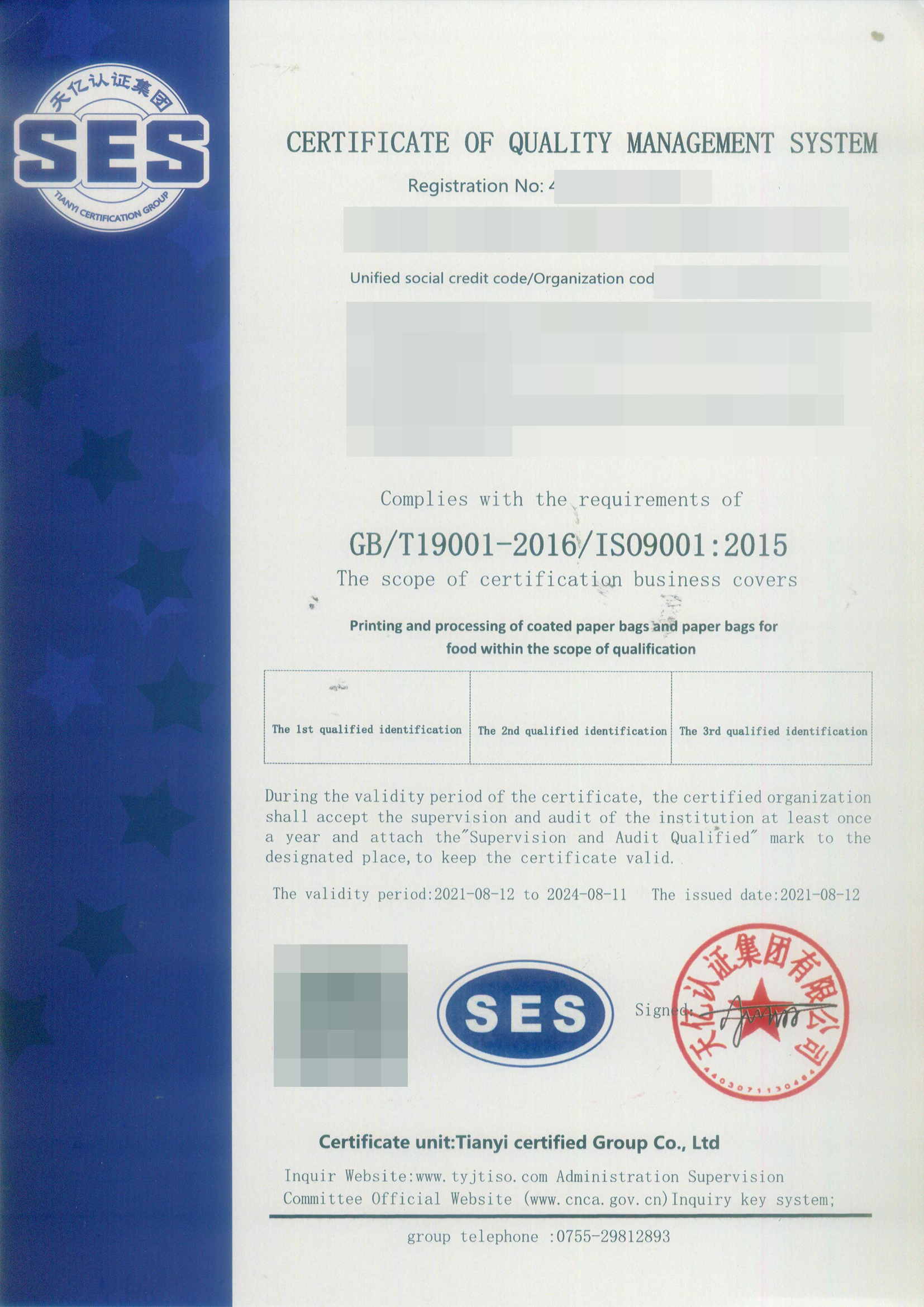
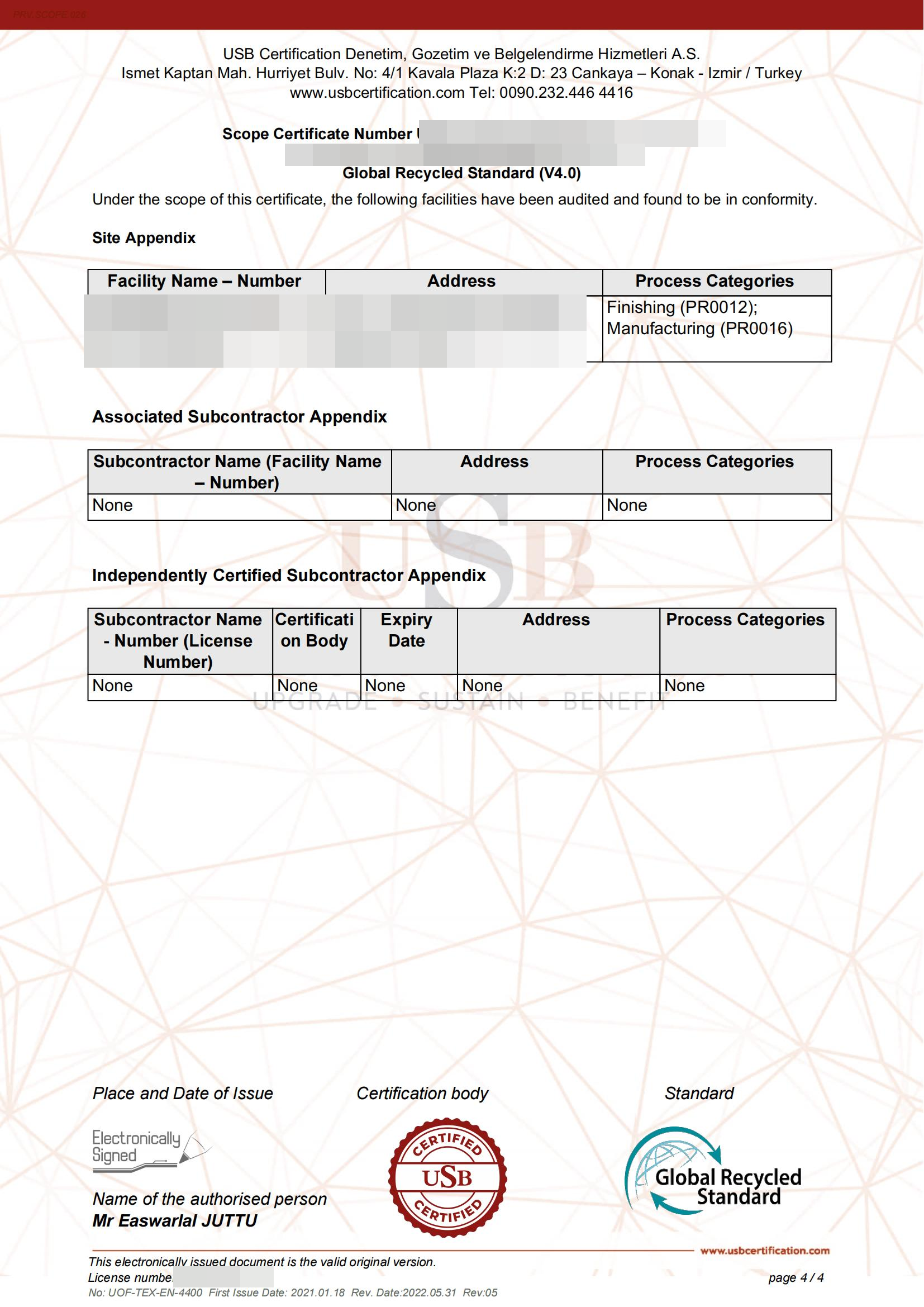
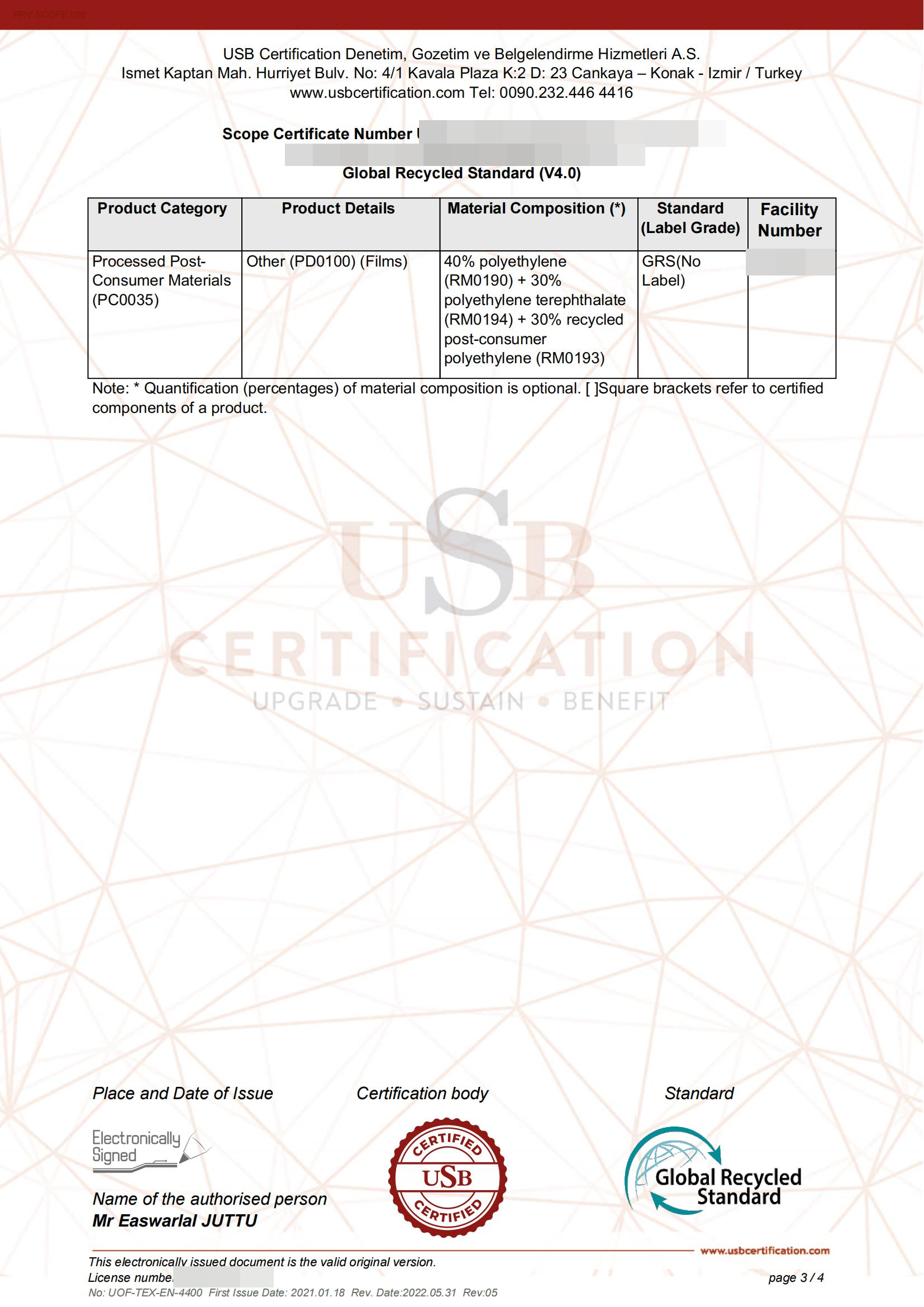
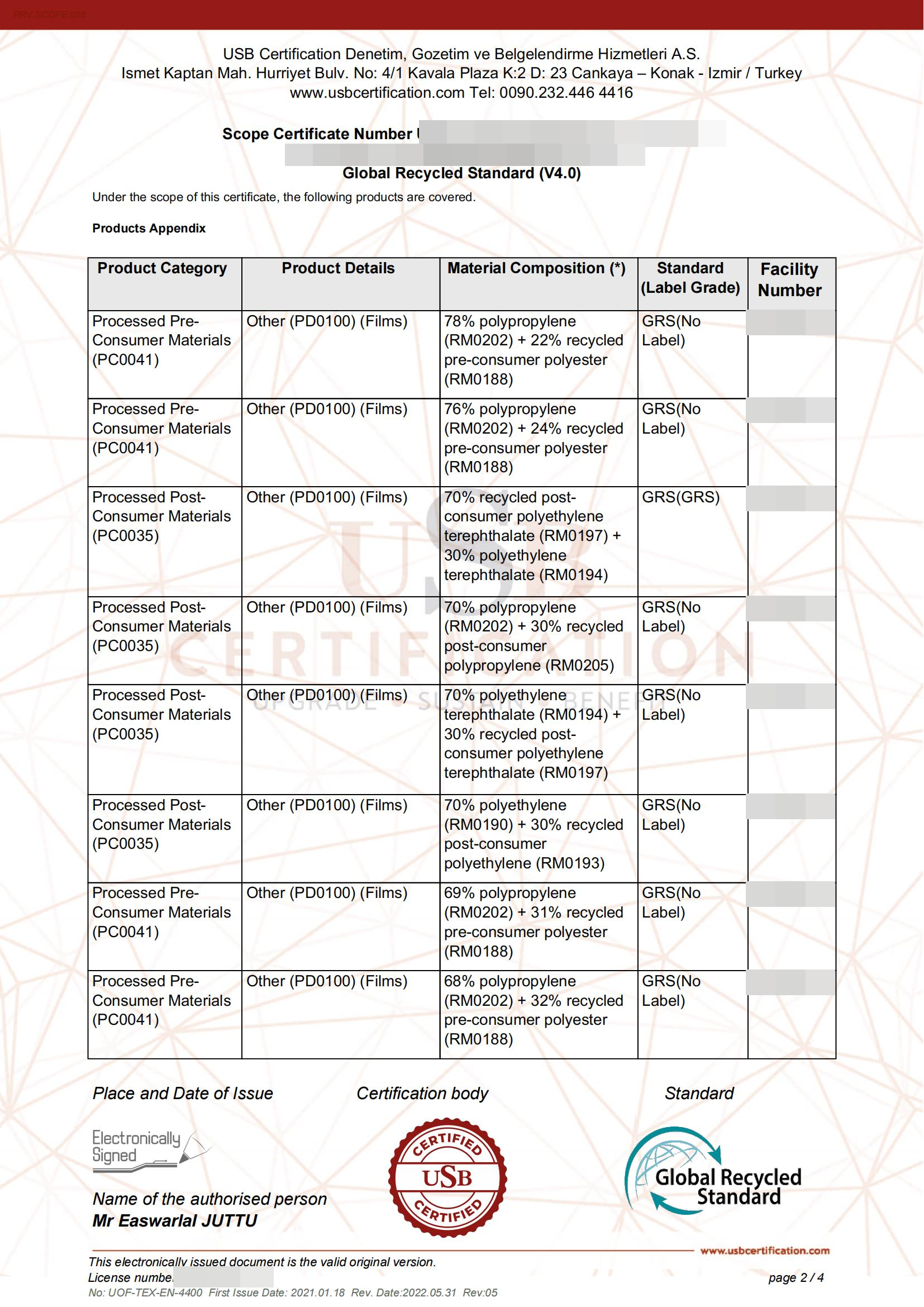
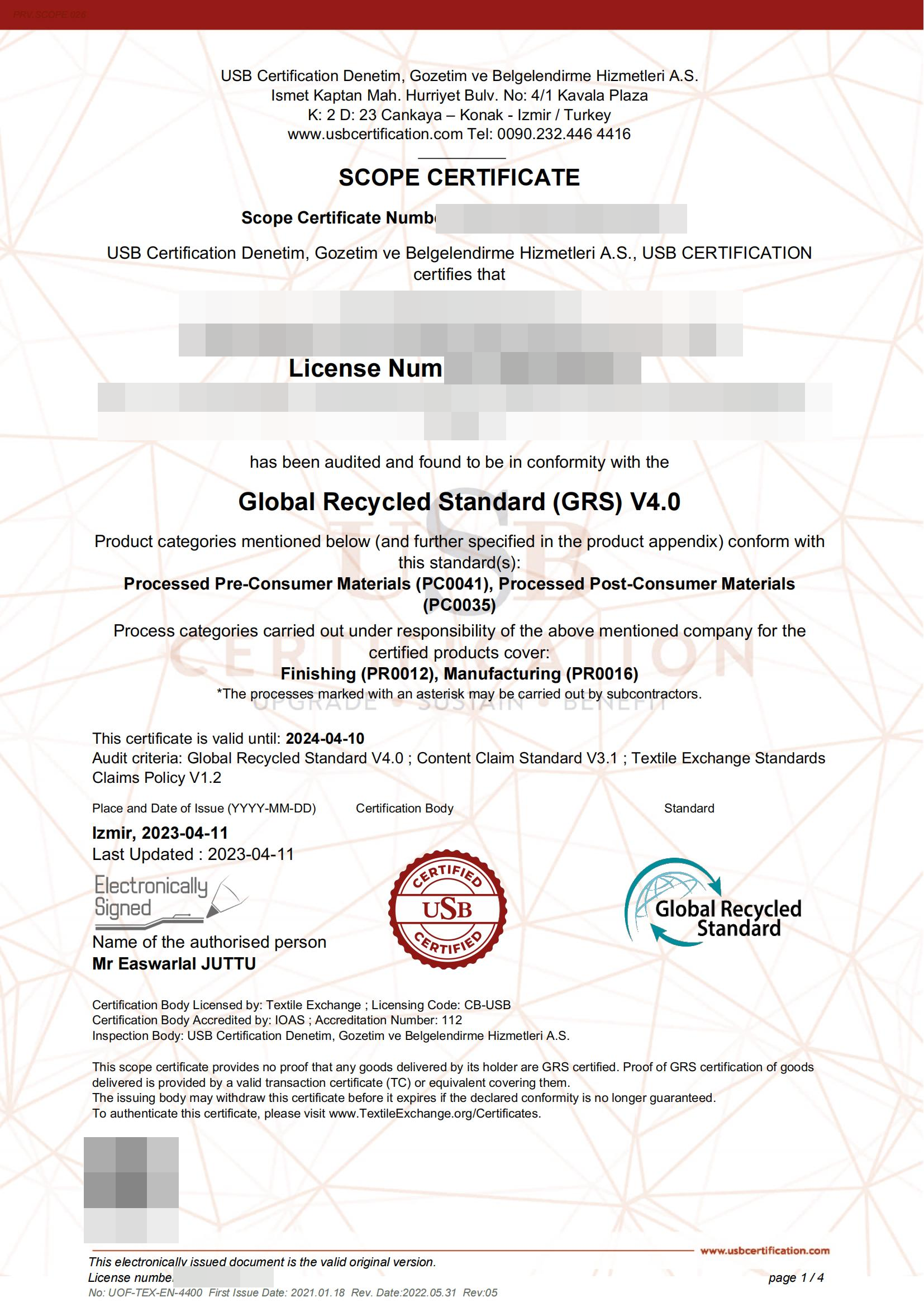
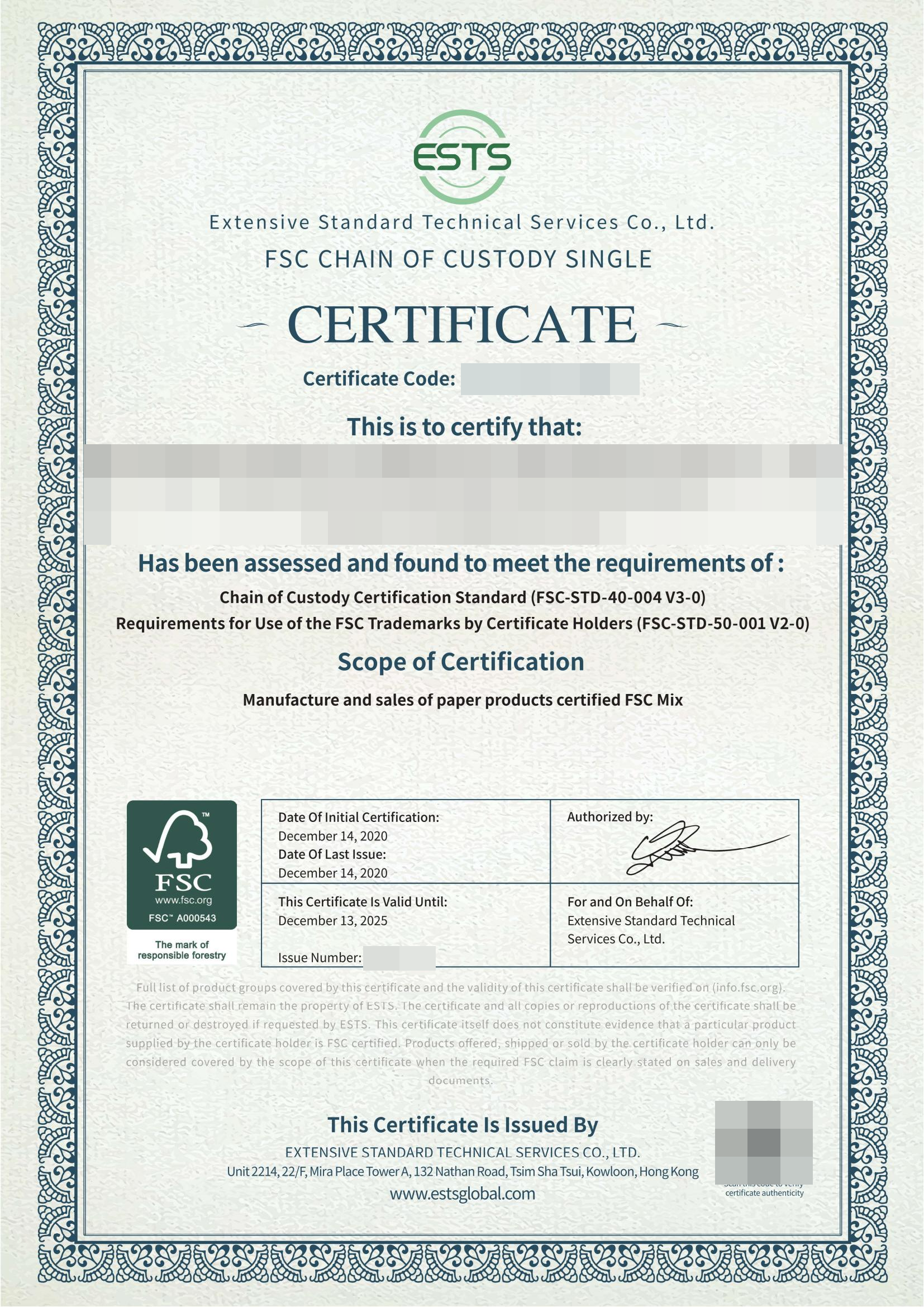
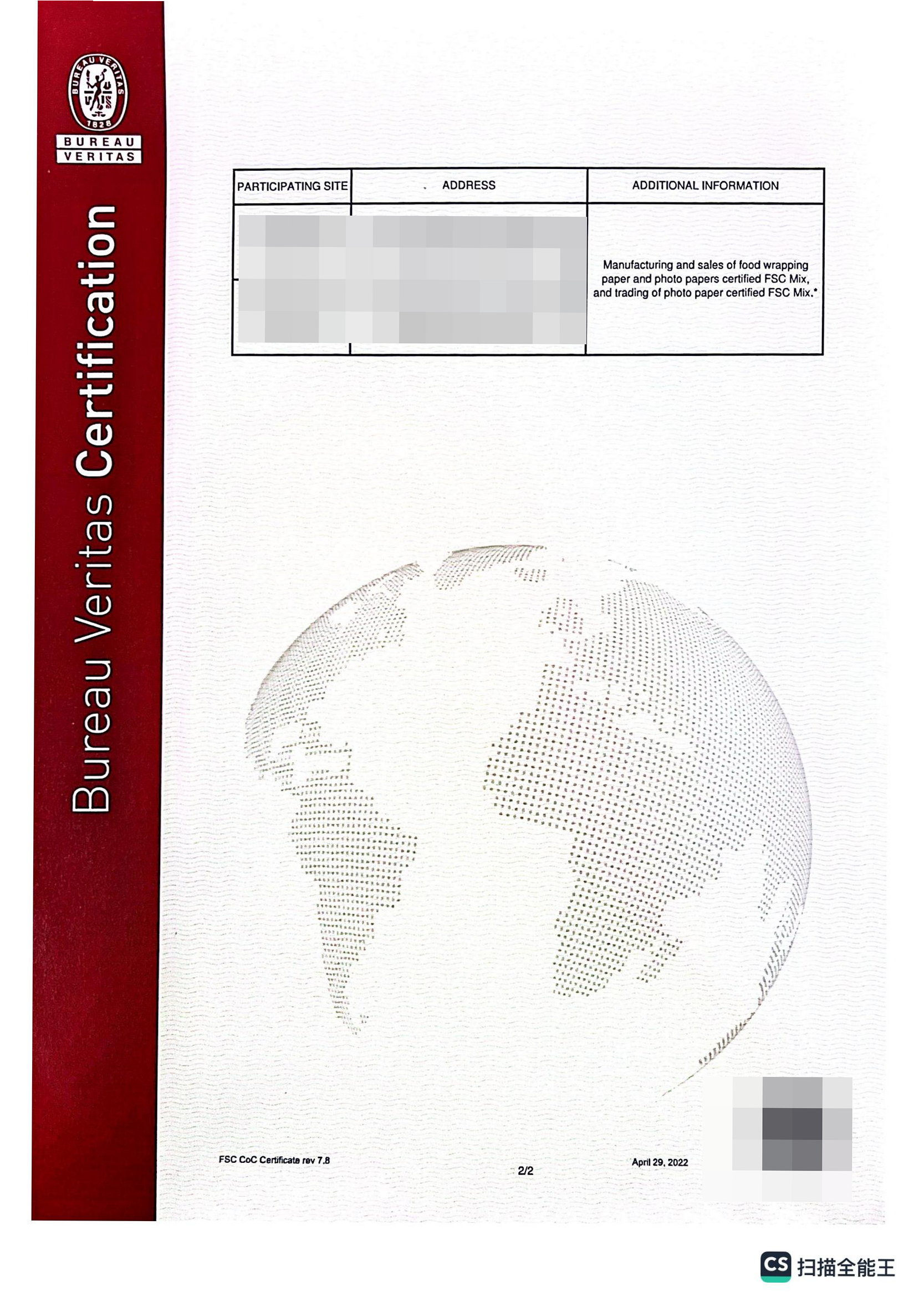
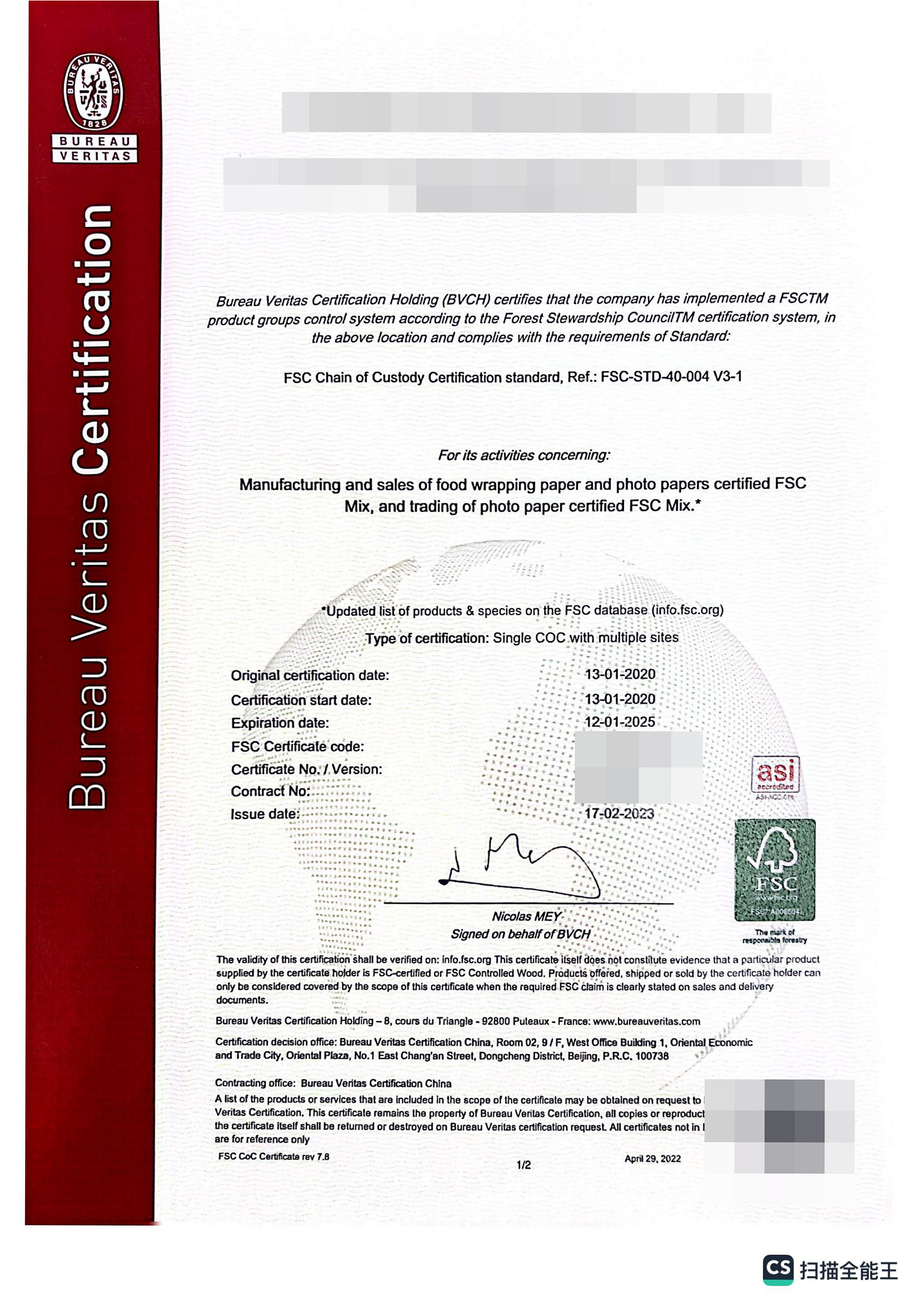
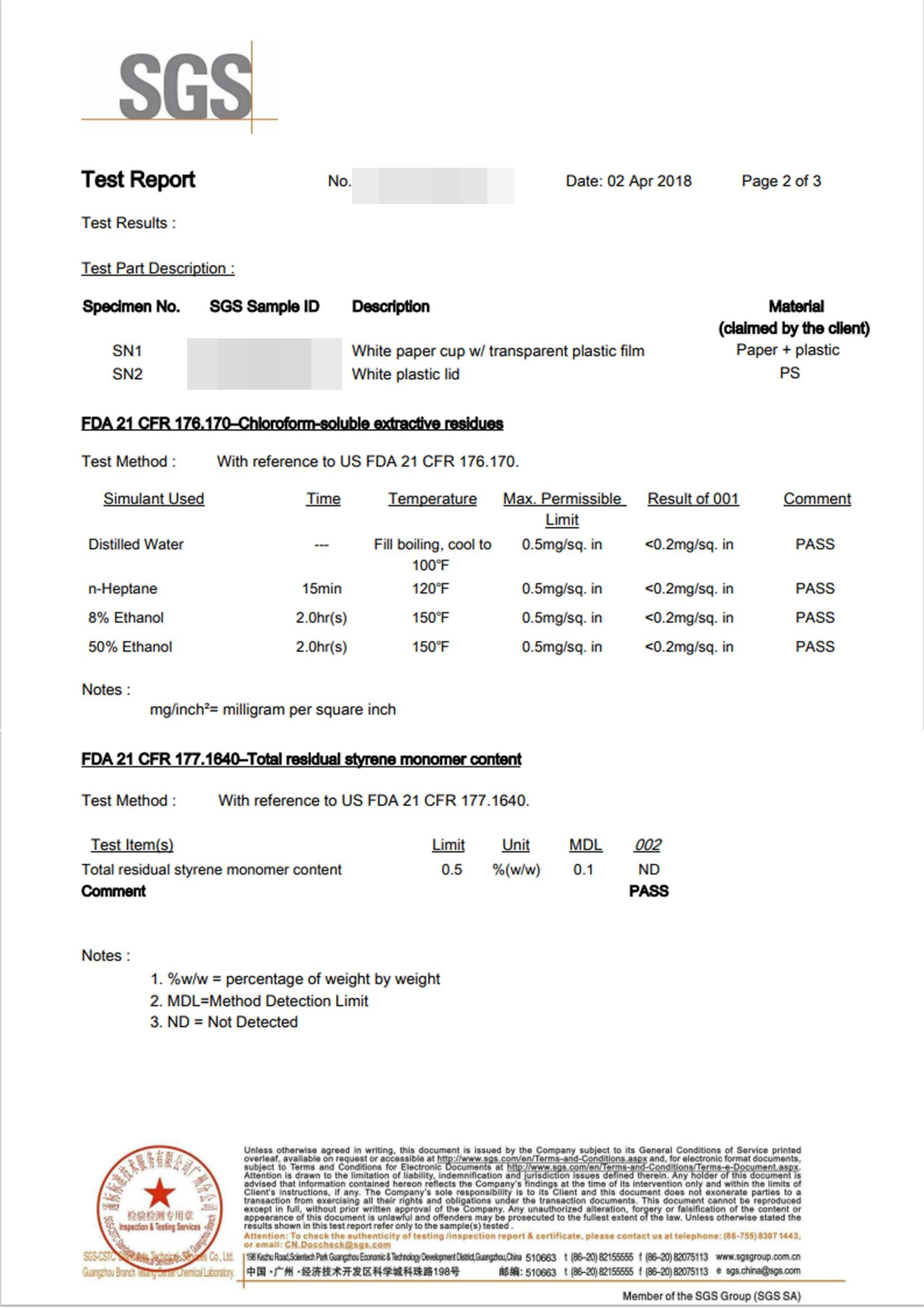
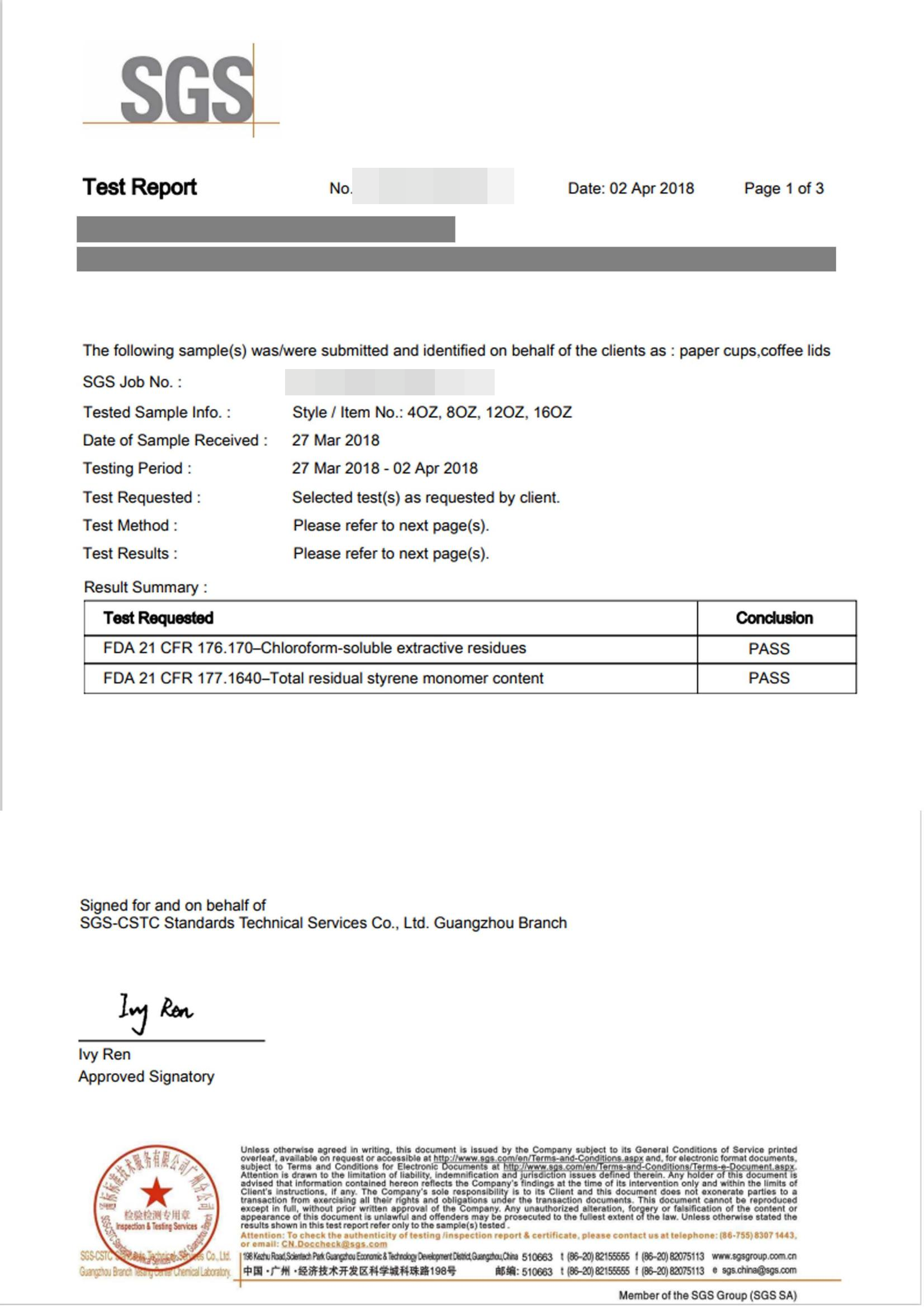
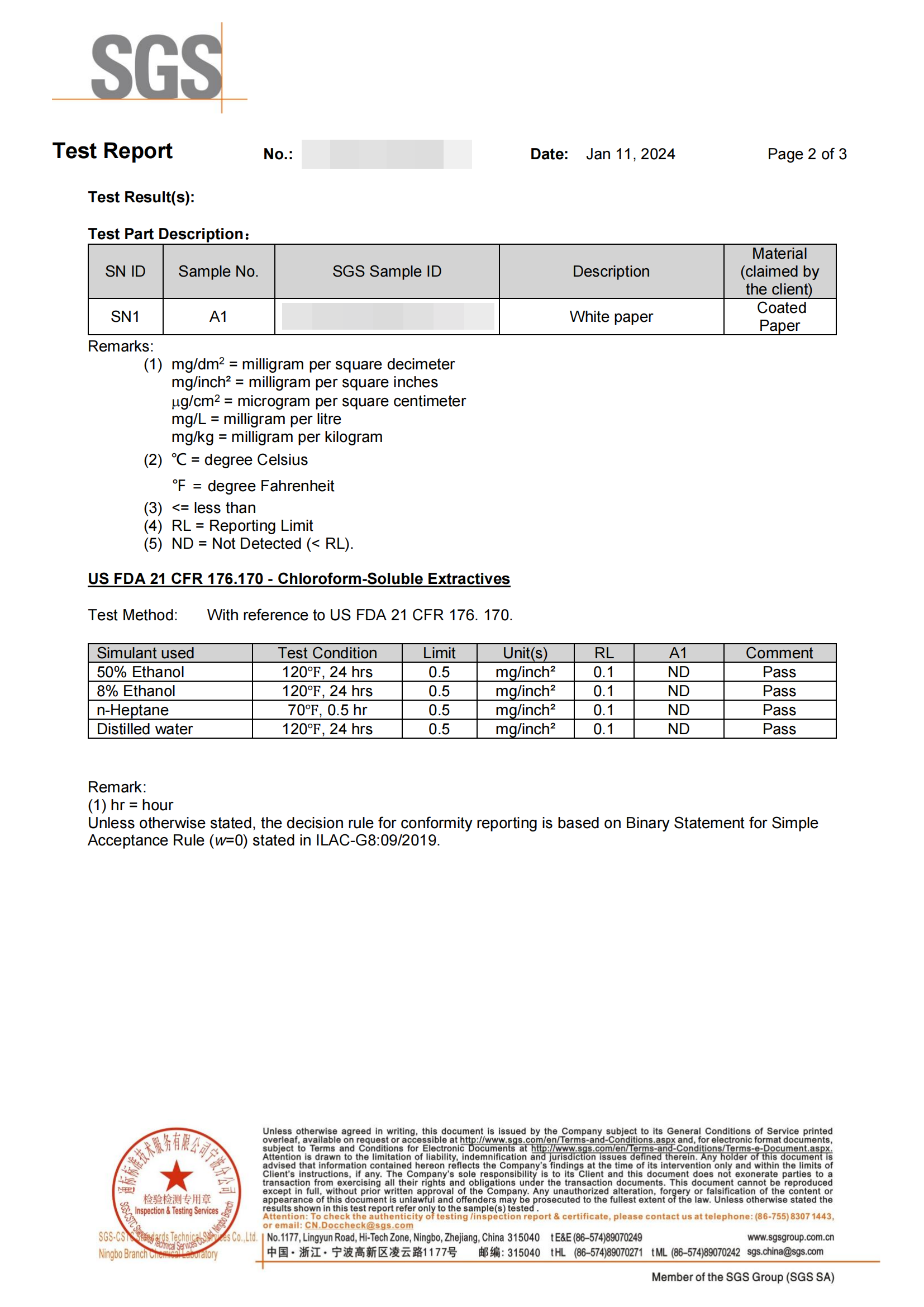
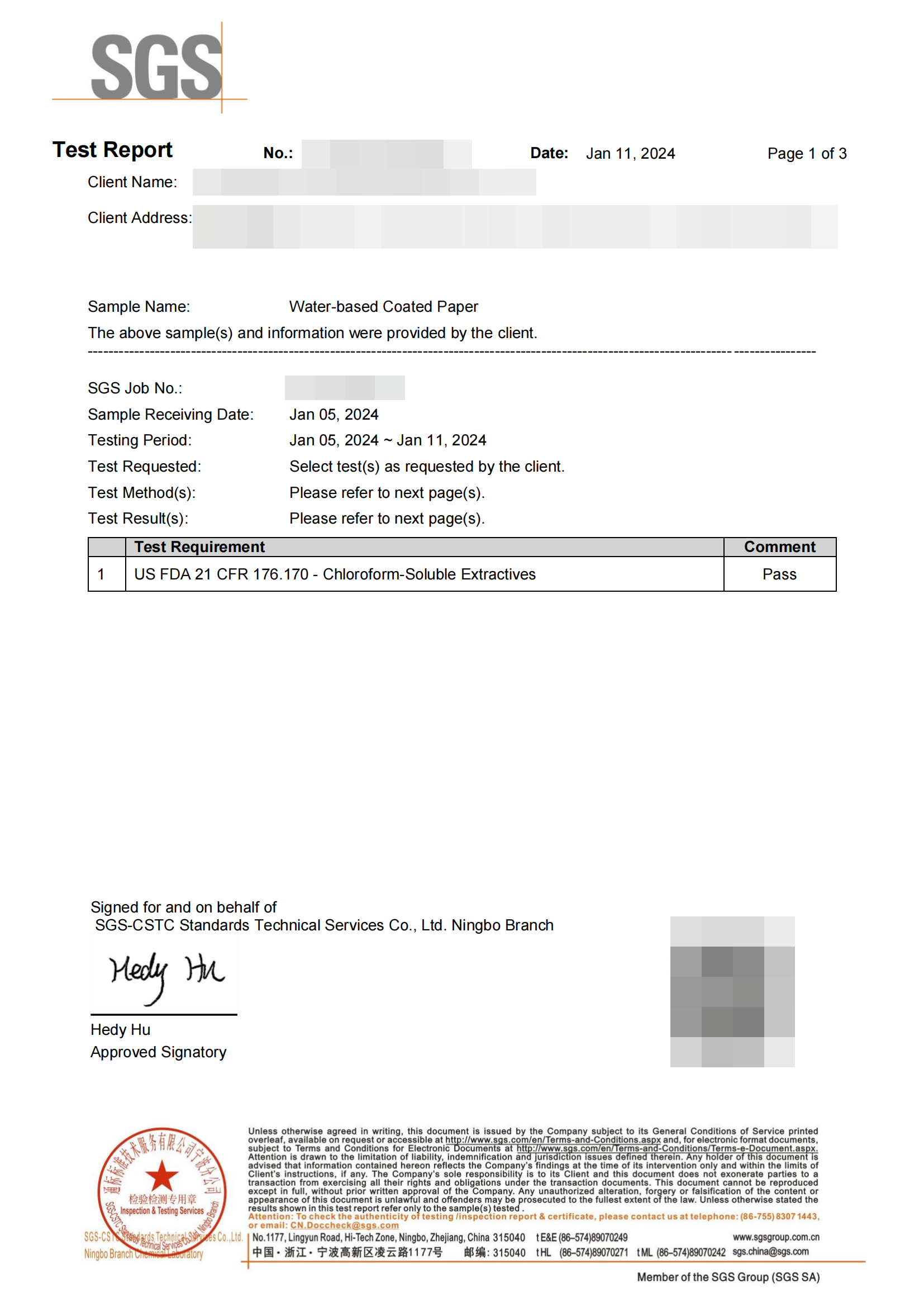
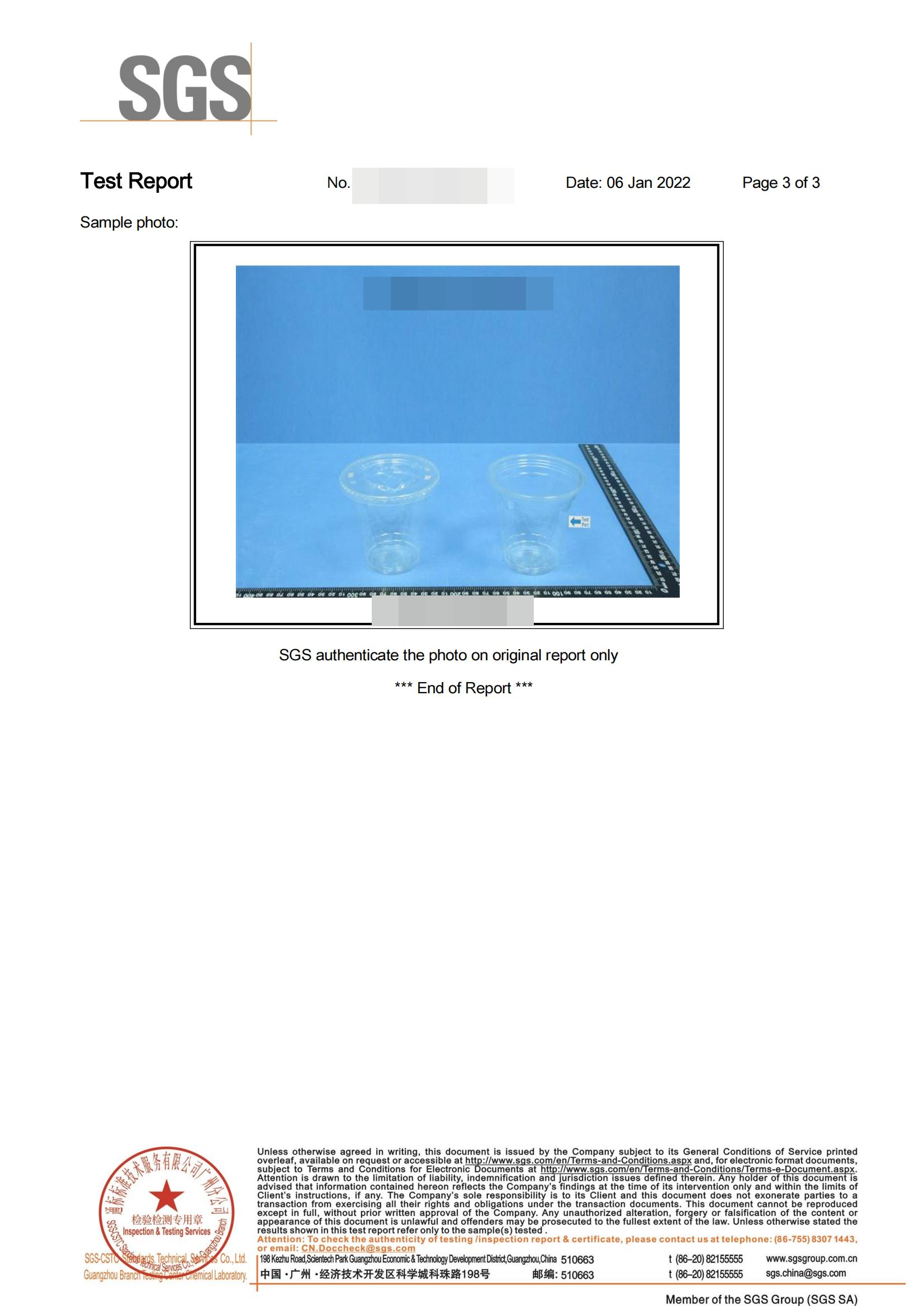
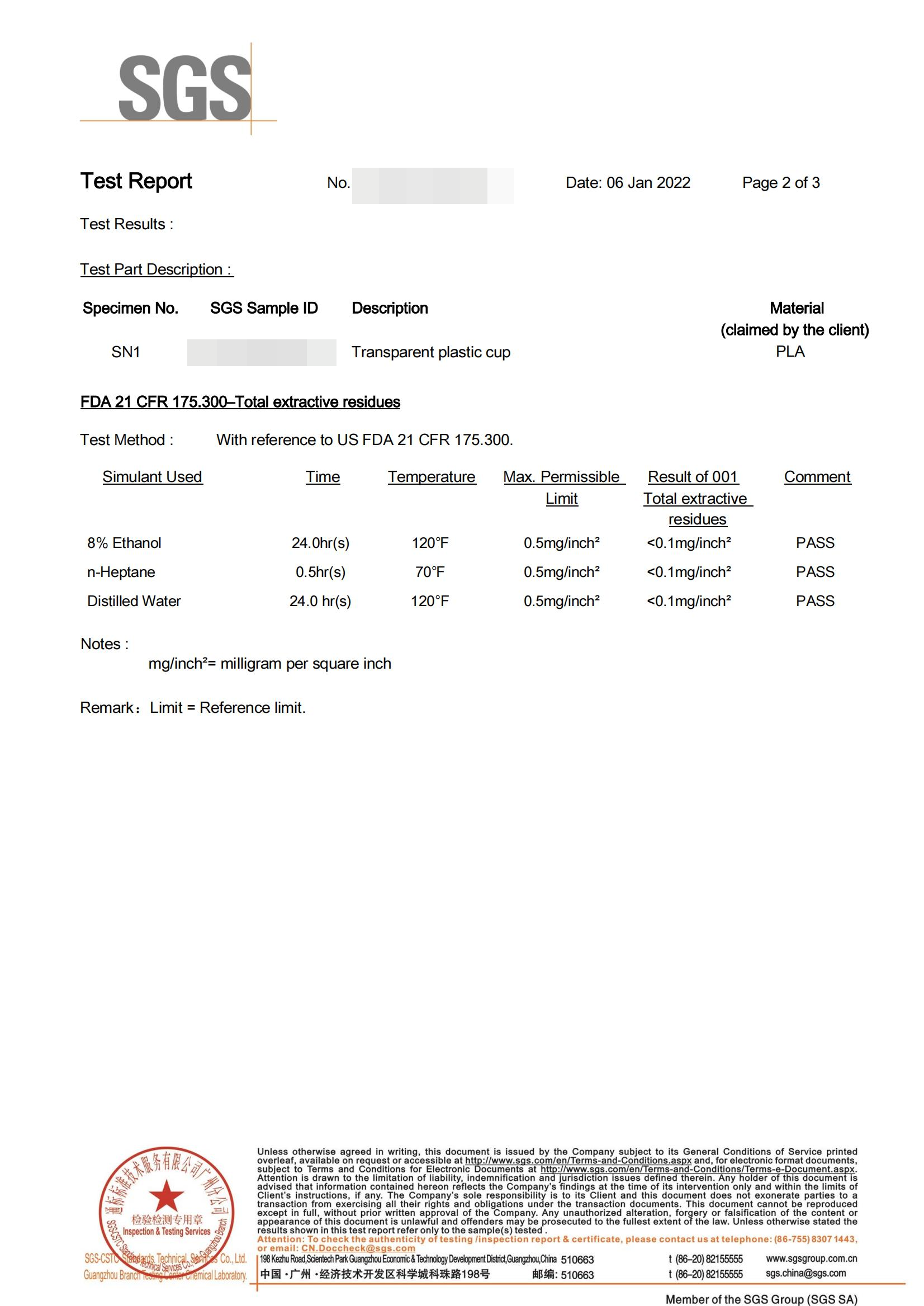
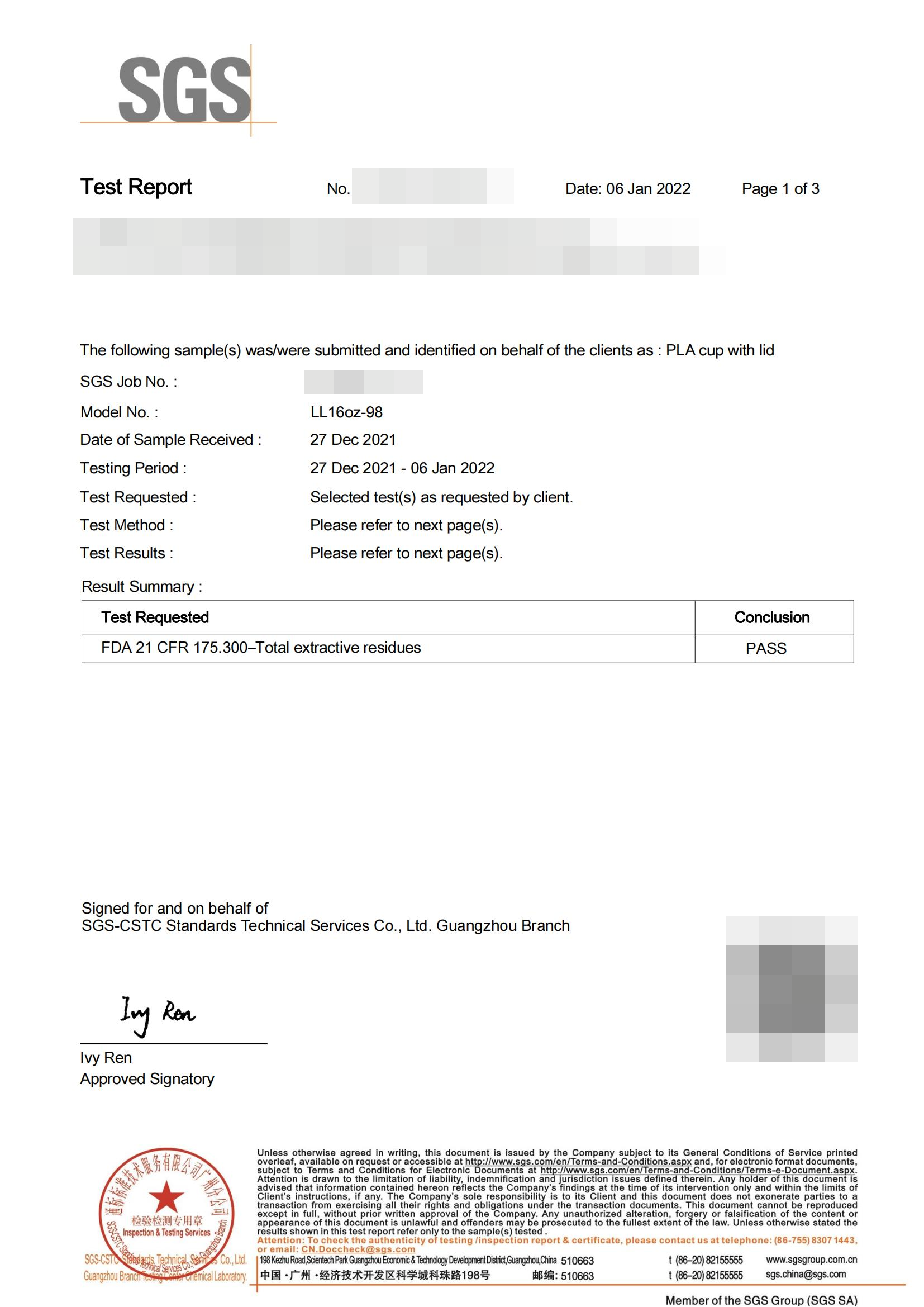
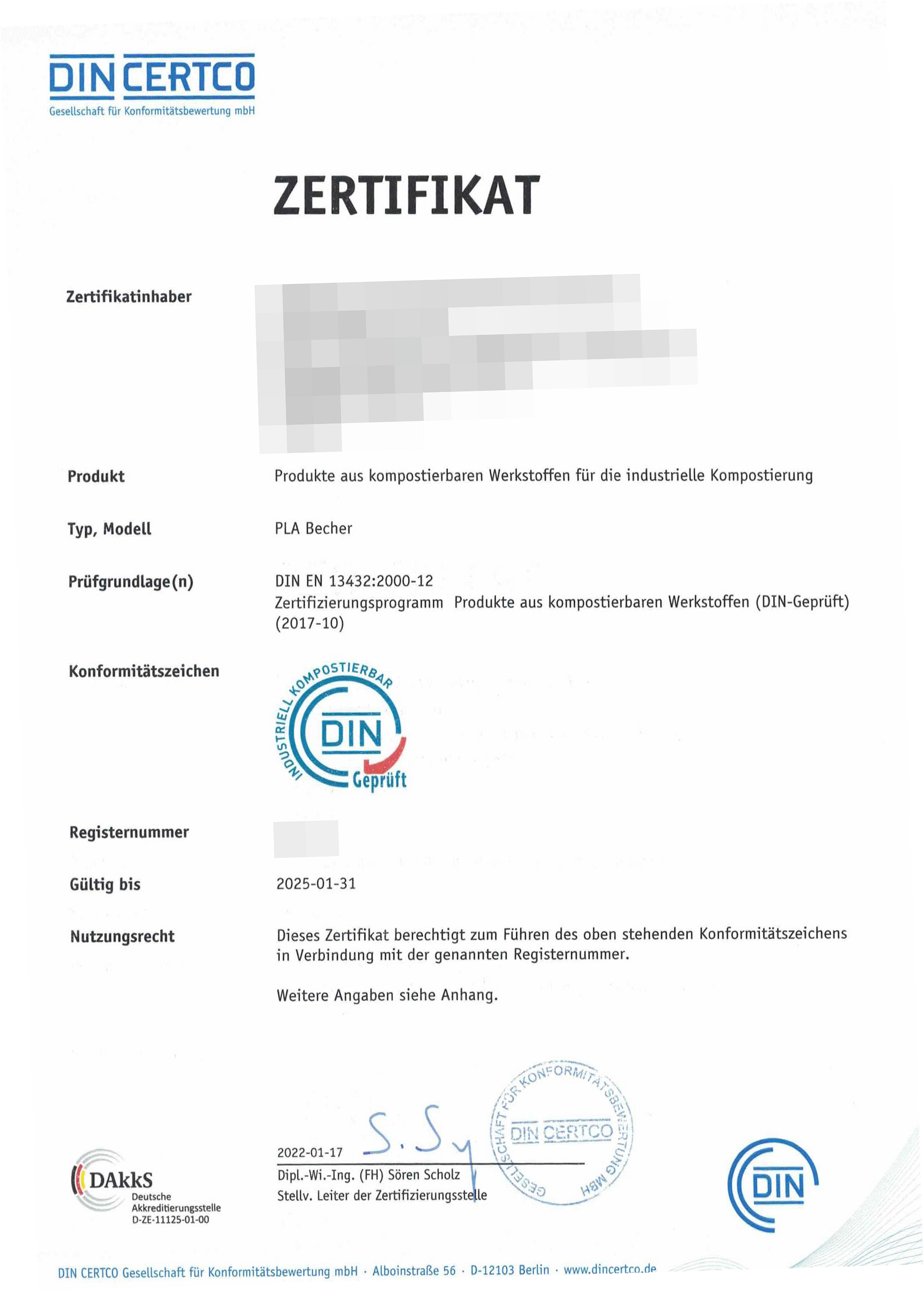
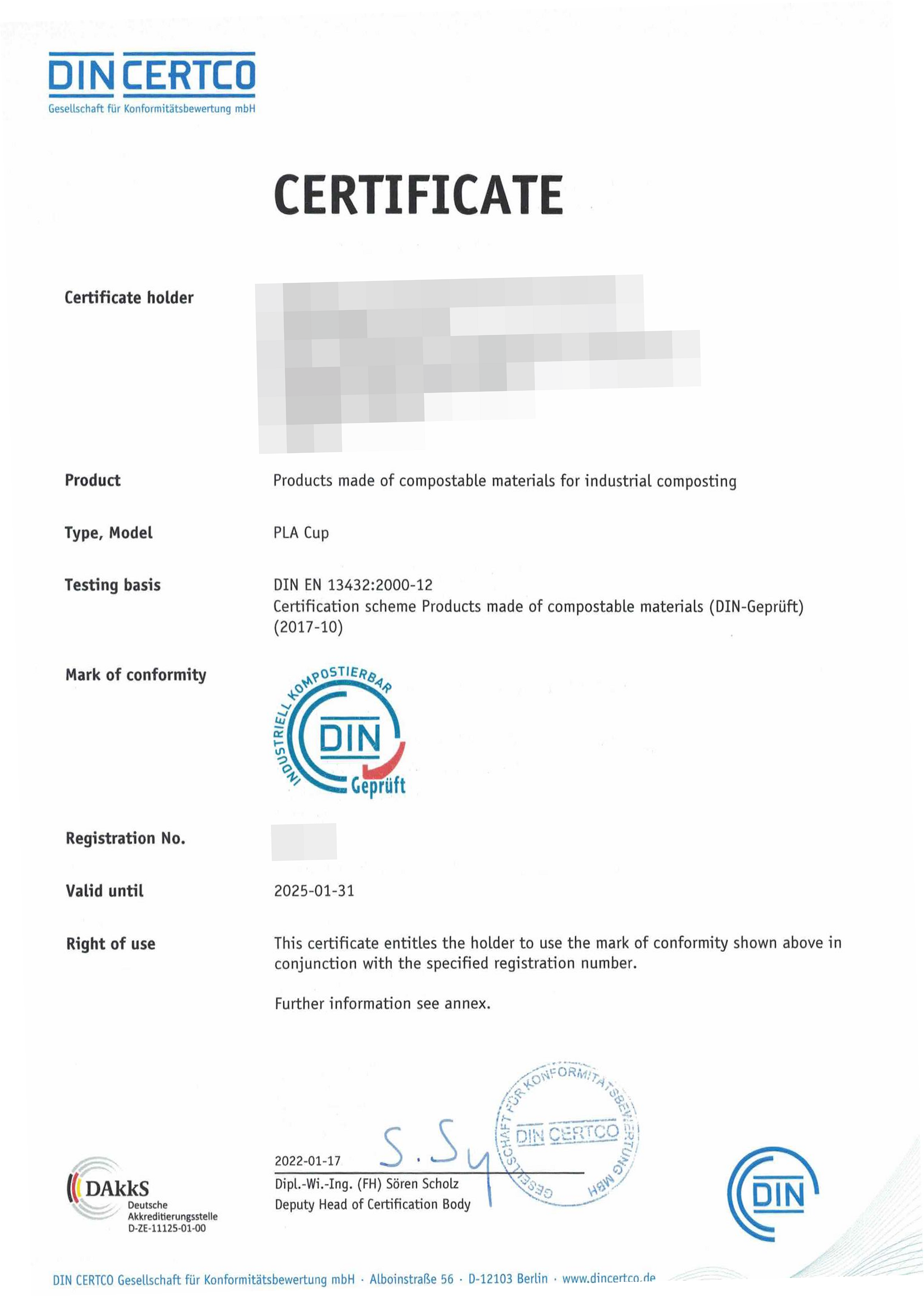
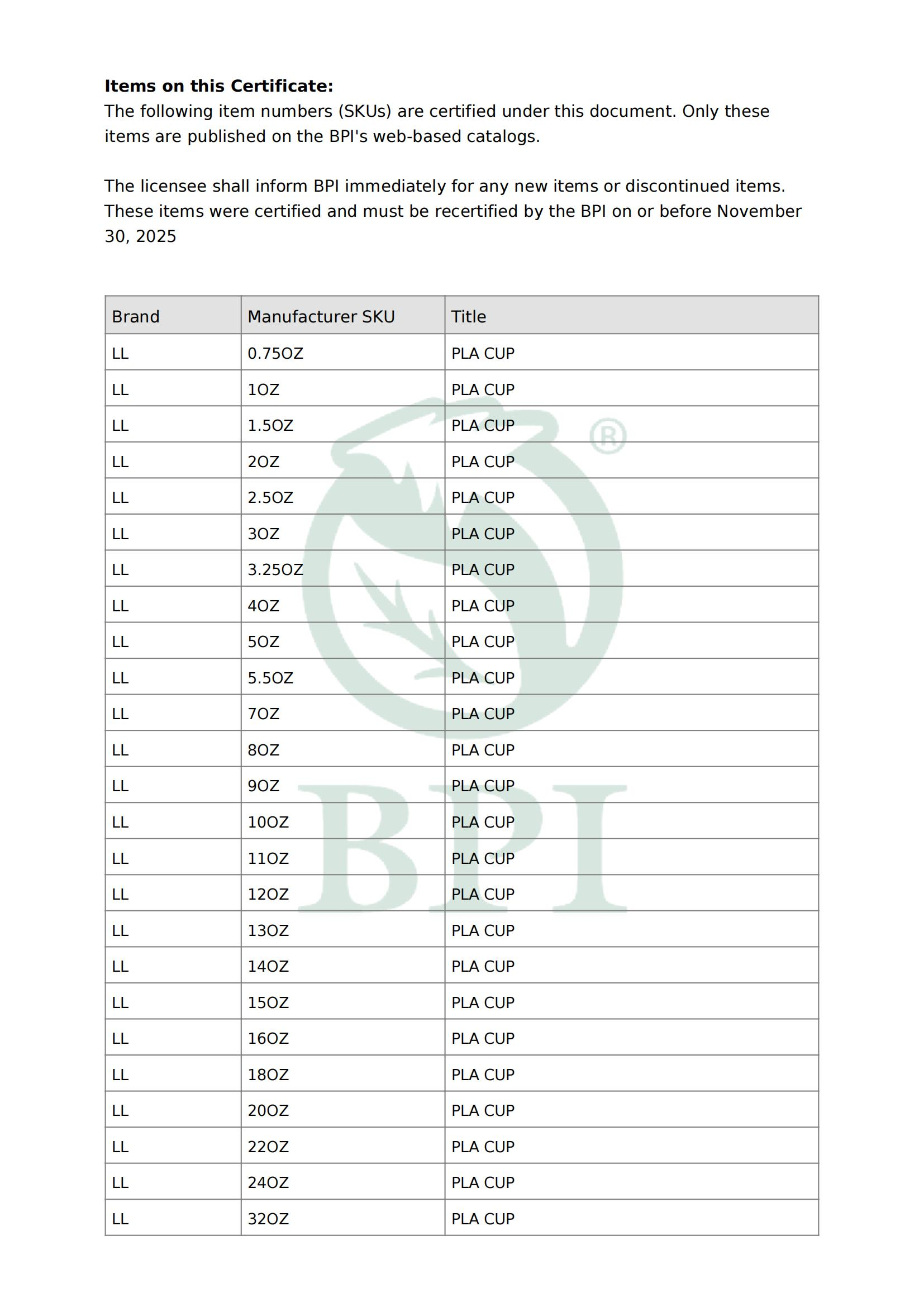
Review available certificates and test reports for your intended product and market. Document scope varies by material, product and issuing body; ask our team to confirm the relevant files for your order.


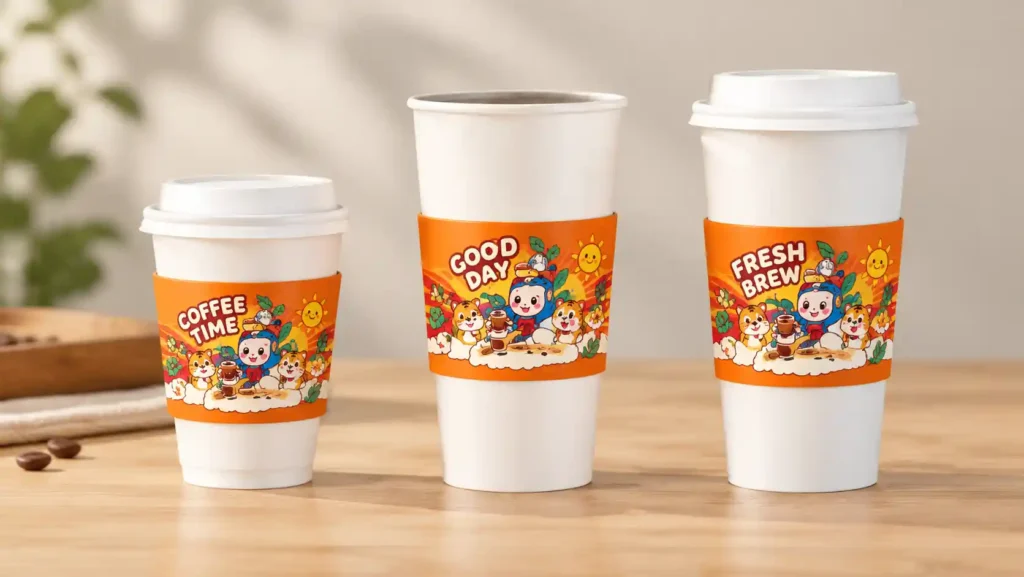
A successful coffee cup sleeve needs more than attractive artwork. Logo placement, print color, die-cut dimensions and finishing details must work together on the finished sleeve. We coordinate these specifications around the intended cup size, material and brand requirements.
A beverage brand needs the same logo identity across sleeves for 8 oz, 12 oz and 16 oz cups. Using one unchanged layout for every size can leave the logo looking too large on a smaller sleeve or too small on a larger one. We start with one approved master artwork, then adapt the layout to each sleeve dieline while keeping the logo aligned to a defined reference position and clear of the side seam and cut edges. CMYK color values and, where applicable, Pantone references are recorded with the approved artwork. A printed sample on the selected paper is used to check the logo’s color, scale and position before the design is released for production. Each size is then linked to its corresponding approved file, helping maintain a consistent brand appearance across multiple sleeve specifications and repeat orders.
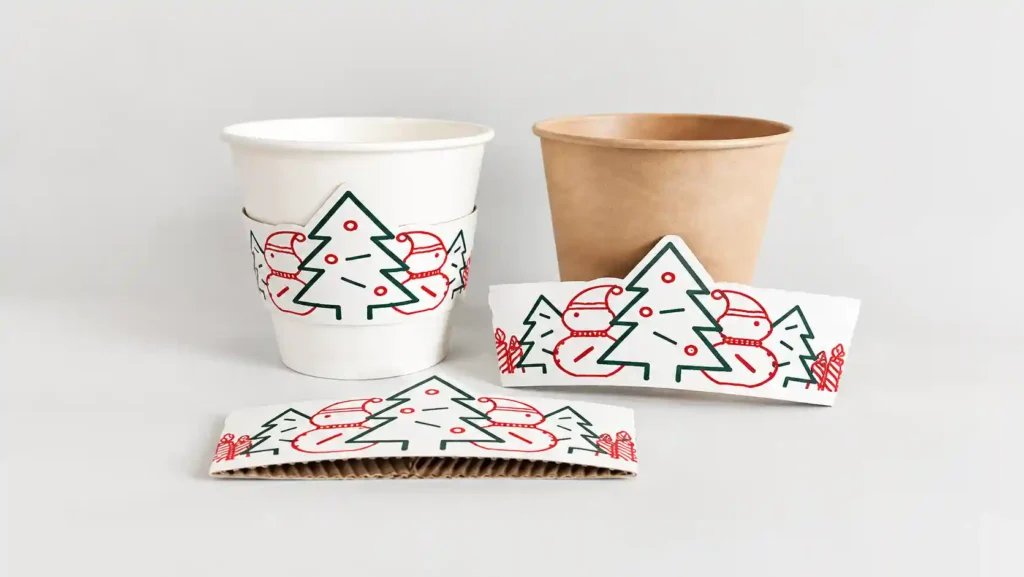
A coffee shop uses tapered paper cups and needs sleeves that stay in position instead of slipping down during service. Selecting a sleeve by cup capacity alone does not account for differences in top diameter, bottom diameter and cup profile. We use the actual cup dimensions to establish the sleeve’s upper width, lower width and height, then develop the die-cut shape around the intended coverage area. The design must also account for the joining area so the sleeve can form around the cup without an awkward overlap or an exposed gap. Where the selected construction uses an anti-slip or anti-drop feature, its structure must be matched to the sleeve design rather than added as a generic claim. A sample fit check helps identify whether the sleeve sits at the intended height and remains secure during normal handling before the dimensions are approved for bulk production.
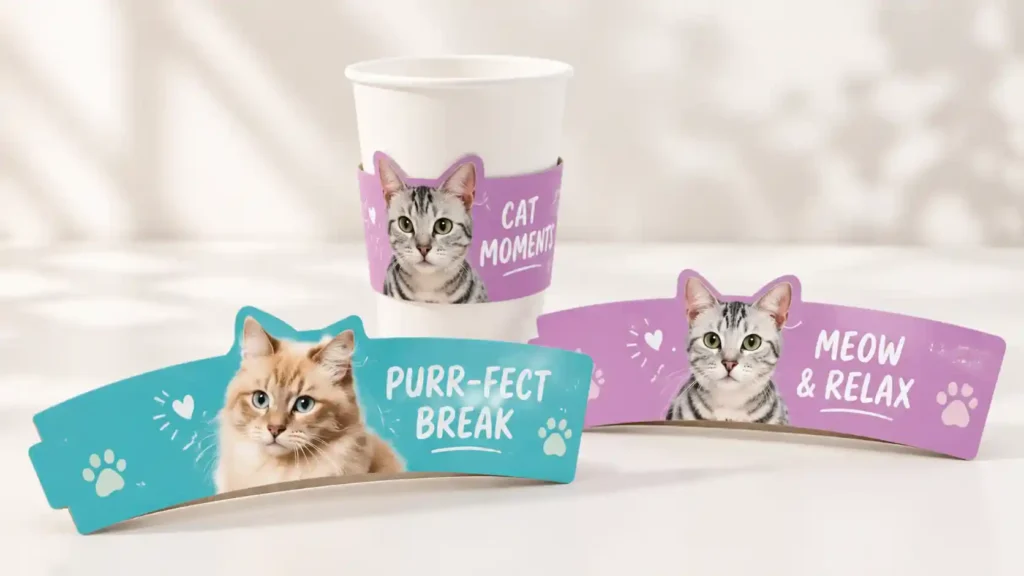
A premium coffee brand wants its logo to stand out from the surrounding CMYK graphics without making the entire sleeve visually crowded. We separate the main printed artwork from the areas requiring special treatment, such as spot UV, foil stamping or embossing. The logo size, position and finish area are planned on the same sleeve layout, with sufficient clearance from the die-cut edges and side seam. Before production, the selected paper and finishing combination should be checked on a physical sample because surface texture and paper color can affect the appearance of both the printed graphics and the special finish. The approved sample becomes the visual reference for the selected design, including the logo position and the relationship between printed and finished areas. This gives the production team a clearer specification to follow and helps prevent a premium logo treatment from appearing misplaced or inconsistent with the approved design.
Coordinate corrugated structure, cup dimensions, brand artwork and finishing in one custom coffee cup sleeve project.
Specification | Available Options |
Product Type | Paper Cup Sleeve / Corrugated Coffee Cup Sleeve |
Structure | E-Flute Corrugated / Other Confirmed Paper Structures |
Cup Size Reference | 8–24 oz cup profiles; custom dimensions subject to confirmation |
Paper Materials | Kraft Paper / White Card / Coated Paper / Specialty Paper |
White Card Weight | 250–350 gsm reference range |
Size Customization | Width / Height / Opening Profile |
Printing | CMYK Four-Color Printing |
Special Finishes | Spot UV / Foil Stamping / Embossing / Lamination / Die-Cutting |
Coating | Food-Contact Oil-Resistant Coating Options, Subject to Confirmation |
Artwork | Logo / Full Artwork / Multiple Design Versions |
Packing | Confirmed According to Sleeve Structure and Order Requirements |
Material or Finish | Characteristics and Uses |
E-Flute Corrugated Paper | Textured inner structure creates air spaces and supports grip |
White Card, 250–350 gsm | Smooth, firm paperboard for everyday café use |
Kraft Paper | Natural fiber texture for understated brand presentation |
Coated Paper | Glossy surface suited to vivid color presentation |
Specialty Paper | Textured or pearlescent surfaces for distinctive designs |
Lamination | Changes surface feel and appearance; assess disposal requirements |
Foil Stamping | Adds metallic accents to selected design areas |
Embossing | Creates raised details for tactile branding |
Spot UV | Adds localized gloss to selected graphics |
Custom Die-Cutting | Creates sleeve shapes tailored to the design |
Item | Details to Provide |
Cup Size | Capacity, top diameter, bottom diameter and cup height |
Sleeve Dimensions | Required sleeve height and preferred coverage area, if known |
Material | Kraft paper, white card, corrugated paper or preferred alternative |
Printing | Logo, artwork, CMYK or Pantone color requirements |
Special Finishes | Foil stamping, embossing, spot UV or other requested effects |
Order Quantity | Estimated quantity for each size or artwork version |
Artwork File | AI, PDF, EPS or another available design file |
Destination Market | Delivery country and destination details for shipping estimates |
Start with the cup’s top diameter, bottom diameter, height and taper. These measurements determine how the sleeve sits around the cup and how much of the body it covers. Two cups with the same ounce capacity can have different profiles, so capacity alone is not a reliable sizing method. If the cup is already in use, its technical drawing or a physical sample provides a better reference for checking sleeve placement and fit.
An E-flute corrugated sleeve contains a series of small air spaces within its structure. These spaces help slow heat transfer from the hot cup to the outer surface, while the additional paperboard creates a more substantial grip. The result depends on the sleeve construction, cup material, beverage temperature and fit.
The right material depends on the desired appearance, handling experience and printing requirements. Kraft paper offers a natural fiber texture, while white card provides a smooth, firm surface for everyday café use. Coated paper supports a glossy appearance and vivid color presentation, and specialty papers can add texture or pearlescent effects. Corrugated construction is worth considering when additional air space and a textured grip are priorities. Compare the material surface and finished sample rather than choosing by paper weight alone.
No. Grease resistance and water resistance describe different material properties. A paperboard surface may resist oils while still absorbing water, or it may have a moisture barrier without providing sufficient resistance to prolonged contact with hot grease. Performance also depends on food temperature, contact time and the condition of folds or cut edges. ProGreenPack can review available paperboard and barrier options according to your intended food packaging requirements.
Not necessarily. Paper weight influences the material’s body and stiffness, but insulation also depends on the structure and the air spaces within it. A corrugated sleeve and a flat paperboard sleeve of similar weight can perform differently because their constructions are not the same. Cup diameter, sleeve coverage and the temperature of the beverage also affect the experience. Evaluate paper weight alongside structure and actual handling performance instead of treating GSM as the only measure of insulation.
Start with the correct sleeve dieline and confirm the printable area, cut edges and seam position. Keep important logos, text and fine details away from areas that may be cut off or obscured when the sleeve is formed. CMYK artwork is suitable for full-color printing, while specialty finishes such as foil stamping, embossing and spot UV require additional design consideration. The selected paper also affects the appearance of printed colors, so review the artwork against the intended material and finish.
CMYK printing produces multicolor graphics by combining four process colors, making it suitable for photographs, illustrations and detailed brand artwork. Special finishing changes the appearance or feel of selected areas rather than replacing the basic printing process. Foil stamping adds metallic accents, embossing creates raised details, spot UV adds localized gloss, and lamination changes the surface finish. These options can be combined where the material and construction permit, but the layout and production requirements should be reviewed together before finalizing the design.
Yes, but a separate sleeve may not be necessary. Double-wall cups already include an additional outer layer for insulation, so adding another sleeve can increase material use and handling steps. A sleeve may still be useful when a different printed design, textured grip or promotional surface is required. The decision depends on the cup’s existing insulation, intended beverage temperature, desired appearance and serving process.
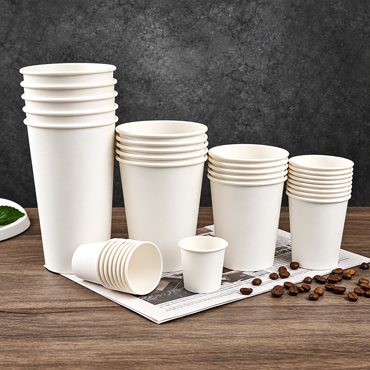
Lightweight paper cups for everyday takeaway coffee, ideal for pairing with custom coffee cup sleeves for added grip and branding space.
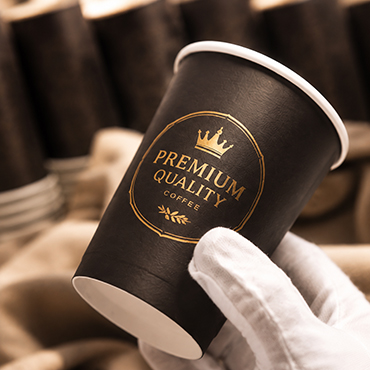
Personalize your cups with full-color artwork, Pantone color matching and custom designs for consistent brand presentation across your takeaway packaging.
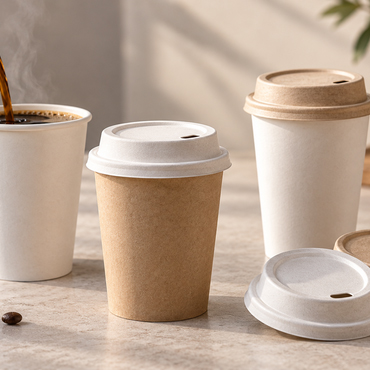
Choose compatible paper cup lids for hot coffee and takeaway beverages, with practical drinking openings and options for different cup rim specifications.
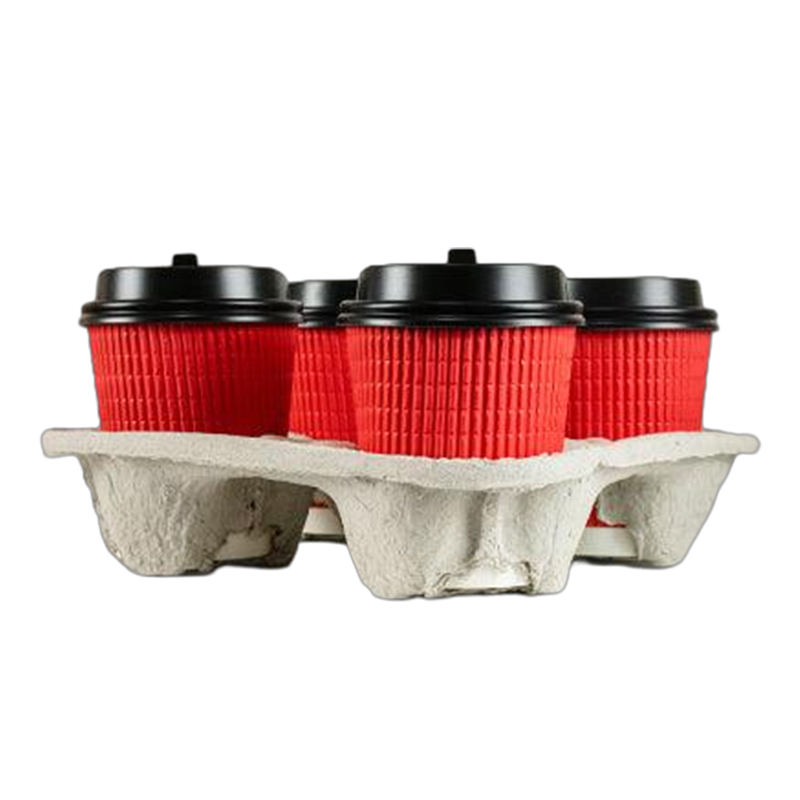
Help customers carry multiple takeaway drinks with corrugated paper cup holders available in one-, two- and four-cup configurations.
 Scan with WeChat to contact us